Shopping from Instagram? Tap the ••• menu and choose “Open in Browser” for the smoothest checkout.

Fairways and Paws
Dog gear · Outdoor gear · Golf gear

Field-tested gear, without the sales pitch.

Practical reviews from daily walks, outdoor weekends, and years around the game. What works, what does not, and what the real cost looks like.

A Springer Spaniel sprinting out of turquoise surf on a sandy beach, ears flying
Beach days, trails, and fairways — gear gets tested where it is actually used.

Reviews

Products already in the rotation. Every review includes the upside, the drawback, and the practical cost.

01
Dog chews · Cost breakdownCanadian company

Bully Bunches Large Bully Stick Rings

Zibi would happily finish one a night. The chew passes the dog test; the monthly math needs managing.

Bully Bunches large bully stick rings
02
Walk essentialCanadian company

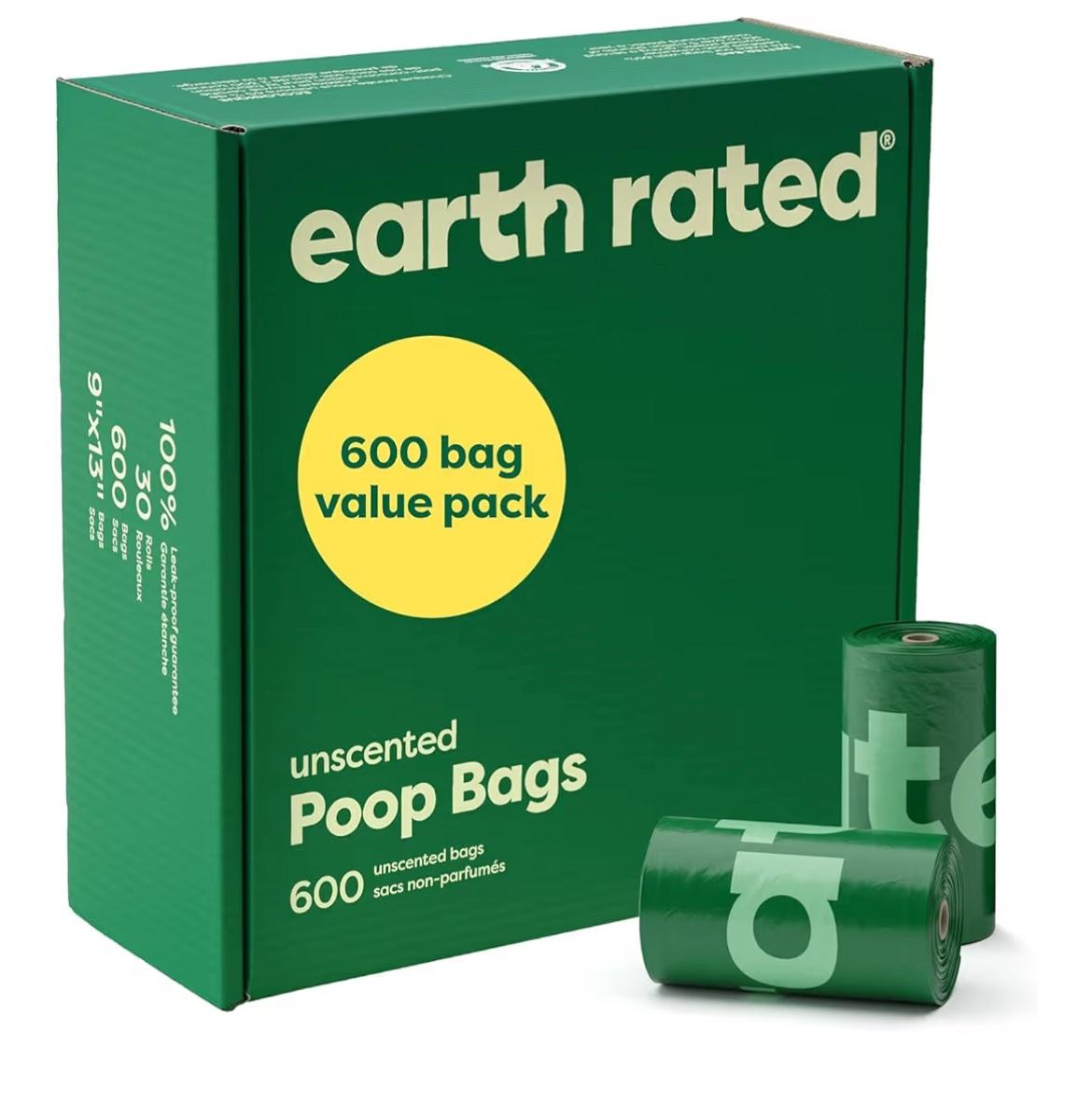
Earth Rated Unscented Poop Bags

A bag has one job: hold up. These are the current pick because they do.

Earth Rated unscented dog poop bags, 600-count value pack box
03
CleanupCanadian company

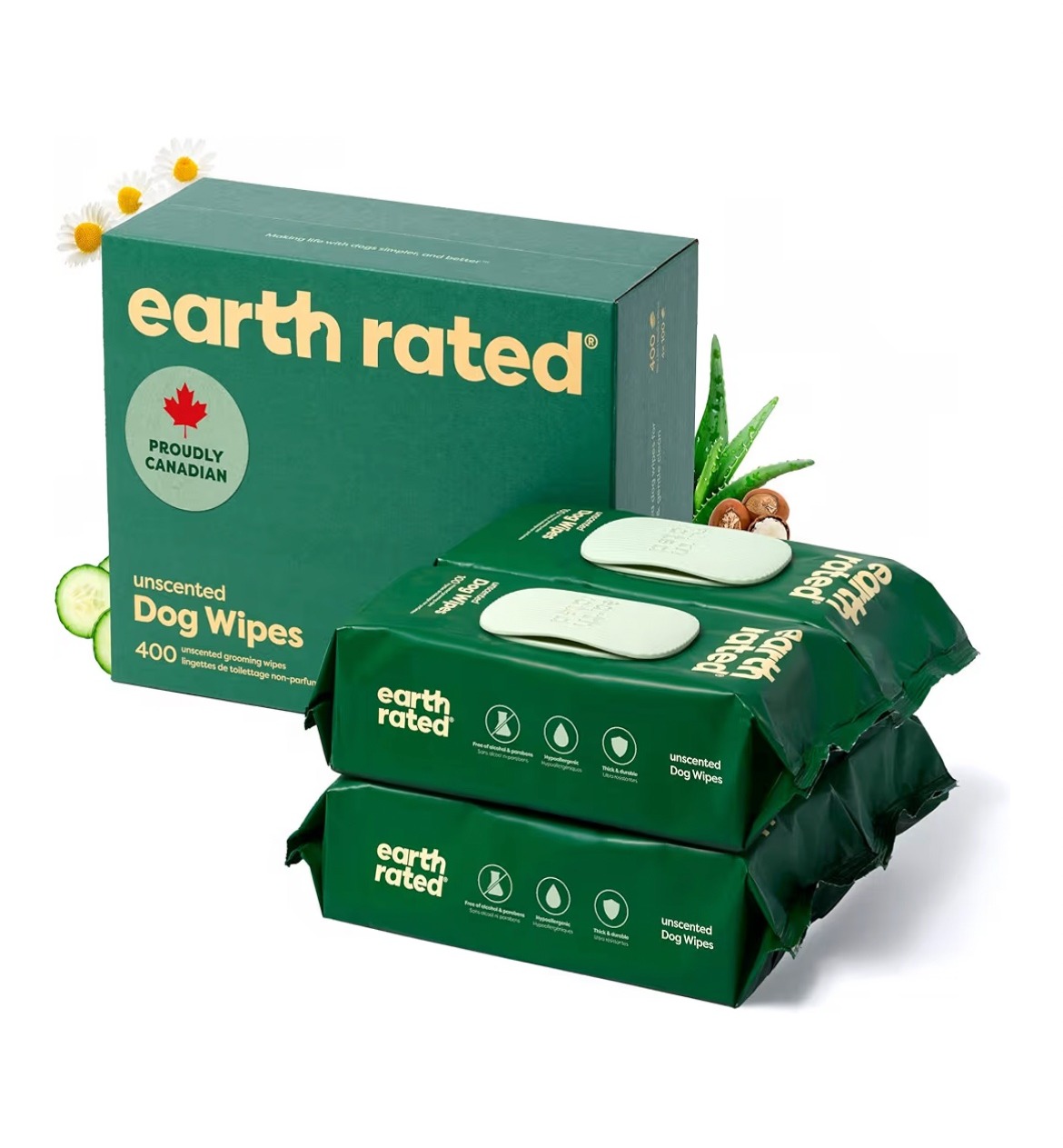
Earth Rated Unscented Wipes, 400 Count

The brand is non-negotiable here. Buy the 400-count box and keep them within reach.

Earth Rated Pet Wipes, Unscented, 400 Count — green box with Proudly Canadian badge and two refill packs
04
Daily food · Prescription

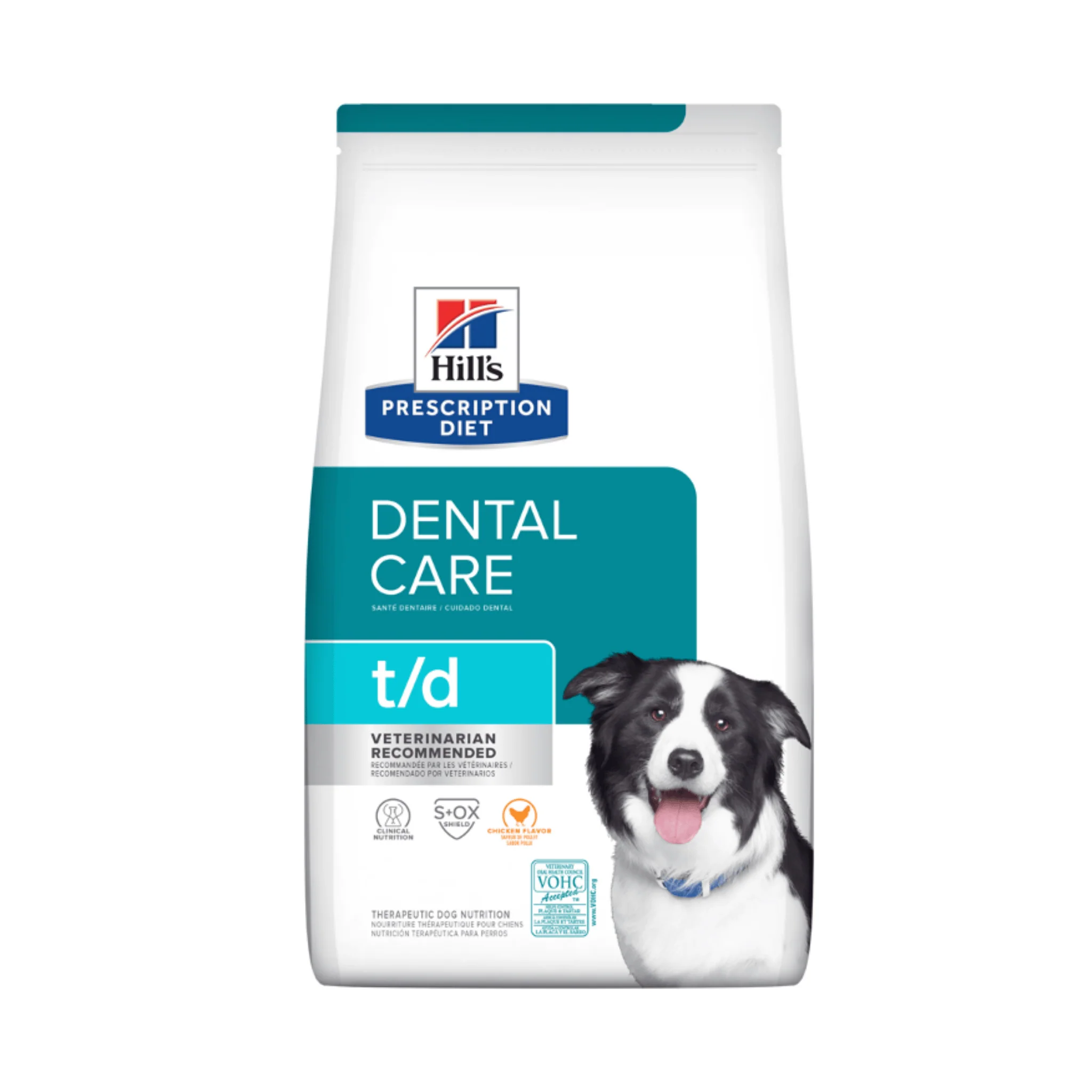
Hill's Prescription Diet t/d Dental Care

A large 11.3 kg bag, a real recurring cost, and one important condition: your vet has to approve it.

Hill's Prescription Diet t/d Dental Care dry dog food bag
05
Outdoor gear

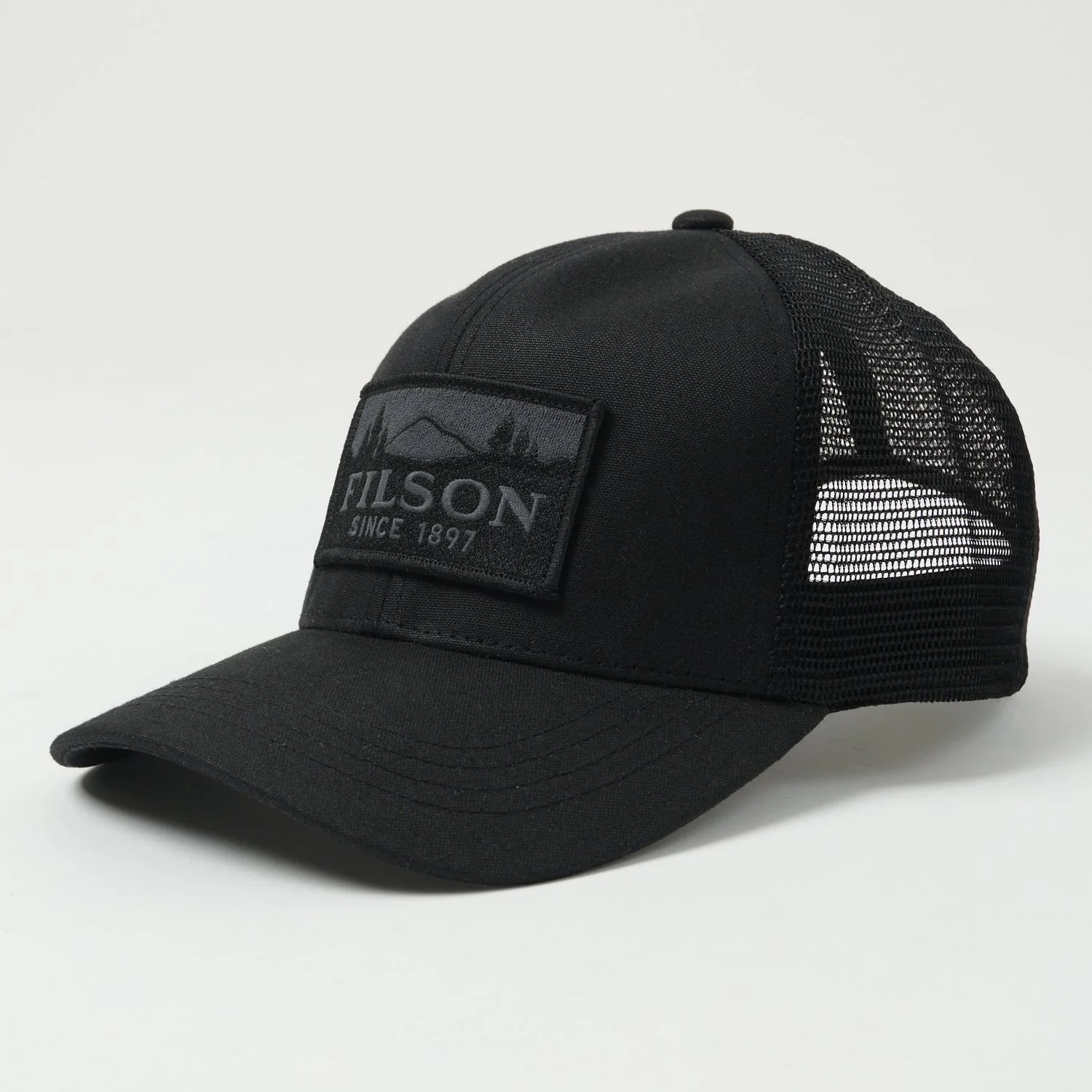
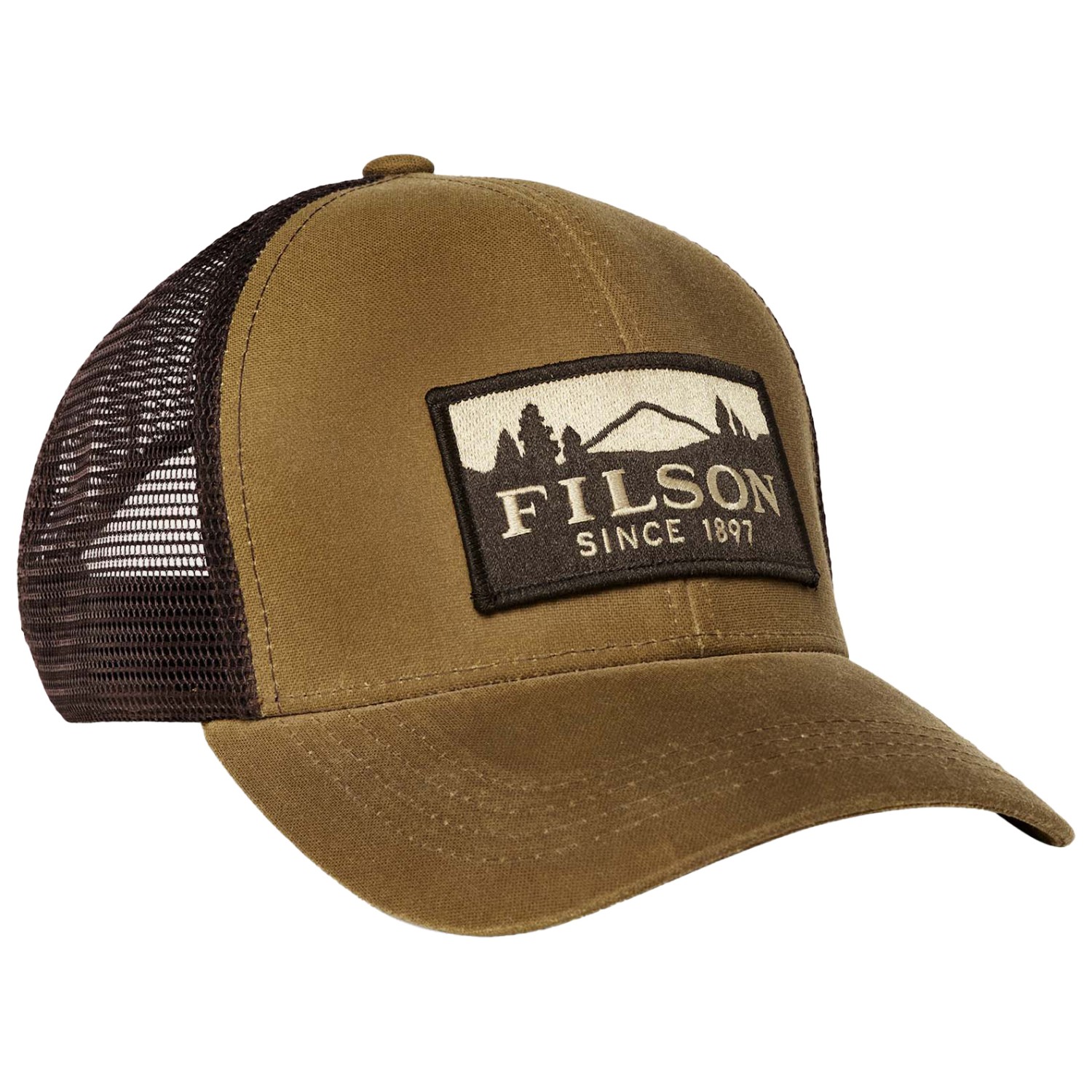
Filson Scenic Logger Mesh Cap

I nearly returned it. I kept it. That is more useful than pretending every purchase is love at first sight.

Filson Scenic Logger Mesh Cap in black on black
06
Dog gear · Everyday harness

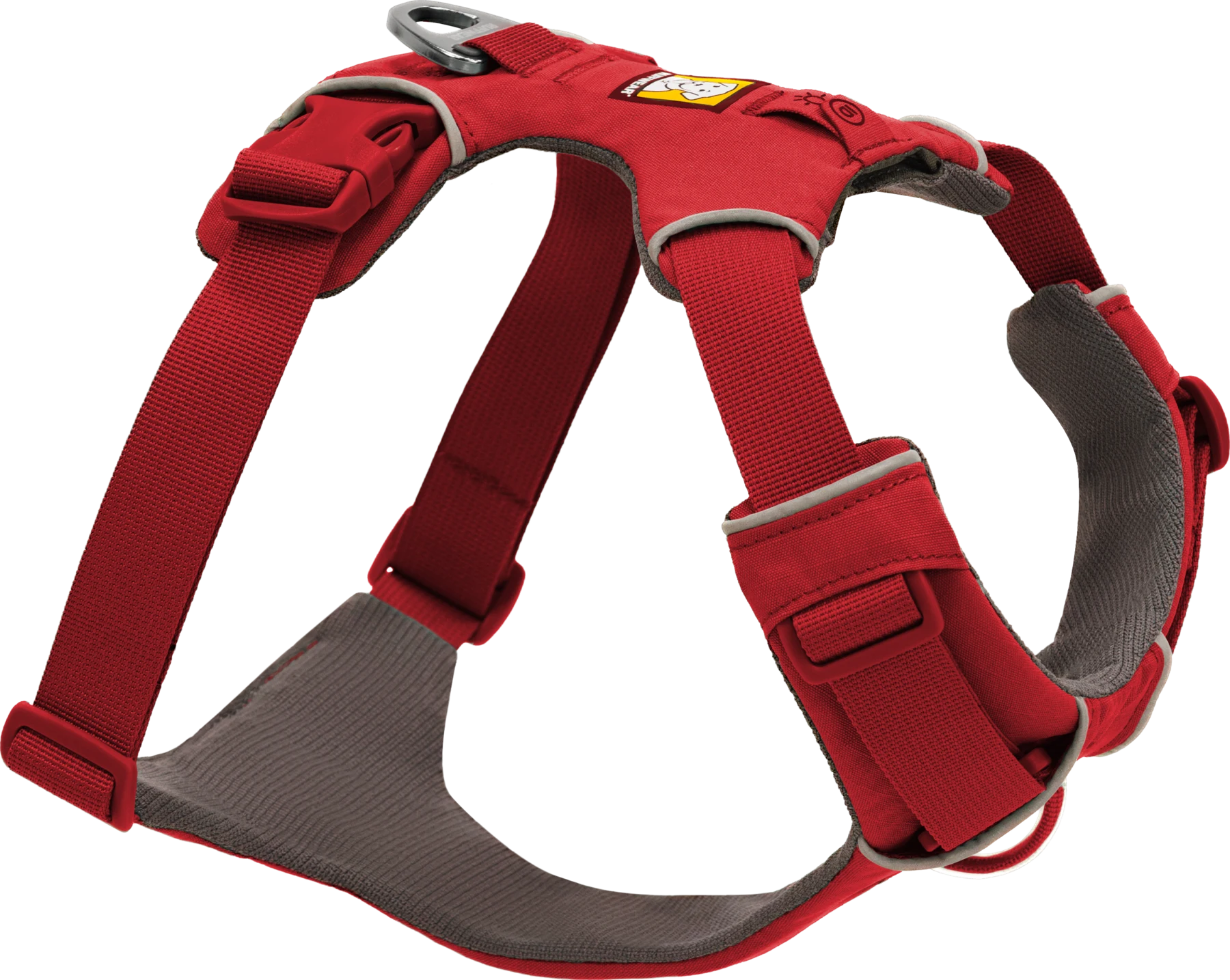
Ruffwear Front Range Dog Harness

The default recommendation for a reason: comfortable, adjustable, and equipped with front and back leash attachment points.

Ruffwear Front Range Dog Harness in Red Canyon
07
Outdoor gear · Waterproof backpack

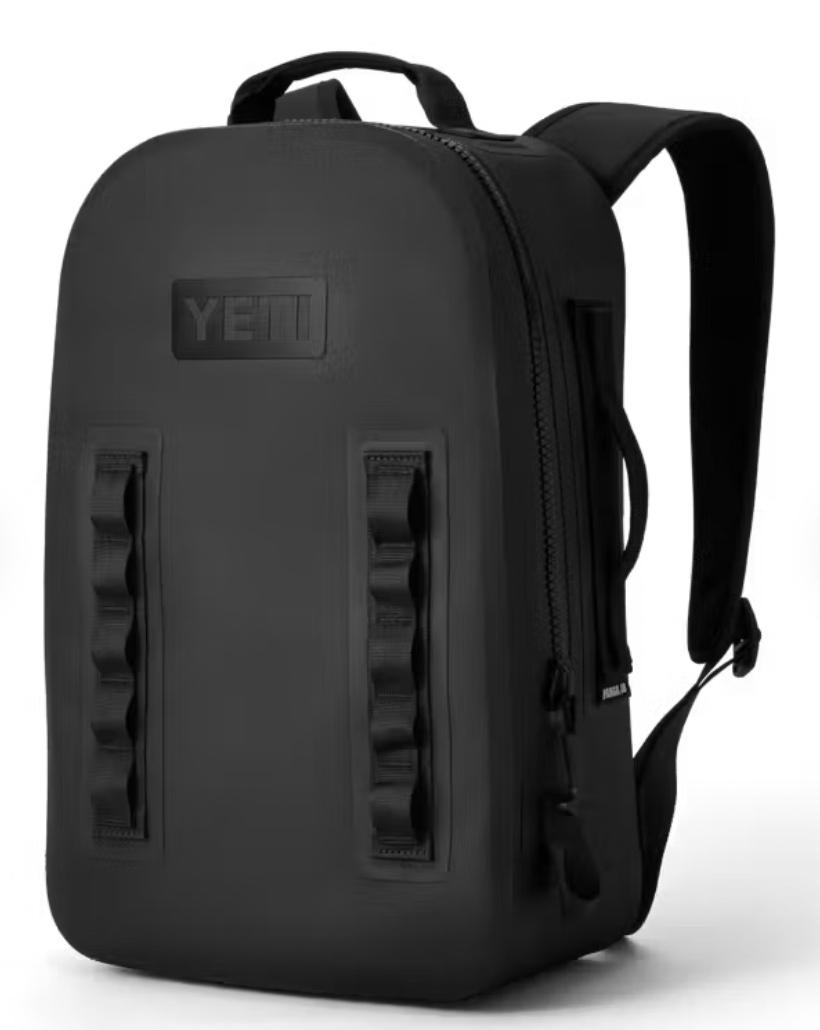
YETI Panga Backpack

A genuinely submersible waterproof backpack, in black, for the jobs where keeping gear dry is not optional.

YETI Panga Backpack in Black
08
Outdoor gear · Everyday tote

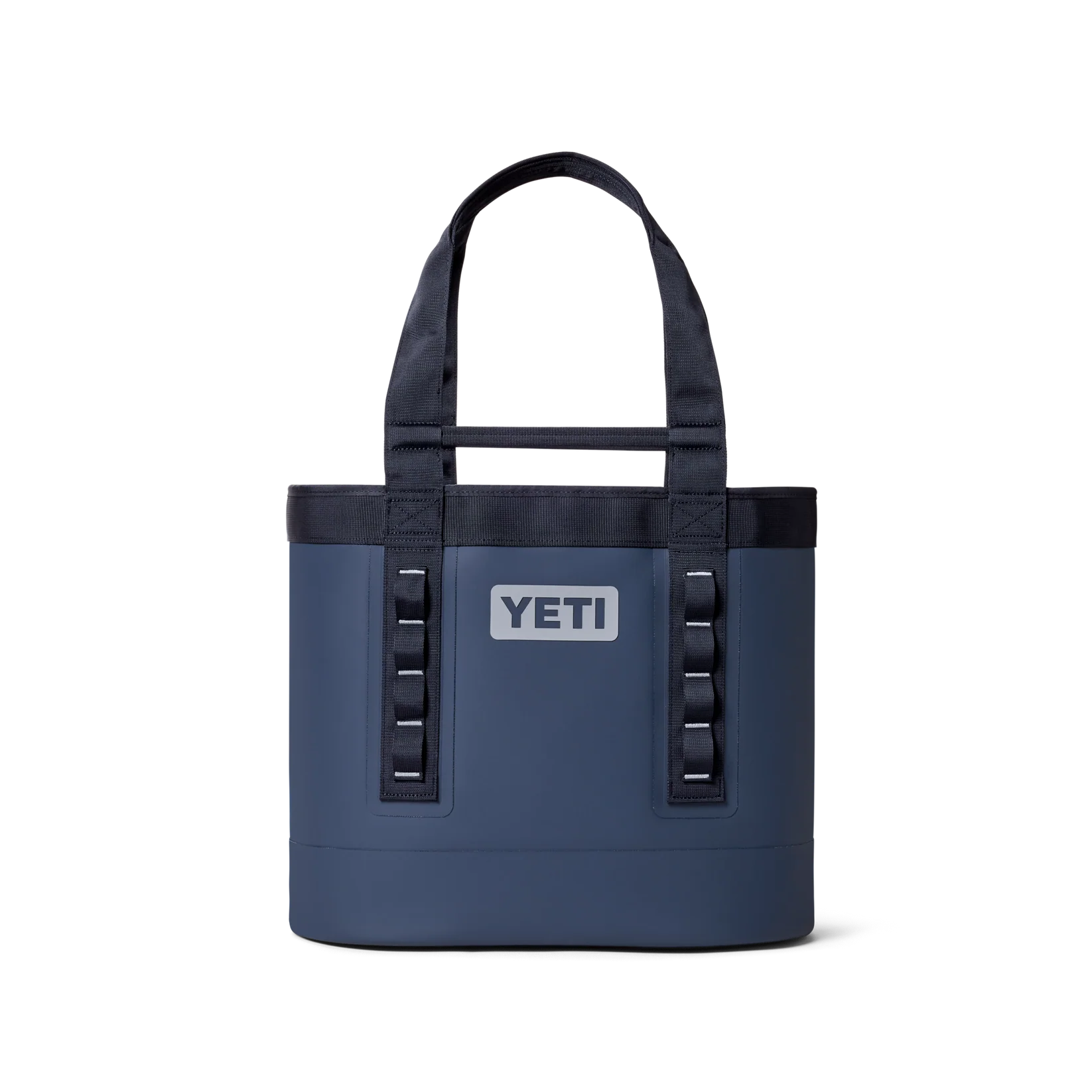
Yeti Camino Carryall 35

The daily hauler for wet boots, muddy gear, beach-day chaos, and dog gear — organized and easy to clean.

Yeti Camino Carryall 35 in Navy
09
Golf gear

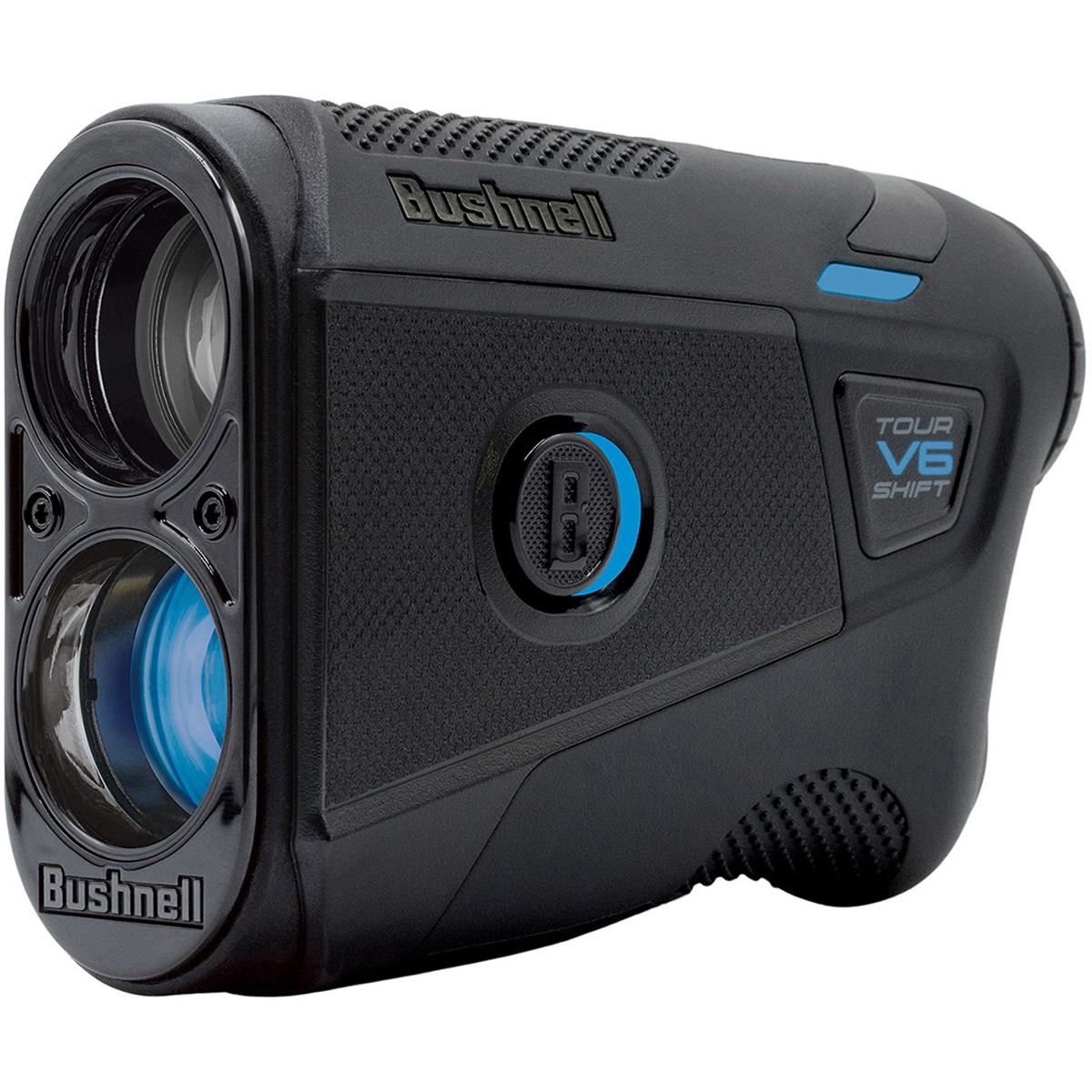
Bushnell Tour V6 Shift Rangefinder

Tour-level numbers with a slope switch for tournament legality — the best information-per-dollar in golf.

Black Bushnell Tour V6 Shift laser rangefinder
10
Golf gear

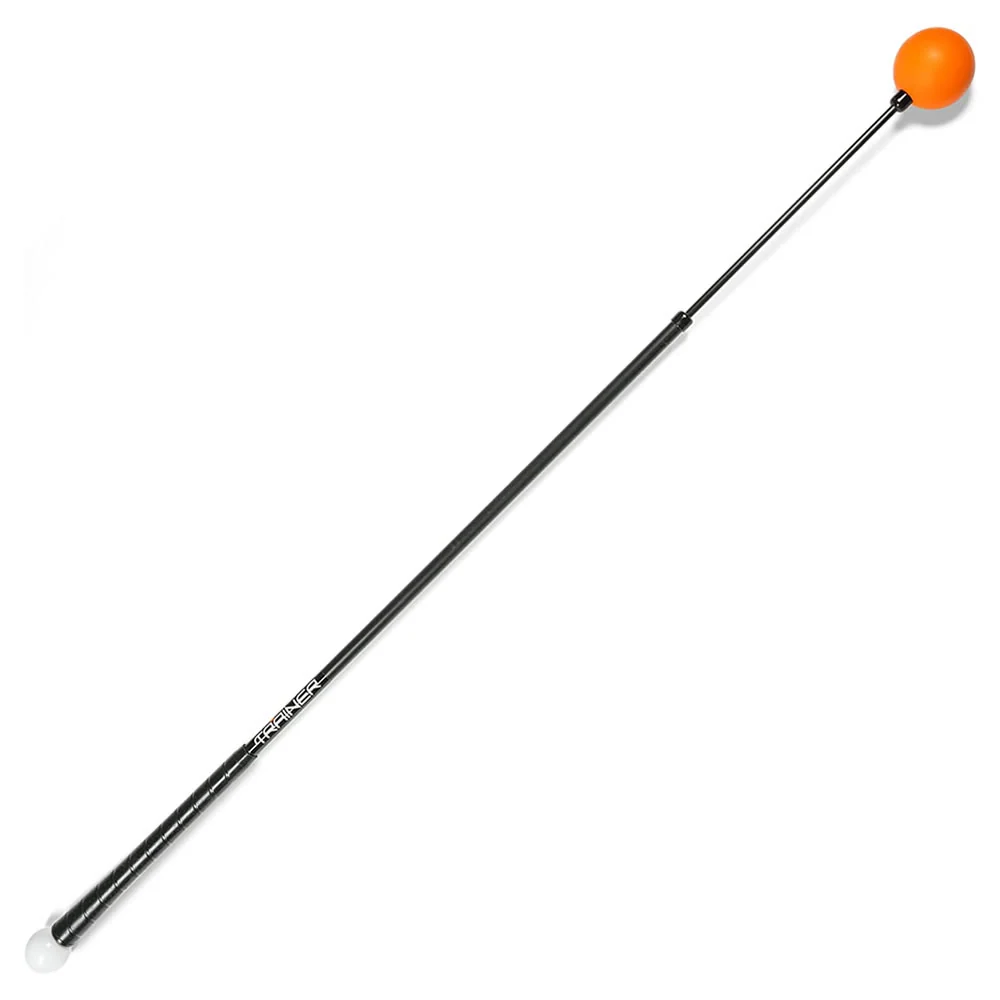
Orange Whip Swing Trainer (Full-Size, 47 in)

The reference-standard tempo trainer — counterbalanced, instant feedback, the highest-ROI training aid in golf.

Full-size Orange Whip golf swing trainer
11
Golf gear

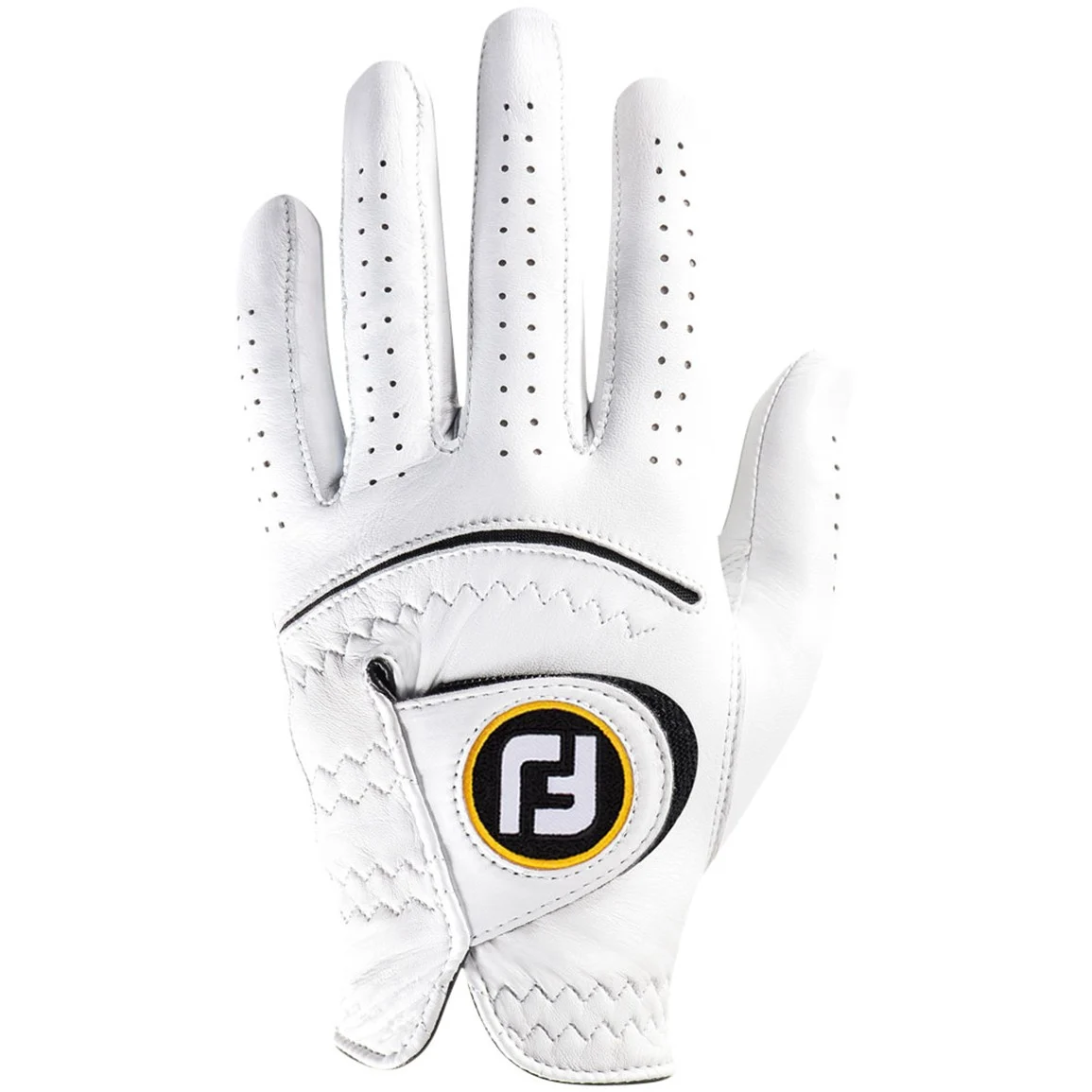
FootJoy Men's StaSof Golf Glove

The default answer in pro shops for decades — tour-proven leather that lasts a season, not a month.

White FootJoy men's StaSof golf glove
12
Dog gearCanadian company

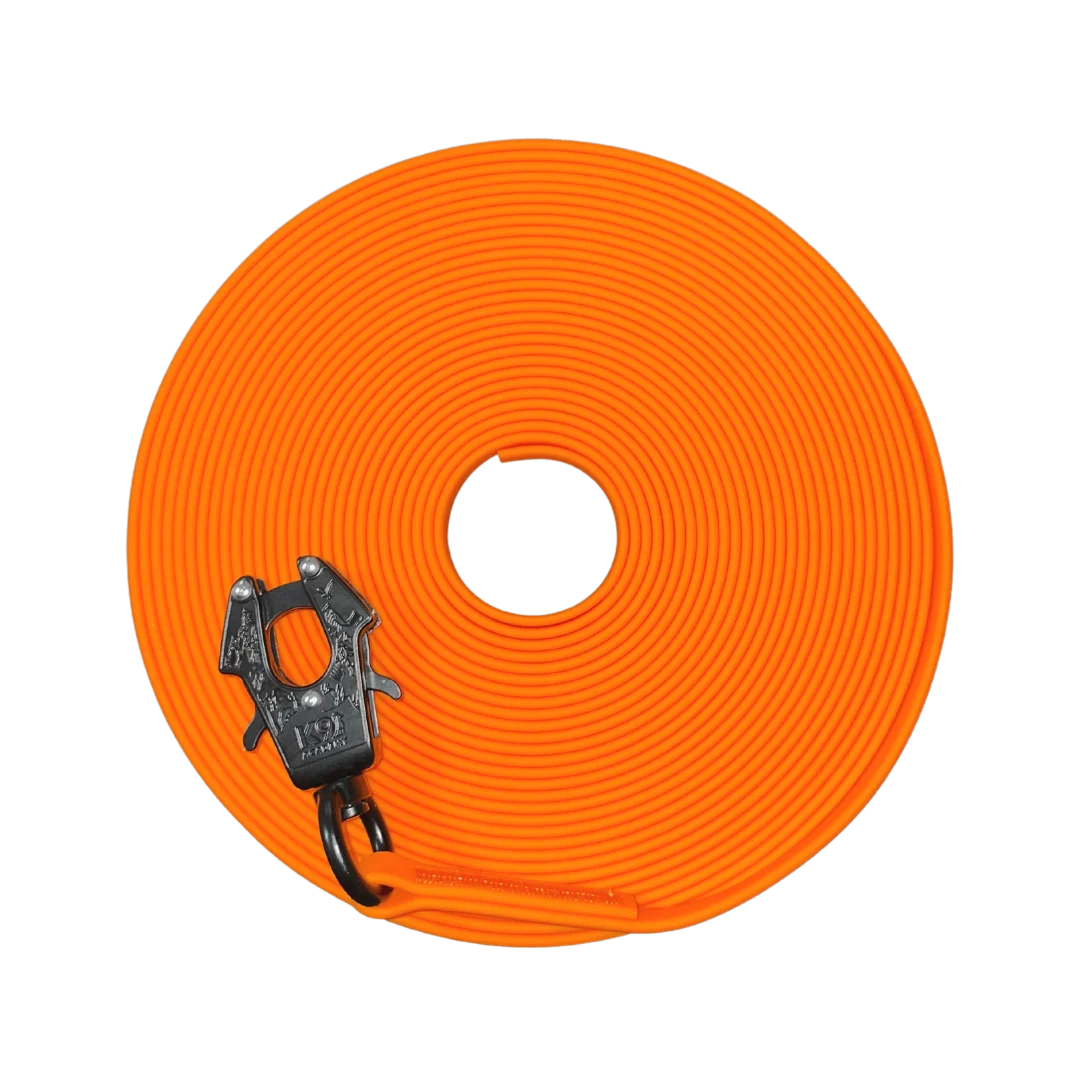
K9 Academy Waterproof Long Line, 30 ft

The highest value-per-dollar walking gear I know — $32 of coated biothane-style freedom for sniff-driven dogs.

K9 Academy waterproof 30-foot long line
13
Dog gear

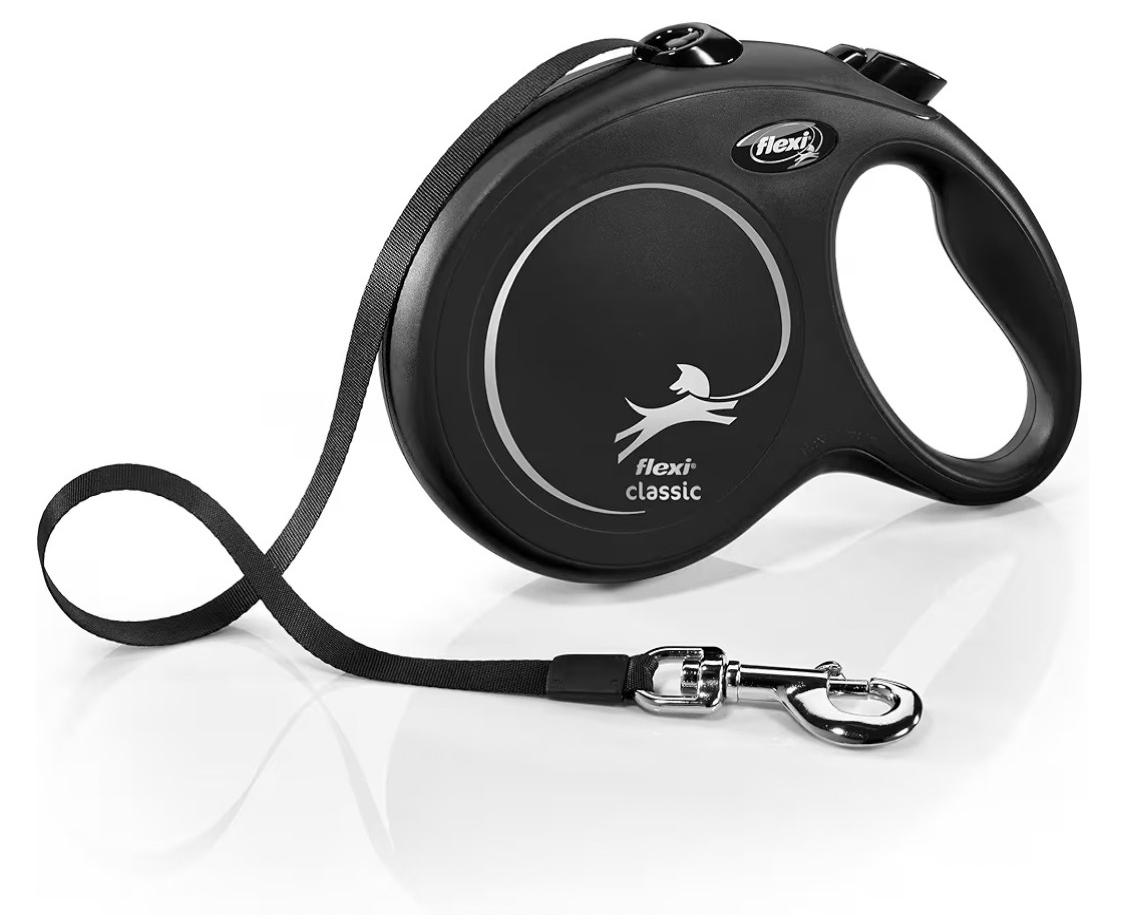
Flexi New Classic Retractable Leash

I'm on my second one. Twenty-six feet of trail freedom for a well-mannered dog — with an honest word on who should skip it.

Black Flexi New Classic Large tape retractable leash, 26 feet
14
Dog gearCanadian company

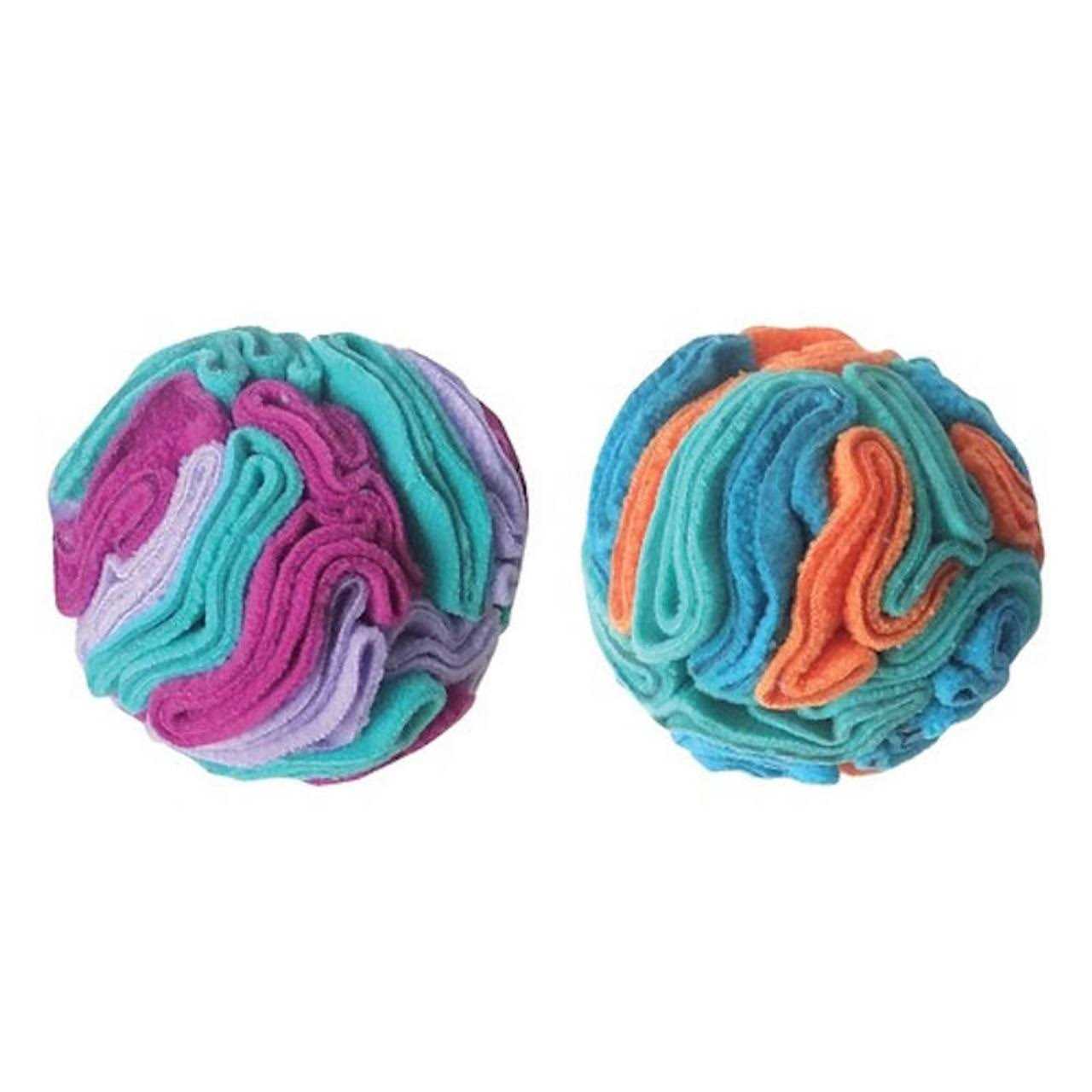
fouFIT Hide 'n Seek Snuffle Ball

Three purchased and sustained interest — the enrichment toy Zibi still chooses after long-term use.

Two colourful fouFIT Hide 'n Seek snuffle balls
15
Dog gear · Everyday bowl

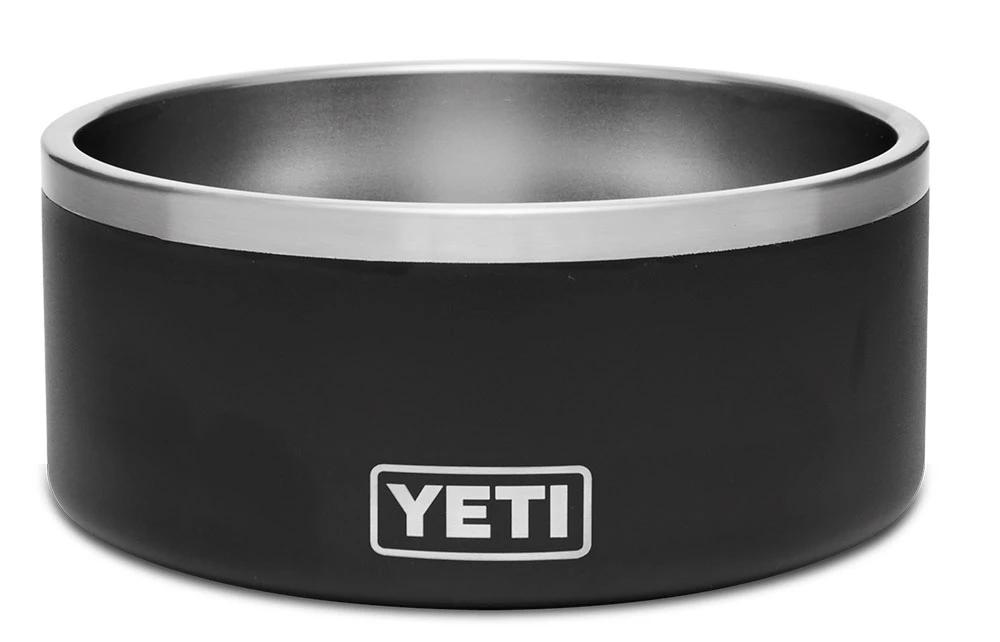
YETI Boomer 4 Dog Bowl

Absurdly sturdy, dishwasher safe, and correctly sized for Zibi, a 35-pound English field gun dog — but it is not insulated.

Black YETI Boomer 4 dog bowl
16
Dog gear · Food carrier

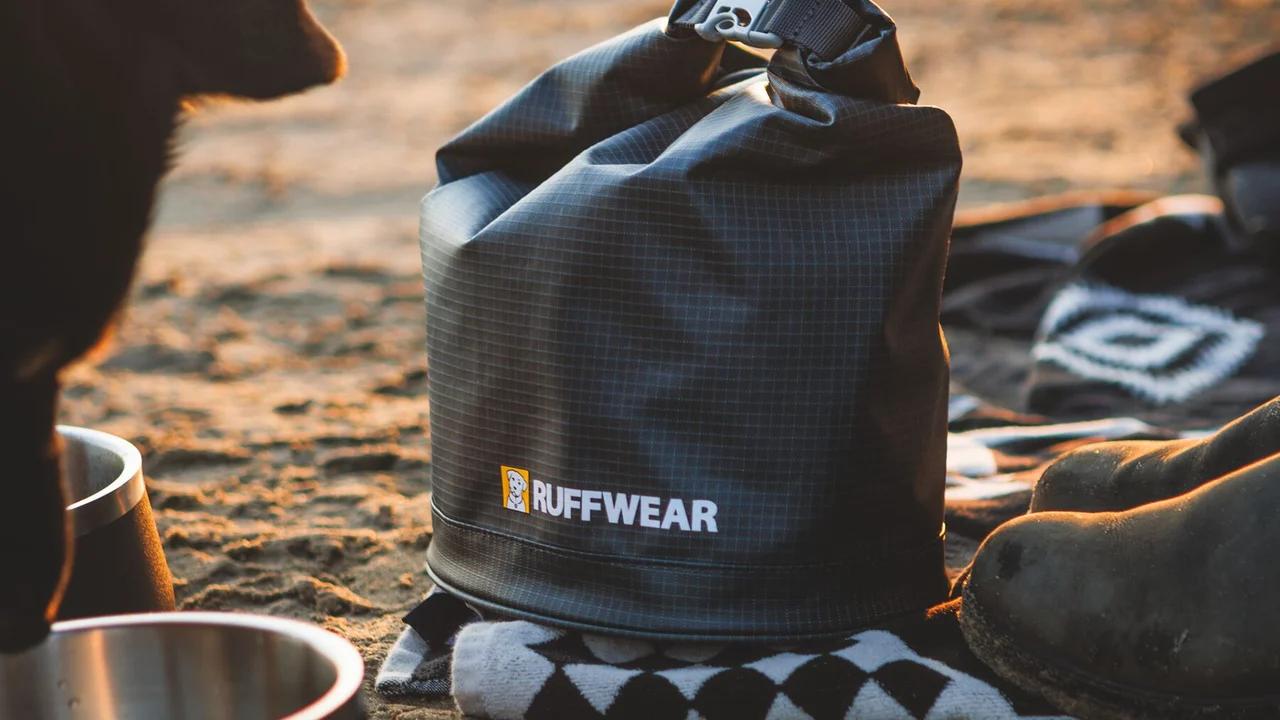
Ruffwear Kibble Kaddie

A 10-litre travel carrier with a food-grade lining, roll-down closure, and fold-out pour spout.

Ruffwear Kibble Kaddie in Basalt Gray
17
Outdoor gear · Waterproof pouch

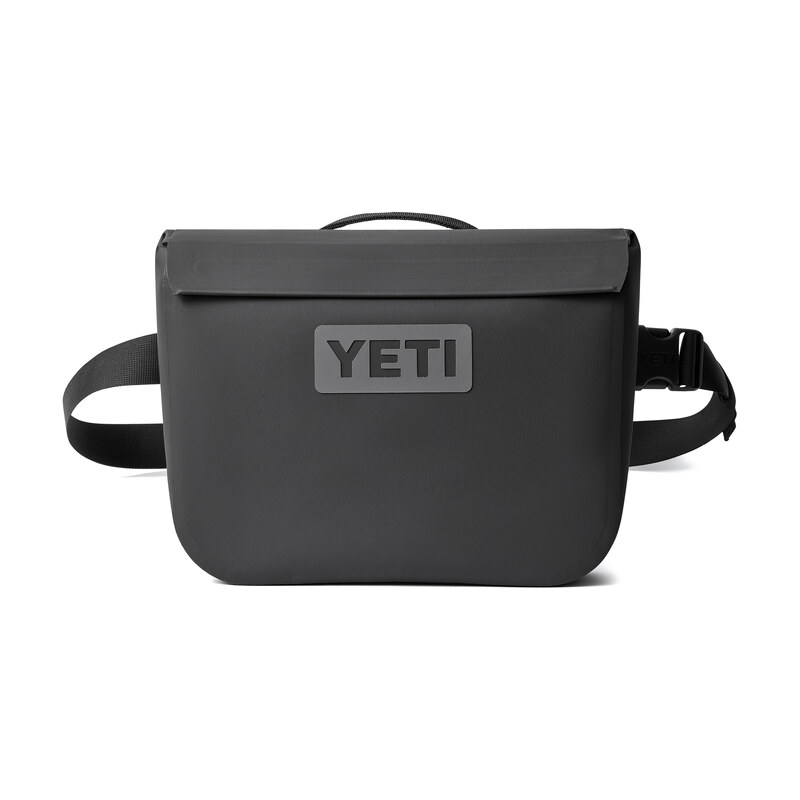
YETI Sidekick Dry Gear Case (1L, 3L, 6L)

Fully submersible, magnetically sealed, and built from raft-grade material. The real question isn’t whether it’s good — it’s which size, and how many.

YETI Sidekick Dry Gear Case in black
20
Dog gear · Chew toy

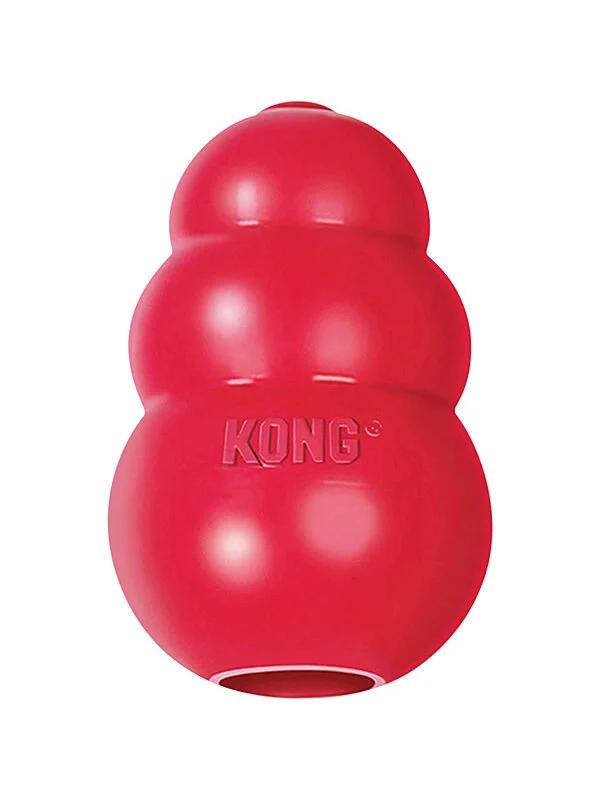
KONG Classic Dog Toy (Medium, 2-Pack)

The toy every other toy gets compared against. Forty years on the market, and Zibi’s is still in rotation.

Red KONG Classic dog toy
21
Dog gear · Fetch balls

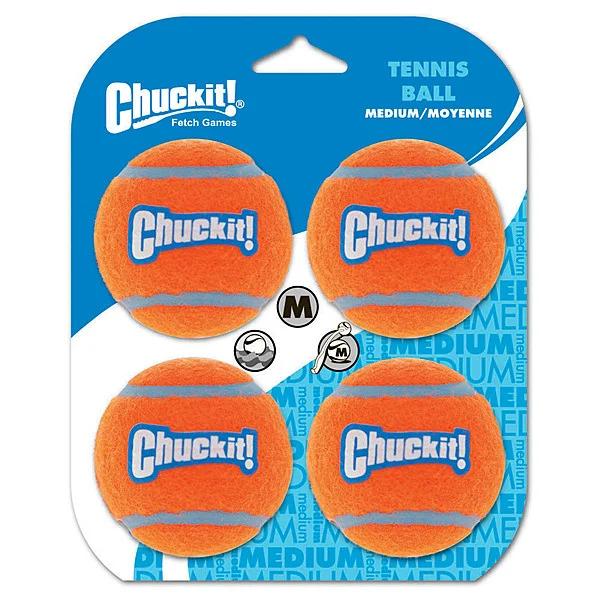
Chuckit! Tennis Balls (Medium, 4-Pack)

Regular tennis balls grind down dogs’ teeth. These are built not to — non-abrasive felt, an extra-thick rubber core, and they float.

Chuckit! Tennis Balls Medium 4-pack in orange
22
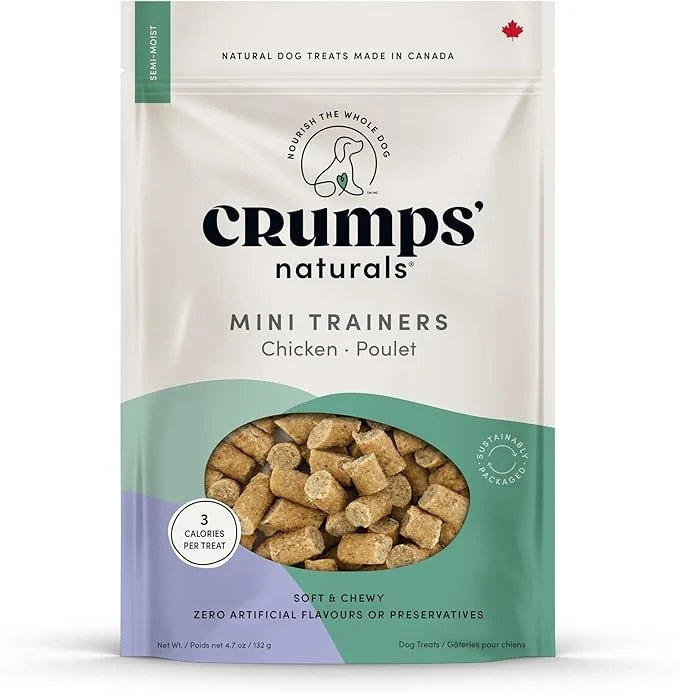
Dog treats · TrainingCanadian company

Crumps’ Naturals Mini Trainers (Chicken)

Three calories a treat, soft, and pocket-clean — the everyday training treat that has survived two years of daily walks.

Crumps’ Naturals Mini Trainers Chicken bag, 132 g
23
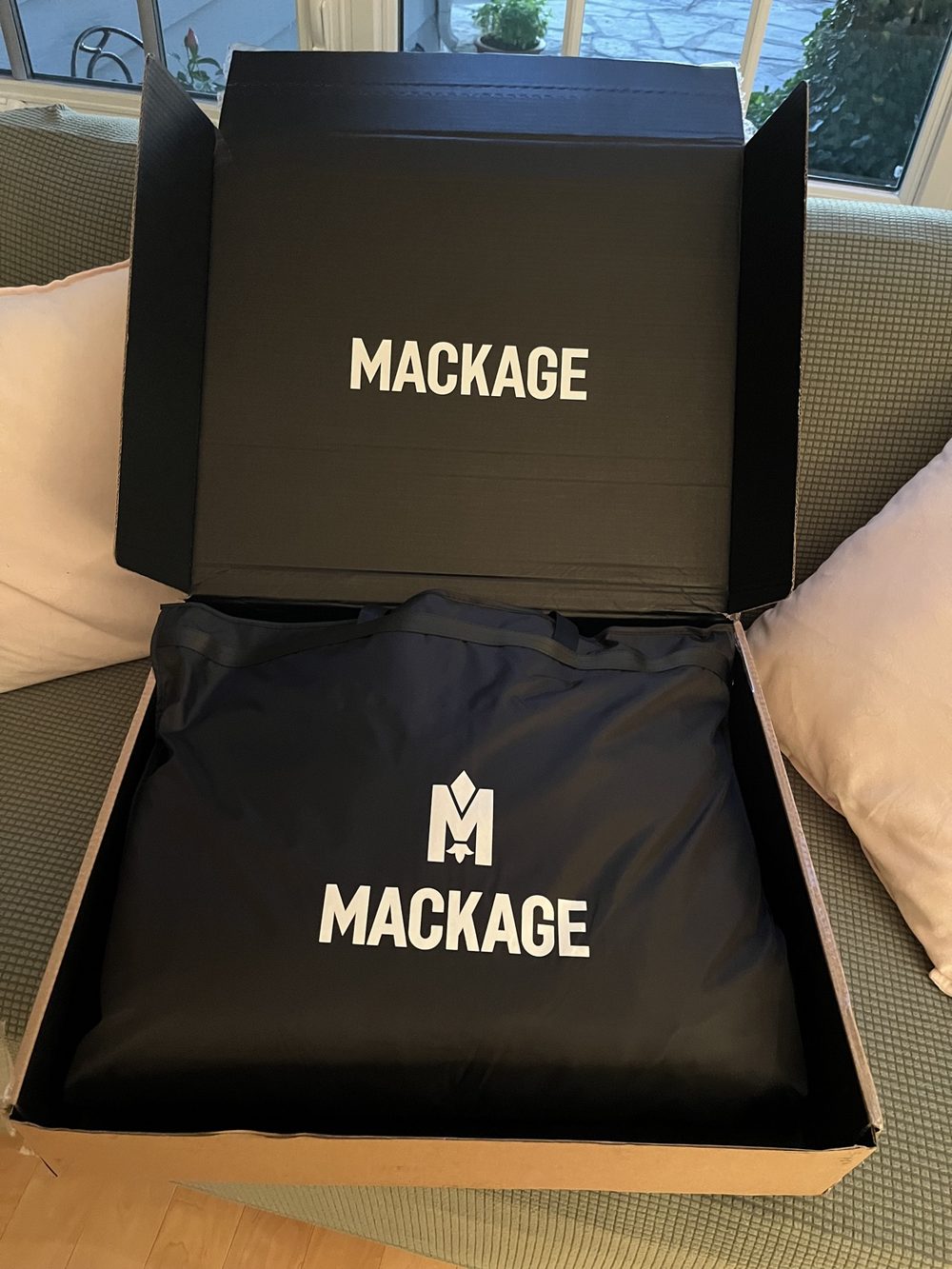
Outdoor gear · Deep-winter parkaCanadian company

Mackage Moritz-X Parka

I bought it, I wear it, and it has never disappointed me. It is exactly the jacket I want — deep-winter warmth that still looks sharp enough for dinner after the dog walk.

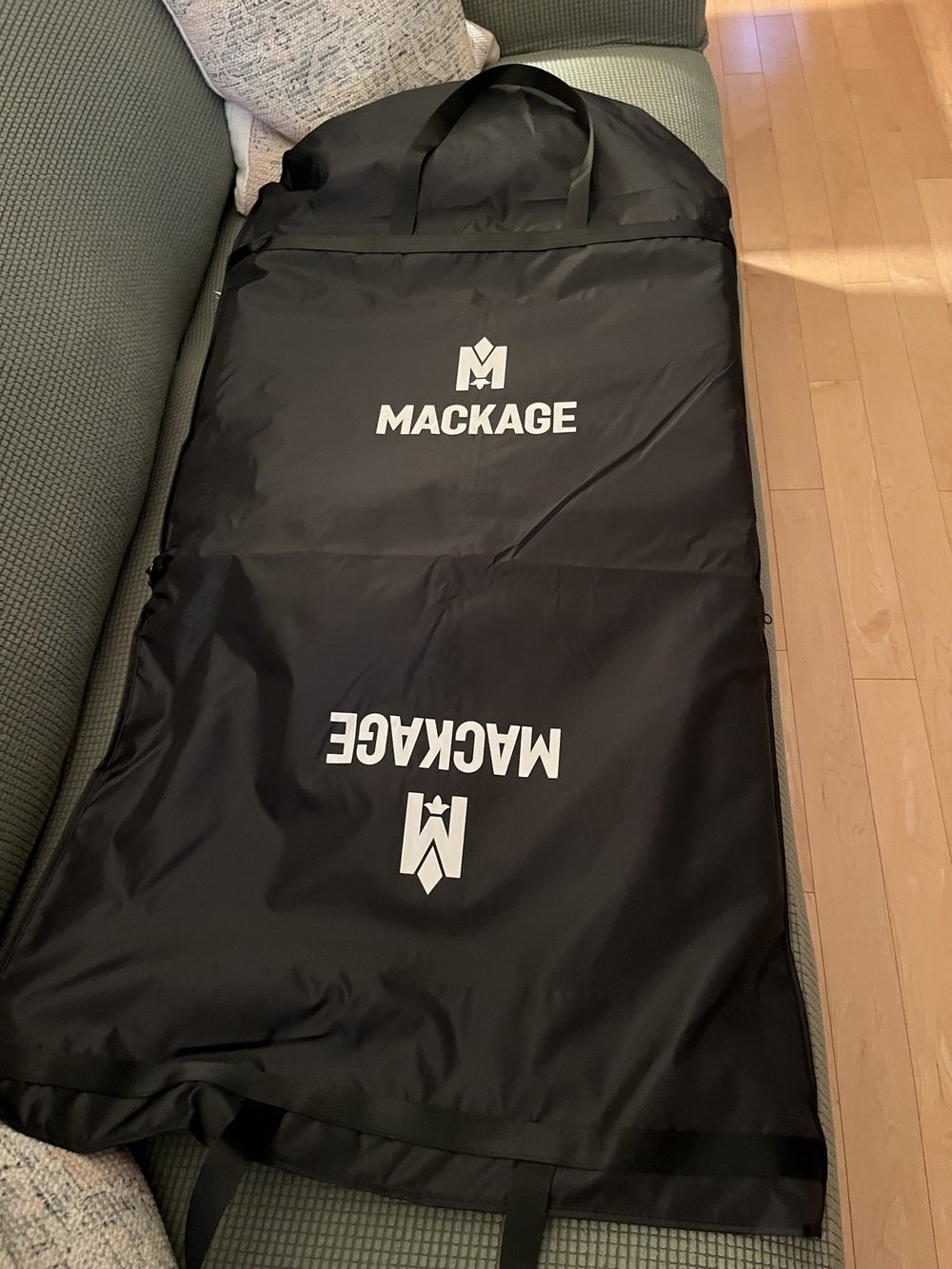
The Mackage Moritz-X as it arrived — open box with the branded dust bag inside
24
Dog gear · Fetch balls

Chuckit! Ultra Ball (Medium, 2-Pack)

Solid rubber, zero felt, the highest bounce in the line — the fetch ball for dogs that fetch and chew. An expert evaluation, stated plainly.

Two Chuckit! Ultra Balls in bright orange and blue solid rubber
25
Dog treats · TrainingCanadian company

PureBites Beef Liver Dog Treats (Freeze-Dried)

One ingredient — 100% pure beef liver, freeze-dried. The jackpot tier of the treat pouch, for the moments the everyday treat can’t cut through.

Freeze-dried beef liver dog treat pieces
26
Dog gear · Car seat

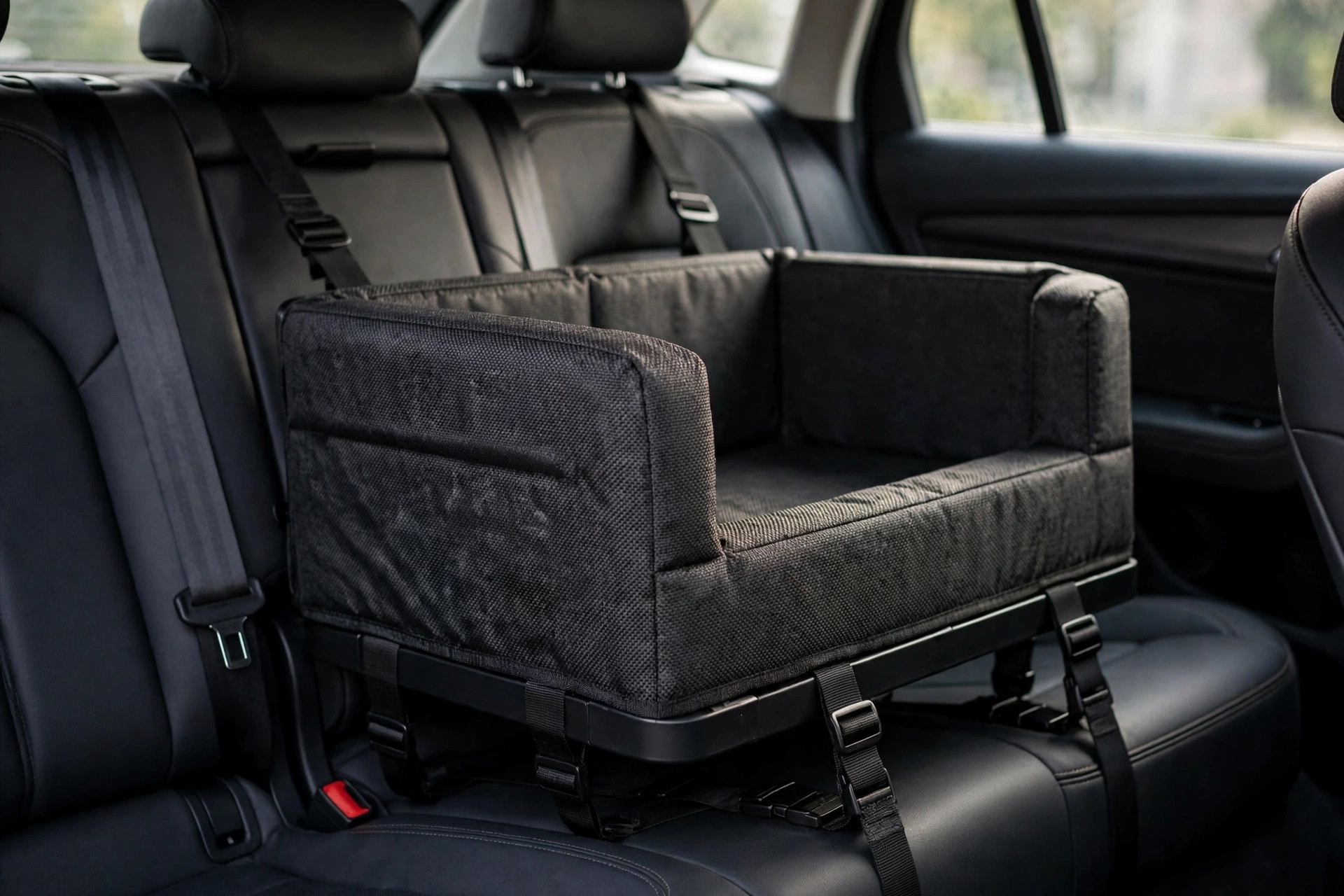
Wuglo Extra Stable Dog Car Seat

Eight support bars (4 vertical + 4 horizontal) and four straps — the booster seat that does not slide across the bench when you brake or corner. Hands-on with Zibi.

Wuglo Extra Stable Dog Car Seat in black, strapped into a car back seat
27
Dog gear · Seat cover

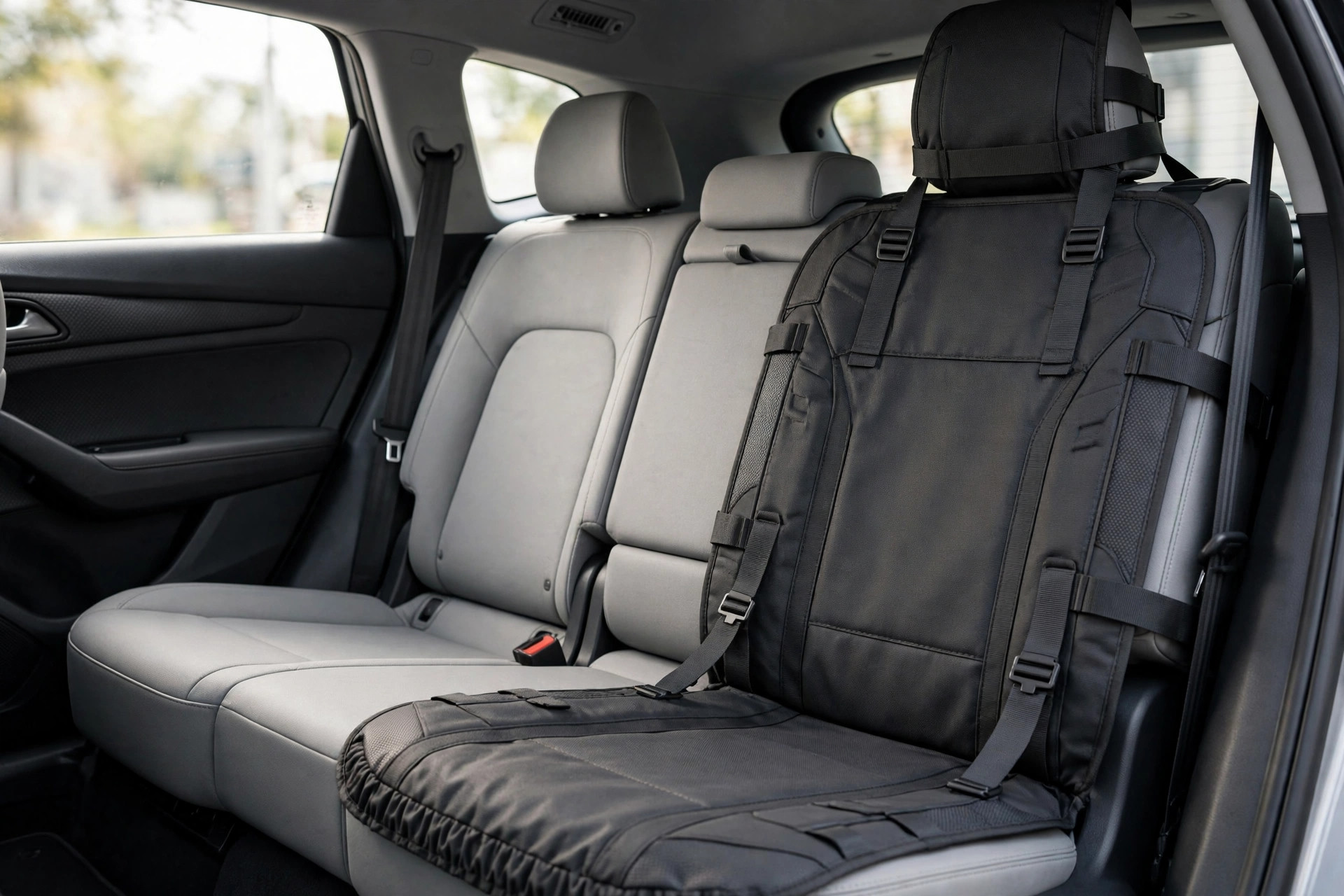
KONG Travel Single Seat Cover

One seat stays dog-ready; the rest of the car stays passenger-friendly. The lowest-friction seat protection I have used.

KONG Travel Single Seat Cover in black, fitted over one car seat
28
Dog gear · AirTag holderCanadian company

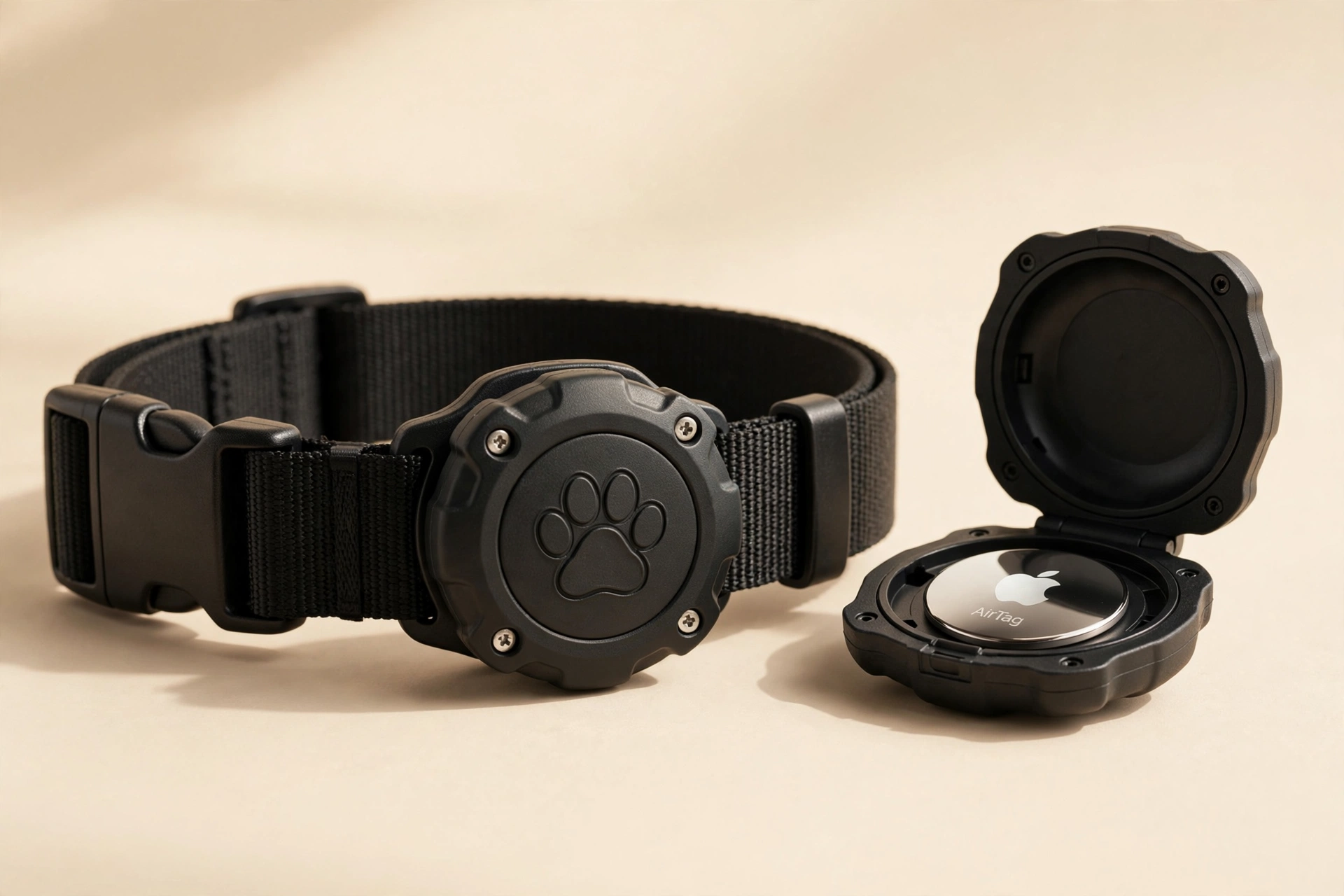
Säker IP68 Waterproof Dog Collar Holder for AirTag — 2 Pack

Zibi gets it totally soaked on about half our walks, and it washes clean with soap and water. The IP68 claim, field-tested — hands-on.

Säker waterproof AirTag collar holder in black, mounted on a black dog collar
29
Dog gear · Treat pouch

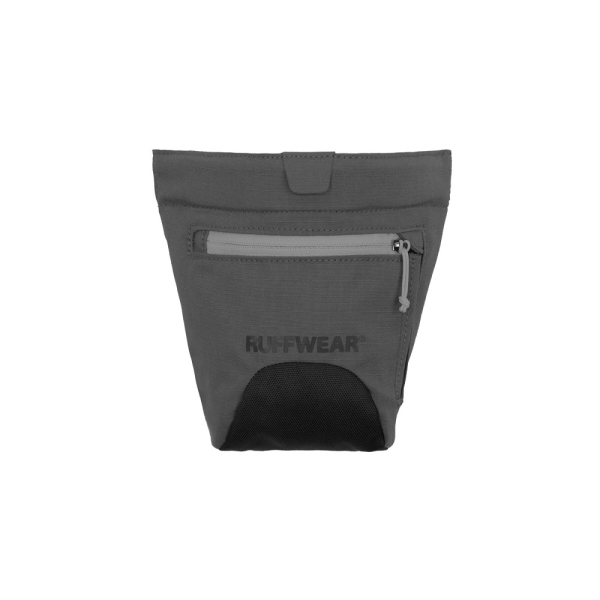
Ruffwear Treat Trader Treat Pouch

A magnetic closure that stays open for a quick grab and snaps shut when you don’t need it, a zippered pocket that fits two poop bags comfortably, and a lining that dumps crumbs clean and never holds a smell. I’ve owned two of the grey ones — and bought the teal/magenta as a gift. Rated 9/10.

Ruffwear Treat Trader treat pouch in grey, showing the zippered front pocket
30
Golf gear

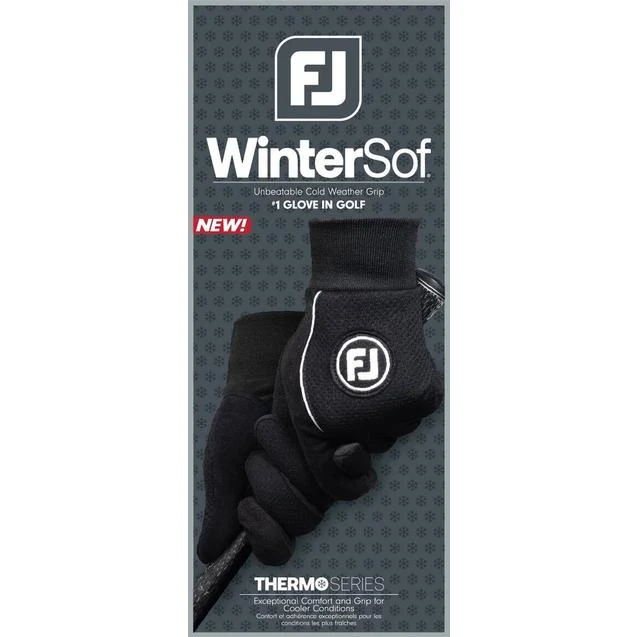
FootJoy Men's WinterSof Golf Gloves

The cold-weather pair that buys you two extra months of golf — warmth that doesn't cost you your fingers, on the course and off it.

Black FootJoy men's WinterSof golf gloves, pair
31
Golf gear

FootJoy Men's RainGrip Golf Gloves

The wet-weather pair that grips harder the wetter it gets — the third glove every Canadian bag needs. An expert evaluation, stated plainly.

Black FootJoy men's RainGrip golf gloves, pair, gripping a club
32
Golf gear · Golf balls

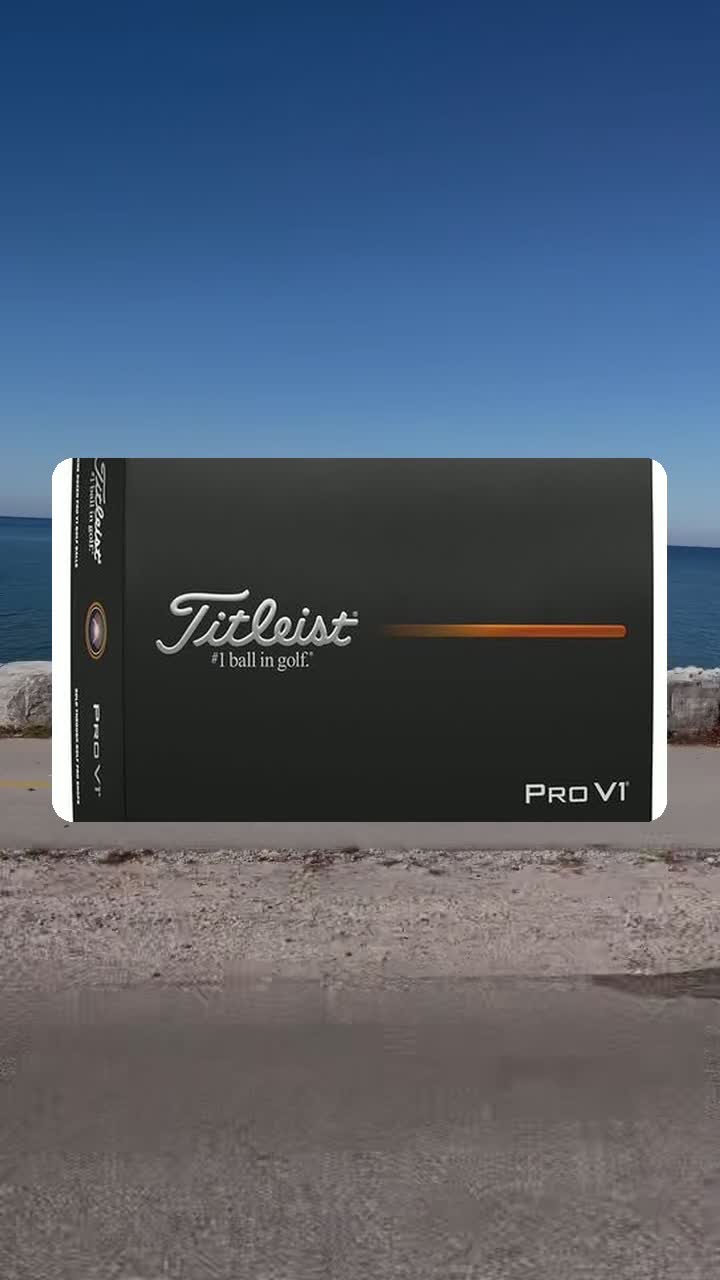
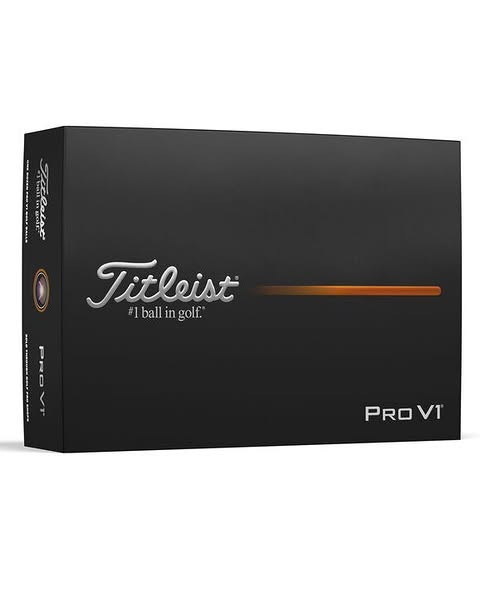
Titleist Pro V1 Golf Balls (One Dozen)

My ball since my second year of university and all through my pro career — still is. The premium ball that earns its price, and the gift every golfer actually wants.

Titleist Pro V1 golf balls, black dozen box
33
Outdoor gear · Drinkware

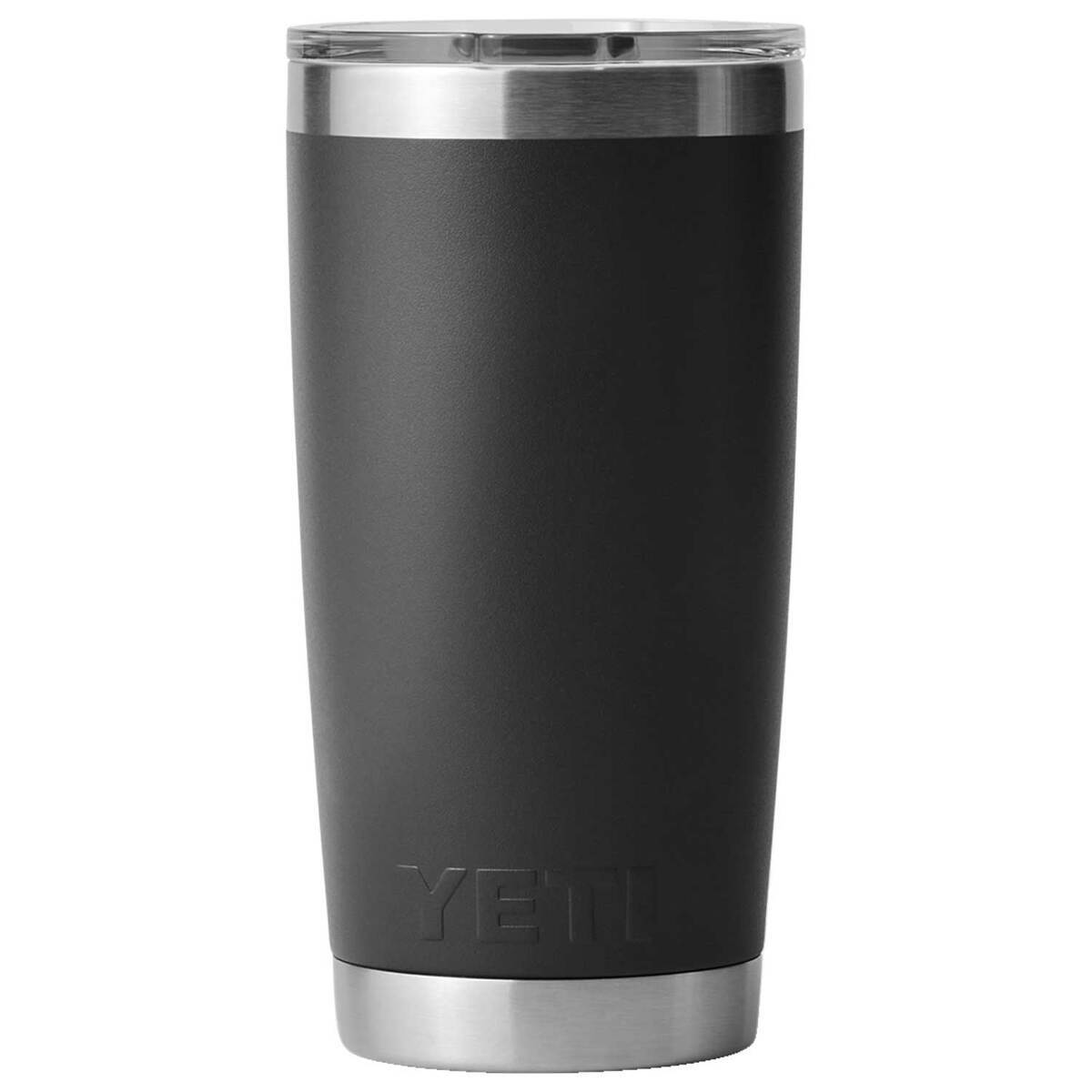
YETI Rambler 20 oz Tumbler with MagSlider Lid

I own a bunch of them — years of daily coffee and cold drinks. The buy-once tumbler, with one honest limit: the lid is a splash guard, not a seal. Rated 9/10.

YETI Rambler 20 oz Tumbler with MagSlider Lid in black
34
Dog gear · Nose workCanadian company

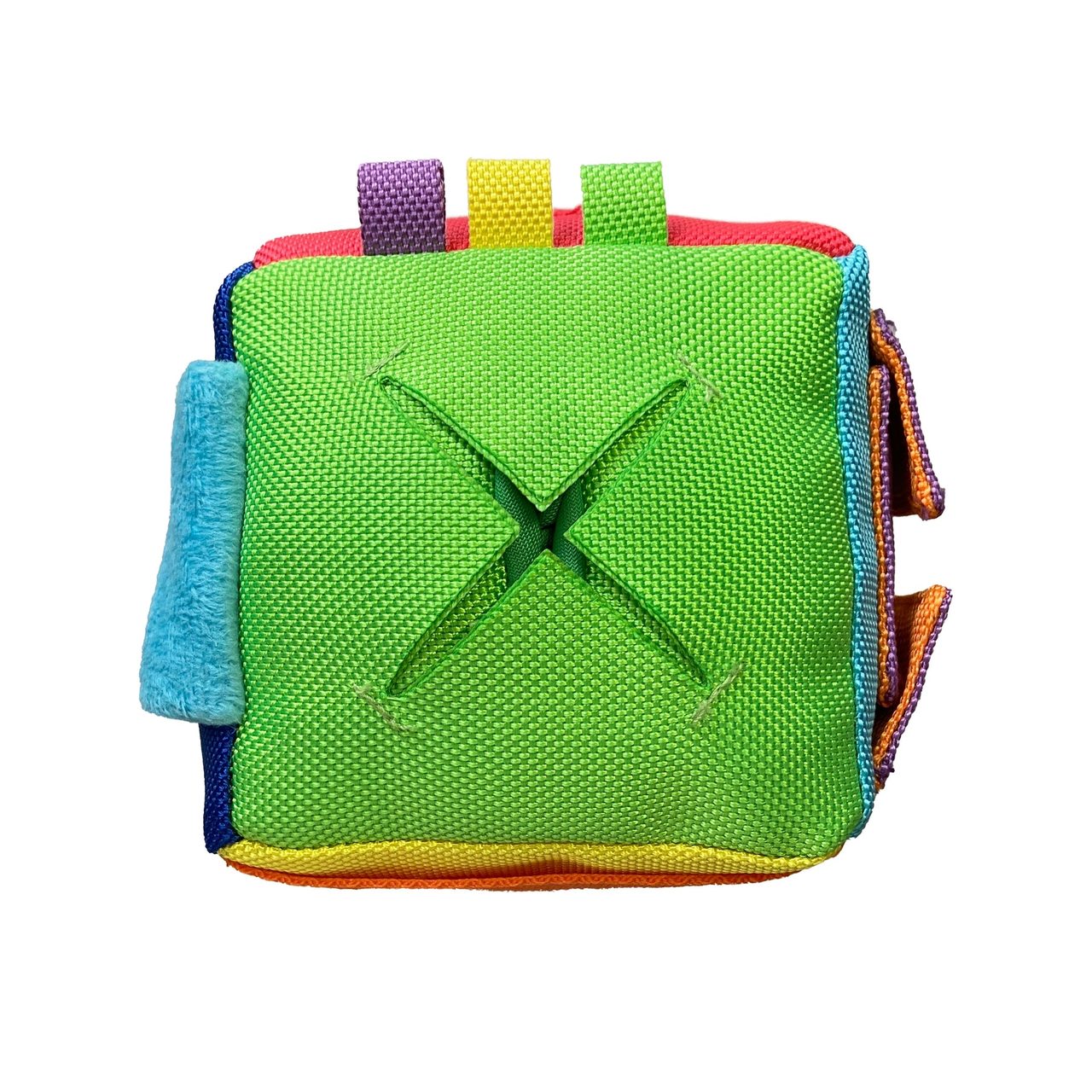
fouFIT Hide n Seek Nosework Cube

Zibi's favourite toy, full stop — and my number-one go-to when the zoomies hit. The nose-work cube that ends the post-walk wind-down debate. Rated 9/10.

The fouFIT Hide n Seek Nosework Cube — a multi-coloured patchwork fabric cube with treat-hiding pockets
“If something is great, I’ll say so. If it costs too much or misses the mark, I’ll say that too.”
← All reviews
Dog chews · Reviewed October 2026Canadian company

Bully Bunches Large Bully Stick Rings

A strong nightly chew for Zibi. The product works. The real question is whether the cost works for you.

Bully Bunches natural dog chew rings in their package
What I boughtTwo 8-packs · 16 rings
What I paid$105.32 CAD total
My verdictGood chew, expensive habit

The short version

Zibi is a 35-pound English field gun dog. She can get through about one large ring a night. That is the clearest endorsement of the chew itself: she stays interested and wants another one the next day.

I ordered two 8-packs on October 6, 2026. Each pack was $46.60. Tax was $12.12, shipping was free, and the total came to $105.32.

About $210/month at one ring a night.

Stretching each ring across two nights brings that closer to $105/month.

How it has held up

Daily use is not the problem. Zibi likes the shape and works through it consistently. The issue is speed. If one ring disappears every night, a 16-ring order lasts a little over two weeks.

I now spread each ring over two nights. That turns it from a very expensive daily routine into a cost I can at least justify.

What I like

  • Zibi stays interested.
  • The ring shape gives her something substantial to work on.
  • Free shipping on this order helped.

What I do not

  • One per night gets expensive fast.
  • For Zibi, one ring is not a multi-day chew unless I take it away.
  • The monthly cost matters more than the per-pack price.

Who it is for

These make sense for a dog that enjoys a serious chew and an owner willing to control the pace. If your dog finishes chews quickly, do the monthly math before turning them into a nightly routine.

Always supervise chew time and choose a size suited to your dog.

← All reviews
Walk essential · Current pickCanadian company

Earth Rated Unscented Poop Bags

I do not need clever features from a poop bag. I need it to open, hold, and not tear.

Box and rolls of Earth Rated unscented dog poop bags, 600-count value pack
What I boughtUnscented refill bags, 600-count value pack
What I paidReceipt price not provided
My verdictReliable daily default

The standard is simple

Zibi and I walk every day. Bags are not an occasional purchase. They are everyday equipment, and failure is not something I am willing to accept.

My hard requirement is sturdiness. The bag cannot tear or break in use. The Earth Rated unscented bags — the 600-count value pack — are my current pick because they meet that basic test. They also come in 70- and 120-count boxes, but the 600-count is the one I buy.

How they have held up

They have been dependable in the daily walking routine. That matters more to me than packaging claims or a long list of features. I choose unscented because I would rather skip the added fragrance.

What I like

  • Sturdy enough for daily use.
  • Unscented.
  • Easy to keep in the normal walk rotation.

What I do not

  • I am still open to a cheaper option.
  • A lower price only matters if the alternative does not tear.
  • The exact purchase price is not on the receipt notes available for this review.

Who it is for

Anyone who wants a no-drama bag and would rather pay for reliability than gamble on something flimsy. I will switch for better value, but not at the cost of strength.

← All reviews
Cleanup · Daily routineCanadian company

Earth Rated Pet Wipes, Unscented, 400 Count

Some purchases are open to comparison. This one is not. I buy the 400-count unscented box and move on — the #1 Best Seller in Dog Grooming Wipes, rated 4.7 stars.

Earth Rated Pet Wipes for Dogs and Cats, Unscented, 400 Count — green box with Proudly Canadian badge and two green refill packs
What I boughtUnscented pet wipes, 400-count box with refill packs
What I paidReceipt price not provided
My verdictA repeat buy

Why they stay in the house

Regular walks with Zibi mean regular cleanup. These are the wipes I keep buying. I choose unscented, and I buy the 400-count box because running out is the only real inconvenience.

I am usually willing to compare brands when there is a clear value case. Not here. Earth Rated is non-negotiable for this part of the routine.

How they have held up

They have earned repeat-purchase status. They are easy to grab after a walk, useful when a full wash is unnecessary, and consistent enough that I am not looking for a replacement.

What I like

  • Reliable for routine cleanup.
  • Unscented.
  • The 400-count box suits frequent use.

What I do not

  • The 400-count box takes up storage space.
  • They are for quick cleanup, not a replacement for a proper bath.
  • The exact purchase price is not on the receipt notes available for this review.

Who it is for

Dog owners who are outside often and want a dependable wipe ready at the door. If your dog comes home with dirty paws regularly, buying the 400-count box makes practical sense.

← All reviews
Daily food · Prescription required

Hill's Prescription Diet t/d Dental Care Chicken

This is the 11.3 kg dry dog food bag in Zibi’s routine. It is also a prescription product, which changes how you buy it.

Hill's Prescription Diet t/d Dental Care Chicken dry dog food
Size11.3 kg
What I paidAbout $150.76 CAD AutoOrder
Regular price$158.70 CAD

The practical review

I buy the 11.3 kg bag from myvetstore.ca. The regular price is about $158.70 CAD. On AutoOrder, it comes to about $150.76.

One note on sizing: amazon.ca carries the 5 lb bag; the 11.3 kg bag I buy comes from my vet store (myvetstore.ca). Same food, just a bigger bag.

This is not a casual food recommendation. It is a prescription veterinary diet, and vet approval is required. Talk to your vet about whether it is appropriate for your dog.

How it fits daily life

For us, it is the repeat food order rather than a novelty purchase. The large bag suits an established routine and AutoOrder removes one thing from the monthly list.

I am not going to turn that into a medical claim. The useful facts are the exact format, the recurring price, and the need for approval.

What I like

  • The 11.3 kg bag works for a regular feeding routine.
  • AutoOrder saves about $7.94 per bag.
  • Predictable repeat ordering.

What I do not

  • It is expensive.
  • You cannot simply choose it like ordinary kibble.
  • Vet approval adds a step to ordering.

Who it is for

Dog owners whose veterinarian has specifically approved Hill's t/d and who want the convenience of a large bag on a repeat order. It is not for self-prescribing based on an online review.

Prices shown are the actual figures provided for October 2026 and may change.

← All reviews
Outdoor gear · Kept October 9, 2026

Filson Scenic Logger Mesh Cap

I bought it, planned to return it to the Toronto store, then decided to keep it. Not every honest review starts with instant certainty.

Filson Scenic Logger Mesh Cap in black on black with mesh back
What I boughtLogger Mesh Cap · Black on black
What I paidReceipt price not provided
My verdictGood enough to keep — three or four times over

The honest version

I nearly sent this cap back. I had even planned to return it to the Toronto store. On October 9, I changed my mind and decided to keep it.

That is not the same as calling it perfect. It means the overall case for keeping it won: the outdoor look, the mesh-back practicality, and the fact that I could see it earning a place in regular use.

How it has held up

This is an early ownership review, not a long-term durability report. The cap made it through the decision window and stayed. I will judge the real wear story after it has had more time outside.

The colours I keep buying

The one pictured up top is the black on black, and it is the version I keep coming back to — I have had three or four of them. It is low-key: black cap, black patch, and the Filson logo only really shows when someone gets close enough to look. That is exactly why it works for country concerts and general wear, not just the trail.

The newest addition is the field orange — blaze orange, the hunting-season colourway. The brown is the one this review started with; it is still in the rotation, it just is not the one I reach for first.

Filson Scenic Logger Mesh Cap in brown
Brown — the original
Filson Scenic Logger Mesh Cap in field orange
Field orange — the newest

What I like

  • Classic outdoor look.
  • Mesh back makes sense for active use.
  • Versatile enough for walks and casual wear.
  • The black on black is low-key, with a logo that rewards a closer look.

What I do not

  • It was not an obvious keep from day one.
  • There is not enough wear time yet for a durability verdict.
  • The exact purchase price is not on the receipt notes available for this review.

Who it is for

Someone who likes heritage outdoor style but still wants the ventilation of a mesh-back cap. If you are uncertain about fit or profile, try it on before judging it.

[affiliate link — added after program approval]
← All reviews
Dog gear · Everyday harness

Ruffwear Front Range Dog Harness

Ruffwear's Front Range is the harness everything else gets compared to — a foam-padded everyday harness built for dogs that actually move.

Ruffwear Front Range Dog Harness in Red Canyon
VariantRed Canyon · Small
Price$59.99 CAD
My verdictThe default recommendation

Built for everyday movement

Two leash attachment points cover different walking needs: an anodized aluminum V-ring on the back for everyday walks, and a reinforced front chest clip that redirects dogs that pull. Four points of adjustment dial in the fit.

There is an ID pocket that keeps tags quiet and handy, while reflective trim plus a light loop for Ruffwear's Beacon light cover low-light visibility. The shell is 300-denier polyester ripstop over closed-cell foam padding.

Get the sizing right

Sizing runs XXS to L/XL by chest girth. Small covers 22–27 inches around the widest part of the rib cage — the right call for a 35-pound English field gun dog like Zibi. Measure carefully; between sizes, size up.

What I like

  • Genuinely comfortable for all-day wear.
  • Easy on and off.
  • The front clip genuinely helps with pulling.
  • Tough, well-made materials.
  • The ID pocket is a small detail you miss when it is gone.

What I do not

  • Hand-wash only.
  • $59.99 is real money next to a basic nylon harness.
  • The front clip manages pulling; it does not train it out of the dog.
  • Fit lives or dies on measuring correctly.

The verdict

The default recommendation for a reason. If you want one harness that just works, this is it.

← All reviews
Outdoor gear · Waterproof backpack

YETI Panga Backpack

The Panga Backpack takes the duffel line's submersible build and puts it on your back — genuinely, fully submersible, not “water-resistant.” Mine is the black one.

YETI Panga Backpack in Black
VariantBlack · 28 litres
PriceC$425.00
My verdictThe sealed-dry standard

Submersible means submersible

The HydroLok zipper with its U-Dock terminal seals watertight, and the ThickSkin shell — laminated high-density nylon, the same shell the Panga duffels are built from — shrugs off punctures, abrasion, and boat decks. Zip it shut and the pack can go under and come back up with everything inside still dry.

What changes versus the duffel is the carry: this is a backpack, with padded DryHaul shoulder straps and a top grab handle, so a full load rides on your back and your hands stay free. It holds 28 litres, measures about 20 × 12.5 × 7 inches, weighs 3.9 lbs empty, has QuickGrab lash points for clipping on gear like the Sidekick Dry, stowaway mesh pockets inside, and carries a 5-year warranty. I have put YETI bags through years of abuse, and the Panga line is the real thing.

What I like

  • Truly waterproof — submersion-proof, not splash-proof.
  • Bombproof materials and hardware.
  • Real shoulder straps: the load rides on your back, hands free.
  • Zippered access beats digging through a roll-top dry bag.

What I do not

  • C$425 is serious money for a backpack.
  • It weighs 3.9 lbs empty before you pack a thing.
  • The waterproof zipper wants an occasional dab of lubricant and a firm final tug to seat.
  • Total overkill if you just need a commuter pack.

The verdict

If your gear absolutely must stay dry — open boat, roof rack in a downpour, deluge country — and you want it on your back instead of in your hand, this is the standard everything else is judged against.

Price is C$425.00 at yeti.ca and may change.

[AFFILIATE LINK: YETI.ca] — YETI Panga Backpack, C$425.00
← All reviews
Outdoor gear · Everyday tote

Yeti Camino Carryall 35

Yeti's 35-litre everyday tote brings the Panga's waterproof ThickSkin material to an open-top daily hauler.

Yeti Camino Carryall 35 in Navy
VariantsTested in Red · Amazon listing in Navy
Price$200.00 CAD
My verdictThe everyday hauler

Built for daily duty

The molded EVA bottom means it stands upright on its own and water stays out from below. Inside, deployable dividers and two zippered pockets keep it organized; tuck the dividers away for one big compartment.

CrossBar handles plus shoulder carry, a rating to haul up to 50 lbs, dimensions of about 18 × 10 × 15 inches, a 3.1 lb empty weight, and a HitchPoint grid for clipping on accessories round out the design. It hoses clean.

I own the Camino 35 in red and have had it for about two years. It is really durable and has resisted scratches. The size is like a child’s overnight bag: I use it as my overnight bag and as Zibi’s gear bag, carrying her brushes, towels, skunk shampoo, balls, hairbrushes, treats, and poo bags.

What I like

  • Swallows wet boots, muddy gear, and beach-day chaos without blinking.
  • Stands up by itself.
  • The dividers make it genuinely organized instead of a gear pit.
  • Trivially easy to clean.

What I do not

  • It is an open-top tote with a hook-and-loop closure — it is not submersible like the Panga, and rain from above gets in.
  • $200 is a lot for a tote.
  • It weighs 3.1 lbs empty.

The verdict

The everyday hauler — beach, boat, muddy paws, waders, dog gear. If you need sealed-dry, that is the Panga's job; for everything else, this is the bag.

After about two years with my Yeti gear, I highly recommend it. The durability makes the Camino worth the price, and it is easy to clean.

← All reviews
Golf gear · Reviewed October 2026

Bushnell Tour V6 Shift Rangefinder

Slope-adjusted numbers for Saturday, tournament-legal for Sunday. Bushnell's mid-flagship laser, evaluated by a professional golfer.

Black Bushnell Tour V6 Shift laser rangefinder
ModelTour V6 Shift · Black
Optics5–1,300 yards · 6x · ±1 yard
PriceCA$549.99 at Golf Town

The rangefinder question every golfer eventually asks

At some point, every serious golfer stops guessing. You can pace it off, you can trust the 150 marker, or you can know. In my years as a professional golfer and teaching professional, I watched amateurs lose strokes to bad numbers — not bad swings, bad numbers. A laser rangefinder is the single fastest way to take guesswork out of your game, and Bushnell has owned this category for two decades. The Tour V6 Shift is their current mid-flagship. I've evaluated it the way I evaluate any product: specs, build, value, and who it's actually for. Here's the honest breakdown.

Who this is for

Golfers who play regularly, keep a handicap, and want tour-level numbers without paying for the absolute top of the line (that's the Pro X3+, and we'll talk about it). If you play twice a month or more and you're still using a phone GPS app, this is your upgrade.

What I like

  • Speed and lock-on. This is where Bushnell earns its money. Point, click, number — with the red Visual JOLT ring flashing and a short vibration confirming lock-on to the flag rather than the trees behind it. On spec, it grabs pins from 250+ yards without hunting, where cheaper lasers make you sweep back and forth like you're dowsing for water.
  • Slope-Switch. The external sliding switch on the side turns slope compensation on and off, with a red indicator showing when slope is active. That matters because slope-adjusted distances are illegal in competition — with the switch off and the red hidden, the unit conforms to the rules. One device for your Saturday money game and your club championship. No second unit, no arguments.
  • The BITE magnet. A magnetic mount on the side sticks the unit to your cart frame. Sounds like a gimmick until you use it for a round — grab, shoot, stick it back, one-handed. It's the kind of small design decision that tells you the people who built it actually play golf.
  • Optics. 6x magnification, clear glass, ±1 yard accuracy out to 1,300 yards (you'll never need that, but the headroom means it never strains at 200). IPX6 weatherproofing handles real rain.

What I do not

  • It's not cheap. At CA$549.99, this is a considered purchase. If you play six times a year, the math doesn't work — your phone is fine.
  • No rechargeable battery. It runs on a CR2 battery (one included). You'll get a season or more out of it, but a rechargeable cell would be nicer at this price. The step-up Pro X3 doesn't have one either, for what it's worth.
  • No environmental data. It won't give you temperature, altitude, or barometric pressure adjustments. Only the flagship Pro X3+ does that, and almost nobody needs it.

How it compares

vs. Bushnell Tour V6 (non-Shift): Same optics and chassis, no slope function, usually ~$100 less. If you never play competitions and don't care about slope-adjusted numbers, save the money. But most golfers want slope for casual rounds, and the switch makes this the more versatile buy.

vs. budget lasers (Gogogo, Wosports, ~$100–150): They work — they'll give you a number. What you give up is lock-on speed, build quality, and the slope switch. For a beginner who isn't sure they'll stick with the game, start cheap. For anyone committed, the Bushnell pays for itself in frustration saved.

Verdict

Buy it if: you play regularly, you want the best combination of speed, accuracy, and tournament legality under $600, and you're done guessing at distances.

Skip it if: you play a handful of times a year (use your phone), you're on a tight budget (look at the non-Shift V6 or a budget laser), or you need full environmental data (that's the Pro X3+).

As someone who's taught this game and played it for a living: the fastest way to lower scores without changing your swing is better information. This is the best information-per-dollar in golf right now.

[affiliate link — added after program approval]
← All reviews
Golf gear · Reviewed October 2026

Orange Whip Swing Trainer (Full-Size, 47 in)

Amateurs don't have a swing problem, they have a sequencing problem. The Orange Whip is the professional's answer.

Full-size Orange Whip golf swing trainer
ModelFull-size · 47 in
Build~1.75 lb · counterbalanced · made in USA
PriceCA$149.99 at Golf Town

The tempo problem nobody wants to admit they have

Here's what I learned in years as a professional golfer and teaching professional: amateurs don't have a swing problem, they have a sequencing problem. The arms outrun the body, the transition gets quick at the top, and everything after that is compensation. A tempo trainer is the most efficient fix I know for that — and in this category, the Orange Whip is the reference standard other products get measured against. It isn't new, isn't flashy, and isn't cheap for what looks like a stick with a ball on the end. It's also the real thing. Here's my professional evaluation.

Who this is for

Any golfer from beginner to low single digits who wants better rhythm, better balance, and a proper warm-up routine. Especially useful if you sit at a desk all day and your first swing of the round is currently also your warm-up. (We've all been there.)

What I like

  • Instant, honest feedback. The flexible shaft and weighted orange ball are counterbalanced so that any flaw in your sequencing — casting, over-the-top, quick transition — makes the whole thing wobble visibly. You feel it immediately, in your hands, with no coach required. That's the genius of it: the feedback loop is about half a second long.
  • It trains the right things. Rhythm, tempo, balance, and the feeling of the lower body leading the downswing. This isn't a gimmick that fixes one narrow fault; it ingrains the athletic motion the golf swing is supposed to be. Swing it for five minutes before a round and your first tee shot feels like your tenth.
  • Built to last. Made in the USA, flexible shaft, and backed by a 2-year warranty. I've seen these survive years of daily use in teaching bays. At 1.75 pounds on a 47-inch shaft, it has real heft — you're building golf-specific strength and flexibility while you train tempo.
  • Versatile. Full swings, chipping motions, one-handed drills, stretching — it's a warm-up tool, a training tool, and a flexibility tool in one.

What I do not

  • It won't fix your grip or your setup. If your fundamentals are wrong, you'll just groove a better-tempo bad swing. Pair it with one lesson, or at minimum, check the basics first.
  • It's heavier than it looks. At nearly 2 pounds, the first few sessions can tire your hands and forearms. That's normal — it's the point — but start with short sessions.
  • The price stings. CA$149.99 for what is essentially a flexible stick. You're paying for the patented counterbalance design and the build quality, and it's worth it, but I won't pretend the sticker doesn't make people blink.

How it compares

vs. generic weighted swing trainers (~$30–50 on Amazon): They copy the shape, not the physics. The counterbalanced flex profile is what's patented, and the knockoffs I've handled feel dead by comparison — weight without feedback. If budget is truly the constraint, a heavy club works for warm-up, but it won't teach you anything.

vs. the Orange Whip Compact/Mid-Size (~$149): Same concept in shorter lengths for indoor use or travel. If you have the space for full swings, get the full-size 47" — the longer shaft gives truer tempo feedback.

Verdict

Buy it if: you want better tempo and rhythm, you need a real warm-up routine, or you're a beginner who wants to build an athletic motion from day one.

Skip it if: you're dealing with a specific technical fault (get a lesson first), or you genuinely won't use it more than twice — like any training aid, it only works if you swing it.

In my teaching experience, tempo trainers in this class are the highest-ROI training aids in golf. The ones built on sound physics — counterbalanced, flexible, with instant feedback — are the ones that actually change swings.

← All reviews
Golf gear · Reviewed October 2026

FootJoy Men's StaSof Golf Glove

Nobody brags about their glove — but the one thing touching every full shot deserves a professional evaluation.

White FootJoy men's StaSof golf glove
ModelMen's StaSof
MaterialTaction3 performance leather · PowerNet mesh
PriceC$38 at Golf Town

The most underrated purchase in golf

Nobody brags about their glove. Drivers get the glory, putters get the mystique, and the glove — the one piece of equipment touching every single full shot you hit — gets bought as an afterthought at the register. After years as a professional golfer and teaching professional, let me tell you: a bad glove costs you feel, costs you grip security in humidity, and wears out fast enough that you're buying twice as many. The FootJoy StaSof has been the default answer in pro shops for decades. Here's my professional evaluation of why it still is.

Full disclosure: this is my glove

This one is personal. In my opinion, the StaSof is simply the best glove in golf — full stop. I wore it all through university, all through my professional playing career, and all through my years as a teaching pro afterwards. That is thousands of rounds, lessons, and range sessions, and through all of it, this is the glove I kept coming back to. It still is: when I reach into the bag today, it's a StaSof I pull out. Plenty of gloves have crossed my desk since. None of them took this one's spot.

Who this is for

Any golfer who wants a premium leather glove that lasts longer than the cheap ones and performs in heat, humidity, and light rain. If you play in summer conditions — and in Canada, our golf season is basically all humidity — this is the glove.

What I like

  • Feel. The Taction3 advanced performance leather is the real deal — soft, thin enough to feel the club, with the kind of consistent texture across the palm that cheaper gloves lose after three rounds. This is a tour-proven material, and you can tell the first time you grip a club with it.
  • Moisture management. Strategically placed perforations plus PowerNet mesh across the knuckles keep the hand breathable. In July heat, the difference between this and a basic synthetic glove is the difference between a secure grip on the 16th hole and a club that feels like it's going to fly.
  • Durability. This is where the StaSof earns its price. A basic $15 synthetic glove typically lasts 8–10 rounds before the palm goes slick; a premium leather glove in this tier goes 25–30+ rounds of regular play. Do the per-round math and the "expensive" glove is cheaper.
  • Fit. The ComforTab closure is genuinely well-designed — angled, secure, adjustable. FootJoy's sizing is consistent, which matters when you're reordering online: once you know your size, you know it.

What I do not

  • It's not a rain glove. For real downpours, you want FootJoy's RainGrip (sold as a pair, designed to get grippier when wet). The StaSof handles humidity and light moisture; it doesn't defy physics.
  • Leather needs minimal care. Don't leave it crumpled in your bag soaked with sweat. Flatten it, let it air dry. Ten seconds of care doubles its life. (This applies to every leather glove ever made.)
  • Price. C$38 is real money for a glove. See the durability math above — it's justified, but it's justified over time, not on day one.

How it compares

vs. FootJoy WeatherSof (~$18): The best-selling glove in the world, synthetic, perfectly good. Less feel than the StaSof, but more durable in a different way and half the price. If you're a beginner losing gloves or just want something functional, start here.

vs. Titleist Players (~$35): The closest competitor — premium cabretta feel, beloved by better players. Slightly thinner feel than the StaSof, and cabretta gloves generally wear faster than FootJoy's synthetic-blend construction. Honestly a coin flip on preference; try both once and you'll know which camp you're in.

Verdict

Buy it if: you play regularly, you care about feel, and you want a glove that lasts a season rather than a month.

Skip it if: you're new and still losing gloves (get the WeatherSof), you only play in dry conditions and want maximum feel-per-dollar (try the Titleist Players), or you need a true rain glove.

Sizing note: FootJoy runs true to size. If you're between sizes, size down — a golf glove should fit like a second skin with no loose material at the fingertips.

← All reviews
Golf gear · Reviewed October 2026

FootJoy Men's WinterSof Golf Gloves

The glove that buys you two extra months of golf — warmth that doesn't cost you your fingers, on the course and off it.

Black FootJoy men's WinterSof golf gloves, pair
ModelMen's WinterSof · Pair
MaterialSure-Grip™ Autosuede™ knit palm · Weather-Shield™ foam fleece back
PriceCA$40 at Golf Town

The glove that buys you two extra months of golf

Every Canadian golf season has the same sad ending: the golf is still there in late October, but your hands give up before the course does. Cold fingers don't just hurt — they kill feel, and once feel goes, so does every short shot you own. I've used the FootJoy WinterSof for years, through my playing and teaching career and long after, and it's the pair I reach for when the temperature drops. Here's my professional evaluation of why it works — and why mine spend as much time off the course as on it.

Who this is for

Any golfer who plays into the fall (or starts early in the spring) and refuses to surrender the shoulder season to the cold. Also — and this is the part nobody tells you — anyone who works or plays outside in the cold and needs their fingers to still work: dog walkers, anglers, anyone doing outdoor jobs with cold hands.

What I like

  • Dexterity. This is the headline. Most "warm" gloves are mittens with ambition — thick, padded, useless for anything finer than holding a shovel. The WinterSof is warm and thin enough to feel what your fingers are doing. On the course that means real feedback on chips and putts. Off the course it means I can clip a leash, tie a fishing knot, work a zipper or a phone — the stuff that normally has you ripping a glove off with your teeth every two minutes.
  • Cold-weather grip that doesn't quit. The Sure-Grip Autosuede knit palm is water-resistant and stays secure when it's cold and damp — exactly when a regular leather glove goes slick and a bare hand goes numb. It feels consistent from the first tee to the last, which is more than I can say for most winter gear.
  • Warmth where it counts. The back of the glove is a waterproof structured nylon with Weather-Shield foam fleece, and the extended knit cuff seals the gap between glove and jacket sleeve — the leak point every other glove ignores. Between shots, hands in the cart, riding into the wind: they stay functional. If you've ever tried to grip a club with fingers that have stopped reporting for duty, you know functional is everything.
  • Sold as a pair, because winter is a two-hand problem. Your summer glove covers one hand and leaves the other to freeze on the cart rail or the steering wheel. A pair means both hands stay warm between shots, so your feel is the same on the 1st hole and the 18th.
  • Value. CA$40 for a pair that lasts for years of falls, winters, and springs. Mine have done golf seasons, fishing trips, and daily winter dog walks with Zibi — my 35-pound English field gun dog, who does not care what the thermometer says — and they're still going. Cost per use rounds to zero.

What I do not

  • It's not a summer glove. This is not the cabretta-leather, second-skin feel of a premium warm-weather glove like the StaSof. In July, put these away. They're built for the cold end of the calendar, and judged there, nothing else in my bag touches them.
  • It's not a rain glove. The palm handles damp and drizzle well, but for a true downpour you want FootJoy's RainGrip, which is designed to get grippier the wetter it gets.
  • The fleece back has limits. This is a dexterity-first winter glove, not an arctic expedition mitt. For a Canadian fall round, a frosty morning, or a windy December dog walk, it's plenty. For hours standing still at -25°, layer up with something heavier over top.

How it compares

vs. FootJoy StaSof (~CA$38, single glove): Different tools for different halves of the year. The StaSof is the feel glove — premium leather for warm-weather play. The WinterSof is what replaces it when the temperature drops below what leather can handle. If you play a full Canadian season, you honestly want both, and together they cost less than one round at a premium course.

vs. FootJoy RainGrip (pair): The RainGrip wins in genuine rain. The WinterSof wins on warmth, wind, and everyday versatility — and it's the one you'll actually wear off the course.

vs. generic winter work gloves: Cheaper, warmer sometimes, and completely hopeless for feel. The WinterSof is what you buy when your fingers have a job to do in the cold, whether that job is a 40-yard pitch, a fishing line, or a leash clip.

Verdict

Buy it if: you play fall or early-spring golf, you ride a cart in cold weather (hands on the rail, wind in your face — this is the exact use case), or you spend your winters outside with a dog, a fishing rod, or tools in your hands and need warmth that doesn't cost you dexterity. At CA$40 for a pair, it's one of the best-value pieces of gear I own. I've relied on these for years; they have never once been the reason a round — or a walk — got cut short.

Skip it if: you only play in warm weather (get the StaSof), you need a glove for heavy rain (get the RainGrip), or you need extreme-cold protection for standing still outdoors (get a dedicated insulated work mitt).

Sizing note: WinterSof is sold in pairs in a regular fit and runs true to size — measure once, order your normal golf glove size, and expect a snug, dexterous fit rather than a bulky one.

← All reviews
Golf gear · Reviewed October 2026

FootJoy Men's RainGrip Golf Gloves

The wet-weather pair that grips harder the wetter it gets — the third glove every Canadian bag needs, evaluated by a former professional golfer and teaching pro.

Black FootJoy men's RainGrip golf gloves, pair, gripping a club
ModelMen's RainGrip · Pair
MaterialSure-Grip™ Autosuede™ knit palm · QuikDry™ exterior
PriceCA$40 at Golf Town

The glove that completes the bag

Every Canadian golfer knows the round: it starts in drizzle, the grips get slick by the sixth hole, and your good leather glove — the one that was perfect in sunshine — turns into the problem. Leather and rain do not mix. It soaks, it slips, and it never really dries the same again. In my years as a professional golfer and teaching professional, I watched more rounds unravel from lost grip in the rain than from bad swings. The FootJoy RainGrip exists for exactly that round. This is my professional evaluation of it — an expert evaluation, not a hands-on ownership review.

How it works — and why it is different

The RainGrip inverts the usual problem. Its Sure-Grip Autosuede knit palm is designed to get grippier as it gets wetter, not slicker. Where a cabretta leather palm loses friction in the wet, this synthetic palm uses moisture to hold on. It is sold as a pair, because rain is a two-hand problem: your gloved hand holds the club, but your bare hand still has to hold an umbrella, a towel, and a wet cart rail without everything sliding around. The QuikDry exterior is built to shed water and dry quickly between shots, and elasticized bands across the back keep the fit snug without the stiff, padded feel of a winter glove.

Who this is for

Any golfer who plays through weather instead of waiting it out — league players with a tee time that does not move for rain, tournament players who cannot postpone, and anyone in a Canadian spring or fall where “chance of showers” is just the forecast. If you only play on blue-sky days, you do not need this glove. If you have ever finished a wet round death-gripping the club to keep it from twisting, you already know you do.

What I like

  • Grip that improves in the wet. This is the whole product. The Autosuede palm is engineered for wet conditions — the wetter the round gets, the more secure the hold feels compared to leather. That confidence matters: a relaxed grip in the rain is worth more than any swing tip.
  • Sold as a pair, as rain gear should be. Both hands covered means consistent feel on the club and a secure hand for everything else a wet round asks of you.
  • It protects your good glove. At CA$40 for the pair, the RainGrip takes the soaking so your premium leather glove does not have to. One drowned StaSof costs nearly the same as this entire pair — the math protects itself.
  • Quick-drying and packable. The QuikDry exterior dries fast and the pair takes up almost no room in a side pocket. This is a glove that lives in the bag all season, ready for the one round in five that turns wet.
  • FootJoy fit and sizing. The same consistent sizing as the rest of the FootJoy line — if you know your FootJoy size in the StaSof or WinterSof, you know it here.

What I do not

  • It is not a dry-weather glove. Judged on a sunny day, the synthetic palm does not have the second-skin feel of premium cabretta leather. That is not its job. In dry conditions, wear the StaSof.
  • It is not a warmth glove. RainGrip handles wet, not cold. For a cold, dry fall round you want the WinterSof; for a cold and wet round, many players layer their choice by which problem is worse that day.
  • It will sit unused for stretches. That is the nature of insurance gear. If your local forecast is reliably dry all season, this is bag weight you may rarely need.

How it compares

vs. FootJoy StaSof (~C$38, single glove): The StaSof is the feel glove — premium Taction3 leather for dry and humid conditions, and still the best all-round glove in golf. But leather in a downpour is a liability. The RainGrip is the specialist you swap to when the rain actually starts.

vs. FootJoy WinterSof (~CA$40, pair): Same price, opposite problem. The WinterSof wins on warmth, wind, and cold-weather dexterity. The RainGrip wins in genuine rain at mild temperatures. Together with the StaSof, the three cover a full Canadian season: feel, cold, and wet.

vs. playing through in your regular glove: The free option, and the expensive one. A soaked leather glove loses grip for that round and life for every round after. A dedicated rain pair is cheaper than replacing a ruined premium glove.

Verdict

Buy it if: you play league or tournament golf on a fixed schedule, you play spring and fall golf in Canada, or you are tired of one wet round ruining both your scorecard and your good glove. At CA$40 for the pair, it is the least expensive insurance in your bag.

Skip it if: you are a fair-weather-only golfer (get the StaSof and enjoy the sunshine), or cold is your only shoulder-season problem (get the WinterSof).

Sizing note: RainGrip is sold in pairs and runs true to FootJoy sizing — order your normal golf glove size, and expect a snug fit that stays secure when wet.

← All reviews
Dog gear · Reviewed October 2026Canadian company

K9 Academy Waterproof Long Line, 30 ft

A standard 6-foot leash turns an energetic dog into a frustrated ping-pong ball. The long line is the answer.

K9 Academy waterproof 30-foot long line
Length30 ft · waterproof coated webbing
ForRecall training · trails · sniff-driven dogs
Price$32 CAD at k9academy.ca

Why a long line beats a longer leash

Zibi is a 35-pound English field gun dog. Field gun dogs were bred to range after birds, all day, without getting tired. Our regular walks take us through parks, trails, and fields where a standard 6-foot leash turns an energetic dog into a frustrated ping-pong ball. Evaluating this category as both a daily dog walker and a procurement professional, the long line is the highest-value piece of walking gear I know — and this 30-foot waterproof model is the one I'd spec.

A quick explainer if you haven't used one: a long line isn't a retractable leash (those are a different, worse thing — thin cord, no control, rope burn). It's a fixed-length, wide, flat training leash that gives your dog room to sniff, explore, and be a dog while you keep full control. Trainers use them for recall work; for high-energy breeds, they're a daily essential.

Who this is for

Anyone with an energetic dog who wants to offer real freedom in parks and on trails without going off-leash — recall trainers, hikers, owners of sniff-driven breeds, and anyone working through the "my dog ignores me past 20 feet" phase. Not for crowded sidewalks (reel it in) or tie-out use (never tie a dog out on a long line unsupervised).

What I like

  • The length is the sweet spot. 30 feet is enough for genuine exploration — the dog can work a whole field edge — but short enough that I can gather it in quickly when a cyclist or another dog appears. Shorter lines (15 ft) don't give enough freedom; 50-footers become a tangling liability.
  • Waterproof actually matters. This is coated biothane-style webbing, not nylon. It doesn't absorb water, doesn't get heavy in the rain, doesn't freeze stiff in winter, and — the big one — doesn't hold smell. Anyone who's handled a wet nylon leash knows exactly what I'm talking about. After a muddy trail walk, I wipe it down and it's clean. A nylon line would be going in the washing machine.
  • Light but strong. The whole point of a long line is that the dog barely notices it. At this weight and width, a 35-lb dog forgets it's there, while the hardware is properly scaled for a strong dog lunging after a squirrel. Coated webbing doesn't fray or stretch the way nylon does.
  • The price. $32 CAD from a Canadian company. Long lines are one of those rare products where the right answer is also the cheap answer — there's no $150 version that's meaningfully better for everyday use.

What I do not

  • It requires technique. Your first week with a long line, you will step on it, it will wrap around your legs, and you'll wonder what you've done. Watch one 5-minute handling video (there are dozens), learn to gather loops in your hand, and it becomes second nature. This is a skill product, not a plug-and-play product.
  • Not for every environment. Busy multi-use paths, farmers' markets, patios — reel it to 6 feet or switch to a regular leash. A 30-foot line in a crowd is a tripping hazard and inconsiderate. Use the right tool for the setting.
  • Check the clasp size. Make sure the bolt snap suits your dog's size and your harness/collar ring. For a 35-lb dog the standard hardware on this line is appropriately scaled — for a 90-lb powerhouse, confirm the hardware rating before buying.

How it compares

vs. retractable leashes (~$25–40): Not the same product, despite the similar price. Retractables teach pulling (constant tension), offer no real control, and the thin cord is a burn/cut hazard. Trainers universally prefer long lines. If you currently use a retractable, switching is the upgrade.

vs. premium biothane long lines (~$60–75): Brands like Viper and various custom makers offer heavier-duty biothane with brass hardware. They're excellent — genuinely tougher — but for daily walking and recall training (as opposed to Schutzhund or K9 work), the K9 Academy line does everything you need at half the price.

Verdict

Buy it if: your dog needs more freedom than a 6-foot leash allows, you're working on recall, or you hike/walk trails regularly.

Skip it if: you only walk quiet suburban sidewalks (a regular leash is fine), your dog has perfect off-leash recall already (congratulations), or you won't learn the basic handling — an unused long line is just a tangled rope in your closet.

This is the highest value-per-dollar item in this whole review series. Thirty-two dollars, used daily, for years.

[affiliate link — added after program approval]
← All reviews
Dog gear · Reviewed October 2026

Flexi New Classic Retractable Leash

Not an evaluation from the sidelines — I've lived with this leash through years of daily walks with Zibi. This is the New Classic, tape version, Large, 26 feet, in black — and I'm on my second one.

Black Flexi New Classic Large tape retractable leash, 26 feet
ModelNew Classic · Large · Tape · 26 ft
ColourBlack
Price~CA$19–23 on Amazon.ca

Why I'm qualified to judge this leash

This one isn't a professional evaluation from the sidelines — I've lived with it. I'm on my second Flexi New Classic. I've owned two of these — the black, Large, 26-foot tape version — and I use this leash daily. My walking partner is Zibi, a 35-pound English field gun dog. We walk every day, with much of that time on a lead. Some of it is on trails and open ground where she can run free, up north and outside the city. A lot of it isn't — city sidewalks, park paths, beach boardwalks, places where she can't be off-leash but shouldn't have to heel at my knee either. The Flexi fills that gap in both worlds. Two of them, years of daily use, all weather. Here's the honest breakdown.

Who this is for

Owners of well-mannered, non-reactive dogs who want more freedom on walks without going off-leash — trail and beach walkers especially. If your dog pulls hard, lunges, or is reactive, this is not your leash.

What I like

  • The freedom is real. Twenty-six feet of range turns a walk from a march into an outing. The dog can quarter ahead, sniff, double back, and investigate a bush while I keep walking at my own pace. For a scent-driven dog, that's the difference between exercise and enrichment — the closest thing to off-leash without the risk.
  • The brake is the whole product. The one-handed thumb brake with a permanent lock is intuitive within seconds — brake to stop the line, lock to fix the length. I run it locked at 6–8 feet on sidewalks and open it up on trails. That versatility is why it's survived years in my rotation.
  • It lasts. I'm on my second one not because the first broke — the retraction spring got tired after years of daily use, which is fair for a $20 mechanical product. The housing, brake, and snap hook on both have been flawless. The recoil is smooth, not jerky, and the line has never jammed.
  • Tape over cord. Mine is the tape version, and for a 35-lb dog that's the right call. The flat tape is more visible — to you, to cyclists, to other walkers — and there's no cord-burn risk if it wraps your leg. Flexi rates the Large up to 110 lbs, so Zibi, a 35-pound English field gun dog, sits comfortably inside that with plenty of margin.

What I do not

  • It is not for pullers or reactive dogs. This is the honest part, and it's why retractable leashes are controversial among trainers. Twenty-six feet of line plus a lunging dog is a recipe for a clotheslined cyclist or a snapped tape. If your dog pulls hard, get that under control first — a front-clip harness helps — or stick with a fixed leash. The Flexi rewards a trained dog; it does not train one.
  • No lock = no control. The freedom cuts both ways. Near roads, in crowds, or passing other dogs, I lock it short every time. This leash assumes an engaged handler — zone out with your dog at full extension and you'll eventually have a bad day.
  • The mechanism wears. Springs fatigue. After years of heavy daily use, retraction gets sluggish — that's what retired my first one. At this price, replacing it every few years is just the cost of the category, not a defect. Gloves in winter, and never wrap the line around your hand.

How it compares

vs. a standard 6-foot leash (~$15–25): safer, simpler, better for training loose-leash walking — but the dog gets zero autonomy. I own both: fixed leash for the city, Flexi for trails and open space. Complements, not competitors.

vs. a long line, e.g. the K9 Academy 30-ft biothane (~$32): The long line gives more range and is the better training tool (recall work, decompression walks). But it's two-handed, it drags on the ground, and it tangles. The Flexi is the convenience pick: one hand, no dragging, instant length changes. For casual trail walks, I reach for the Flexi. For training sessions, the long line.

vs. the original Flexi Classic (~$19–23): The New Classic is the updated housing — the same proven brake and tape mechanism, with a more comfortable grip and accessory compatibility (LED lights, treat pouch). If you already own a working Classic there is no rush to upgrade, but if you are buying new, the New Classic is the one to get — it is the one I use daily, and I have owned two of them.

Verdict

Buy it if: your dog is reliable on leash, doesn't lunge or react, and you walk places where off-leash isn't allowed but six feet isn't enough. Tape version, Large, 26 ft, in black, for dogs in the same weight class.

Skip it if: your dog pulls hard, lunges, or is reactive — fix that first on a fixed leash. Skip it too if you'd rather have a training tool than a convenience tool; the long line is the better buy for that job.

Sizing note: go by Flexi's weight chart, not vibes. Large is rated to 110 lbs — Zibi, a 35-pound English field gun dog, fits with comfortable margin.

← All reviews
Dog gear · Reviewed October 2026Canadian company

fouFIT Hide 'n Seek Snuffle Ball

Most dog toys have a half-life measured in weeks. This one has survived long-term use.

Two colourful fouFIT Hide 'n Seek snuffle balls
SizeLarge 6 in (Small 4 in also available)
ForNose work · gentle to moderate chewers
Price~CA$24.99 Large · CA$15.99 Small

Why I'm qualified to judge this toy

This one isn't a professional evaluation from the sidelines — I've lived with it. I'm on my third fouFIT snuffle ball. My walking and playing partner is Zibi, a 35-pound English field gun dog, and she keeps choosing this exact toy. After long-term use, it is still the toy that gets brought to me. That almost never happens. Most dog toys have a half-life measured in weeks. This one has survived long-term use, and it still gets picked up daily. Three purchases and sustained interest from one very opinionated dog. Here's the honest breakdown.

Who this is for

Owners who want real mental enrichment for their dog, not just another squeaky thing to chew. Especially good for scent-driven breeds — and for anyone whose dog gets bored, anxious, or destructive when under-stimulated. If your dog destroys plush toys in minutes flat, read the "doesn't do" section before you buy.

What I like

  • It holds a dog's interest for years. This is the headline, and it's rare enough to lead with. Zibi still chooses this ball after long-term use. The interest hasn't decayed, because the toy isn't the same experience twice: every time I stuff treats into the crevices between the knotted loops, it's a new puzzle. The dog isn't playing with a ball — she's foraging, and foraging doesn't get boring. That's the difference between a toy and an enrichment tool, and it's why I'm on my third one by choice, not because the first two failed overnight.
  • The nose-work design is genuinely good. The ball is tightly knotted, and the crevices between each loop are natural treat-hiding spots of varying difficulty. You can scale the challenge as the dog gets smarter — easy hides for a puppy, then harder ones as the dog gets older. It teaches the dog to use her nose, which tires a scent-driven dog out faster than any amount of fetching.
  • It's tougher than it looks. The plush is lined with fouGUARD, the brand's protective mesh lining. This is a plush toy that has survived a 35-pound English field gun dog's daily enthusiasm — the one in my photo is well-loved and still structurally intact. For a plush enrichment toy, that's genuinely good durability.
  • It's a Canadian brand, and it's quiet. FouFou Dog is a Canadian company, which I like supporting. And unlike hard plastic puzzle toys, a plush ball makes no noise on hardwood floors — a real consideration for evening enrichment sessions.

What I do not

  • It is not indestructible, and the math is honest. I've bought three. Each one lasted a good long while, but plush is plush: seams eventually give, and a determined chewer will win in the end. Budget for replacement — this is a consumable enrichment tool, not a buy-it-for-life toy. If your dog is an aggressive chewer who disembowels plush in an afternoon, this isn't your toy, and the manufacturer says as much (gentle to moderate chewers only).
  • Supervised play only. Because it's plush with hidden treats, you don't leave this one with an unsupervised dog. Remove it once the treats are retrieved — that's straight from the product guidance, and it's correct.
  • The colorway is a lottery. fouFIT ships assorted colors — yours may arrive pink and purple instead of the orange and navy in my photo. Doesn't affect function.

How it compares

vs. the KONG Classic (~$15–20): The KONG is the indestructible workhorse — rubber, stuffable, nearly immortal. But it's a solo activity; the fouFIT is interactive and social: you hide the treats, the dog hunts, you play together. I own both. The KONG is the reliable standby; the fouFIT is the one Zibi actually gets excited about.

vs. hard puzzle toys like Outward Hound (~$20–30): Those are more "puzzly" — sliding compartments, flip lids, genuinely harder problems. They're also loud on hard floors, less forgiving to chew on, and some dogs get frustrated rather than engaged. The snuffle ball is the beginner-friendly, portable, cuddle-safe end of the enrichment spectrum. For a puppy or a dog new to nose work, start here.

Verdict

Buy it if: you want an enrichment toy your dog will still care about in a year, not a week. Scent-driven dogs especially. Get the Large 6" for dogs in the same weight class — the Small 4" is for little dogs.

Skip it if: your dog is a power chewer who kills plush on sight, or you want a toy you can leave with an unsupervised dog. Get a KONG instead.

The stat that matters: three purchased, long-term use, zero boredom. That doesn't happen with dog toys.

← All reviews
Dog gear · Everyday bowl

YETI Boomer 4 Dog Bowl

A substantial, dishwasher-safe bowl that makes most dog bowls feel like toys — with one important correction about insulation.

Black YETI Boomer 4 dog bowl
Capacity4 cups · 32 oz
Price~C$60.00
My verdictThe last bowl you may need

Why I'm qualified to judge this bowl

This one isn't a professional evaluation from the sidelines — I own it. When I bought the Boomer, I'll admit part of me was buying the joke: Yeti, the cooler company, made a dog bowl. Then I put it on the floor. It's really durable, awesome, super sturdy and substantial — the kind of object that makes every other dog bowl in the house feel like a toy. My quality-control department is Zibi, a 35-pound English field gun dog, and she has opinions about dinnerware. Here's the honest breakdown — including the one thing Yeti gets wrong about this bowl.

Who this is for

Outdoorsy dog owners who already buy premium gear and are tired of replacing dented, sliding, rust-spotted bowls. If you own Yeti drinkware, this is the matching piece for the dog. If your total dog-bowl budget is fifteen dollars, this review will read like satire — that's fine, the Amazon Basics two-pack exists for a reason.

What it does well

It is absurdly well built. 18/8 stainless steel, double-wall construction, 1.2 pounds empty for the 4-cup. Pick it up and it feels like equipment, not an accessory. It is puncture resistant, rust resistant, and shrugs off the dents and dings that kill cheap bowls. Zibi is not a bowl-flipper, but this thing would survive one.

The BearFoot non-slip ring actually works. Most "non-slip" bowls have a thin rubber ring that peels off in a year. The Boomer's base is a wide, grippy ring molded into the design. It does not budge on hardwood, tile, or the truck bed — no matter how enthusiastically dinner is attacked.

Dishwasher safe, BPA-free, food safe. After years of hand-washing grotty plastic bowls, throwing the whole thing in the dishwasher feels like a luxury I didn't know I needed. The DuraCoat finish hasn't faded, peeled, or cracked.

The brand crossover is real. This is the rare dog product that belongs in the outdoor-gear conversation, not just the pet aisle. It looks right next to a Rambler on a tailgate. For a site called Fairways and Paws, that's the whole point.

What it doesn't do

It is not insulated. This is the correction nobody asked for but everybody needs: despite the Yeti name and the double-wall build, Yeti explicitly states the Boomer bowls are non-insulated. It will not keep water cold like your Rambler tumbler. If you bought it expecting thermal performance, that's on the marketing, not the bowl — but it's the single most common misconception about this product, so here it is in plain text.

The sizing runs large — this is the important part. The Boomer 8 is an 8-inch-diameter, 1.9-pound beast that holds eight cups. For Zibi, a 35-pound English field gun dog, it's comically oversized — a soup tureen. The Boomer 4 (6.8 inches wide, 3.1 inches tall) is the right bowl for dogs up to about 50 pounds, and even it feels substantial. My rule after living with it: Boomer 4 for dogs up to about 50 pounds, Boomer 8 for 50-plus-pound dogs or multi-dog households. Do not buy the 8 for a medium dog because "bigger is better." It isn't.

It's heavy and it's sixty dollars. 1.2 pounds empty means this is not a travel bowl — it lives where it lives. And $60 is roughly six times the price of a perfectly functional stainless bowl. You're paying for the last-bowl-you'll-buy math, not for measurably better feeding.

How it compares

vs. a standard stainless steel bowl (~$9–18, often a two-pack): does the exact same job of holding food. It will dent, the rubber ring will eventually fail, and it'll slide across the floor when the dog gets excited. Fine. Honest. Replaceable. The Boomer is the buy-it-for-life answer to a question most people only ask once.

vs. the YETI Boomer 8 (~$75–80 CAD): same build, same materials, 8-cup capacity, 8 inches wide, 1.9 lbs. For large breeds, giant-breed puppies, or a household water station, it's the right call. For Zibi, it's too much bowl — get the 4 and don't look back.

Verdict

Buy it if: your dog is under ~50 lbs (get the Boomer 4), you already buy premium outdoor gear, and you want a bowl you'll never replace. The build quality is real, the non-slip base works, and the dishwasher-safe part is quietly life-changing.

Skip it if: you're on a budget (the $18 two-pack feeds the same dog), you need a portable travel bowl (this one's a paperweight with handles, spiritually), or you expected Yeti insulation — it doesn't have any, by design.

It's expensive. That's the honest first sentence. But if you can afford it, it's worth it — this is the last dog bowl you'll buy, and everything about it feels like it.

Sizing note, one more time because it matters: the 8-cup overwhelms a medium dog. Zibi is a 35-pound English field gun dog, and the Boomer 4 is her bowl. Size down, not up.

[AFFILIATE LINK: Amazon.ca] — YETI Boomer 4 Dog Bowl, ~C$60.00
[AFFILIATE LINK: YETI.ca] — YETI Boomer 4 Dog Bowl, C$60.00
← All reviews
Dog gear · Food carrier

Ruffwear Kibble Kaddie Dog Food Carrier

A soft-sided 10-litre carrier with a roll-down closure, food-grade lining, and a fold-out spout for cleaner travel meals.

Ruffwear Kibble Kaddie in Basalt Gray
Volume10 L · 42 cups
Price~$56 CAD · unverified
My verdictSmart for regular kibble travel

Overview

The Kibble Kaddie is Ruffwear's answer to a simple travel problem: kibble is bulky, smelly, and impossible to pour neatly out of the bag it came in. This is a soft-sided, top-loading carrier that holds a full 10 L (42 cups) of kibble, seals with a roll-down closure, and pours through a fold-out spout — with a separate internal pocket for collapsible bowls and other food essentials.

One size only. No size decision to make — the buying question is whether a dedicated food carrier earns its place in your kit, versus a zip bag or the original kibble sack.

Specs

Kibble Kaddie
Volume10 L (42 cups)
Height16.9 in (43 cm)
Width / diameter9.4 in (24 cm)
Shell420 denier nylon with TPU finish
Lining210 denier nylon taffeta, waterproof finish rated 4,000 mm (food grade)
HardwareITW Nexus Airloc side-release buckles, polypropylene webbing
CareHand wash with mild detergent, air dry (Ruffwear also lists cold wash / gentle cycle)
Amazon.ca price (unverified)~$56 CAD

Build and design

Roll-down closure. Top-loading, roll the top down and clip it shut. Two benefits in one mechanism: it keeps kibble secure (from spills and curious noses), and it lets the bag shrink as the food is eaten — a half-empty Kaddie takes up half the space instead of flopping around half-full.

Fold-out pour spout. Kibble dispenses through an internal spout at the top that folds out for pouring and folds back in for storage. This is the feature that separates it from a generic dry bag: you can pour a measured meal without scooping from a wide opening or decanting into a bowl first.

Food-grade, waterproof, oil-resistant lining. The lining is rated food-grade, waterproof, oil-resistant, and seals off odor. That matters because kibble is oily and smelly — a regular stuff sack will stink up a car or a tent vestibule within a day. The Kaddie is built to contain both the oil and the smell.

Internal stash pocket. A separate internal compartment fits collapsible bowls and other food items (treats, medication). It stays usable even when the bag is full — useful on trail days when you want food + bowls in one grab.

Grab handle at the base. A webbing handle at the bottom gives you something to hold while pouring. Small detail, genuinely useful when the bag is full and heavy.

Stands up on its own. Stable circular base, so it stands upright for refilling instead of needing a second hand to hold it open.

What it's great at

It actually contains the smell. The food-grade sealed lining is the headline. Kibble odor in a car, a tent, or a condo hallway is a real annoyance — this is designed to solve it.

The volume shrinks as you go. The roll-down closure is a genuinely good piece of design for multi-day trips: day-one full bag, day-four compact bag, same carrier.

Pouring without the mess. The fold-out spout turns feeding into a one-handed pour instead of a scoop-and-spill operation — especially valuable at a trailhead, a campsite, or a beach parking lot.

One-bag food kit. Food + collapsible bowls + treats in one carrier, instead of three loose items rattling around a pack or a trunk.

Honest downsides

It carries one thing: kibble. This is a single-purpose carrier. If you only ever feed at home, or you travel with pre-portioned meals in zip bags, a dedicated 10 L carrier is overkill.

10 L is a lot of bag for a small dog. 42 cups is a multi-day supply for a large dog and a very long supply for Zibi, a 35-pound English field gun dog. For short outings, you will be carrying a mostly-empty bag — the roll-down helps, but it is still a full-size carrier. For a day hike, a small zip pouch of kibble is lighter and simpler.

Hand-wash care. The lining is food-grade and oil-resistant, but it still needs washing, and the care is hand wash / air dry. Kibble oil will eventually build up if you never clean it.

Price for a food bag. At ~$56 CAD, it is expensive relative to a zip bag or a basic dry sack. You are paying for the food-grade lining, the spout, and the Ruffwear build — worth it if you travel with kibble regularly, hard to justify if you don't.

Colour / availability. The gray colourway (Basalt Gray) is the one to match against the actual bag before publishing. Ruffwear.ca showed "Coming Soon" at last check, so Amazon.ca is the current purchase path — re-verify stock and price before the link goes live.

Who it's for

Anyone who travels, camps, road-trips, or day-trips with a dog and feeds kibble on the go. Multi-day trips are where it earns its keep: full capacity, shrinking volume, contained smell, bowls in the same bag. Dog owners who hike and paddle with a 35-pound English field gun dog like Zibi will recognize the use case immediately — food for a weekend away, without the car smelling like kibble on the drive home.

Who it's not for

If you only feed at home, skip it. If you travel with wet food or raw, this is not the carrier — it is built for dry kibble. If your trips are short (a day hike, a park visit), a small pouch of pre-portioned kibble is lighter and cheaper.

How it compares

vs. the original kibble bag: free, but it tears, it doesn't reseal well, it spills, and it smells. The Kaddie is the upgrade for anyone who has had a kibble bag burst in a trunk.

vs. a generic dry bag / stuff sack (~$10–20): keeps food contained and dry, but no pour spout, no food-grade lining, no stash pocket, and the smell escapes. Fine for one trip. The Kaddie is the version you buy when you do this regularly.

vs. a hard kibble container: seals well and pours well, but rigid, bulky, and heavy. The Kaddie packs flat when empty and shrinks as it empties — the better traveller.

Verdict

Buy it if: you travel with kibble more than a couple of times a year, you hate the smell and the spills, and you want food + bowls in one grab.

Skip it if: you only feed at home, your trips are short enough for a zip pouch, or you feed wet/raw food.

It's a single-purpose bag at a real price. That's the honest first sentence. But the food-grade sealed lining, the roll-down volume, and the pour spout are all genuinely well thought through — if kibble travel is part of your routine, it earns its place.

← All reviews
Outdoor gear · Waterproof pouch

YETI Sidekick Dry Gear Case (1L, 3L, 6L)

A fully submersible, magnetically sealed pouch for the stuff in your pockets — in three sizes, and the sizes are not interchangeable.

YETI Sidekick Dry Gear Case in black with the Sideclick Strap attached
Sizes1L · 3L · 6L
Price~$50–64 CAD on Amazon.ca
My verdictStart with the 3L

The Sidekick Dry is YETI’s answer to a simple problem: the stuff in your pockets — phone, keys, wallet — is the stuff that gets ruined first when water shows up. This is a fully submersible, magnetically sealed pouch, built from the same class of materials as whitewater rafts, that clips into the rest of the YETI ecosystem. It comes in three sizes: 1L, 3L, and 6L.

I own all three sizes, in multiple colors. That matters for this review, because the real question with this product line isn’t “is it good” — it’s “which size, and how many.” The three sizes are not interchangeable, and buying the wrong one is the most common mistake. Here’s the honest breakdown.

The three sizes, compared

1L — Internal dimensions 24.1 × 5.7 × 14 cm. Empty weight 0.23 kg (0.49 lb). Amazon.ca price ~$50.00. Best for: pockets replacement.
3L — Internal dimensions 28.6 × 8.3 × 18.1 cm. Empty weight 0.25 kg. Amazon.ca price ~$52.00. Best for: the everyday default.
6L — Internal dimensions 34.3 × 7 × 25 cm. Empty weight 0.5 kg (1.07 lb). Amazon.ca price ~$64.00. Best for: a day’s worth of kit.

1L — the pockets replacement. Fits a phone, keys, wallet, and a trail map. This is the one for short outings, beach walks, and days when you want your essentials dry and nothing else. It is genuinely small: a large phone in a bulky case can be a tight fit, so check your phone’s dimensions before assuming it slides in.

3L — the default pick. Phone, sunblock, snacks, and a few small extras. This is the size that covers a day on the water or a long trail day without feeling like you’re carrying a bag. If you’re buying only one Sidekick Dry, buy this one.

6L — a day’s worth of kit. Fly boxes, a first aid kit, a spare layer, larger camera accessories. This is the one for fishing days, boat days, and any outing where “essentials” means more than what’s in your pockets. It has two compartments (the smaller sizes have one), which helps keep the bigger load organized. It is also the bulkiest of the three — clipped to a smaller bag, it can dominate the setup.

The buying logic: one size (3L) covers most people. Two sizes (1L + 6L) cover the extremes. All three is the full system — the right pouch for every outing, and the way to stop overpacking a small pouch or underusing a big one.

Build and durability

DryHide shell. The shell uses similar materials and construction to high-performance whitewater rafts. In practice, that means it shrugs off abrasion, scrapes, and the general abuse of being tossed in a truck bed or dragged across a boat deck. It is not a delicate pouch.

HydroShield closure. The seal is a combination of powerful magnets and an ultra-durable hook-and-loop closure. It creates a genuinely waterproof shield — YETI rates these as fully submersible, not merely water-resistant. That is a meaningful distinction: most “waterproof” pouches are splash-proof. These are dunk-proof.

RF-welded seams. The seams are welded, not stitched, so there is no needle-hole path for water. Combined with the closure, the waterproofing is the real thing, not a coating that wears off.

Interior mesh pockets. Small mesh pockets inside keep keys, cards, and small items organized instead of rattling around in one compartment. Simple, and it works.

The attachment system. This is where the Sidekick Dry earns its place in the YETI ecosystem. It can be carried on its own, attached to your belt, attached to the Sideclick Strap (sold separately), or connected to Hopper Soft Coolers, the Camino Carryall, and the Panga Backpack via the HitchPoint Grid and MOLLE system. If you already own YETI bags, the Sidekick Dry clicks straight into gear you’re already carrying.

3-year warranty. Standard YETI coverage.

What it’s great at

It is actually waterproof. Fully submersible, magnetically sealed, welded seams. Phones, wallets, and keys come out dry after real water exposure — rain, spray, splashes, and brief dunkings. That is the whole point of the product, and it delivers.

The three-size system. Most waterproof pouches come in one size and force you to adapt. The Sidekick Dry line lets you pick the right size for the outing, and the sizes are different enough that each one has a distinct job. The comparison above is the buying guide.

The ecosystem integration. The HitchPoint Grid attachment is genuinely useful, not a gimmick. Clipping the Sidekick Dry to a Hopper or a Camino means your valuables ride with the bag you’re already carrying, secured and dry, instead of loose in a pocket or rattling in a cupholder.

Durability. The DryHide shell takes abuse. These pouches are built to be used hard, and the construction backs that up.

Honest downsides

The strap is sold separately. The case alone has no shoulder strap. Out of the box, it’s a pouch — you carry it, belt it, or clip it to something. To wear it as a crossbody or belt bag, you need the Sideclick Strap, sold separately. Factor that into the price if you want a wearable setup.

Opening and closing is deliberate, not quick. The magnetic + hook-and-loop seal takes two hands and a firm press to close properly, and opening it is slower than unzipping a pouch. If you need to get into it every five minutes — checking a phone constantly, for example — the seal becomes friction. This is a pouch for things you want to stay dry, not a quick-access pocket.

The 1L is genuinely small. A large phone in a bulky case can be a tight fit. Measure first.

YETI pricing adds up. At $50–64 per pouch on Amazon.ca, buying all three sizes runs roughly $165 before the optional strap. That is a lot of money for pouches. Cheaper dry bags exist — they just don’t have the build quality, the ecosystem, or the warranty.

Magnet warning. The case contains magnets. YETI warns that placing it near a pacemaker may cause interference. Take that seriously.

Who it’s for

Boaters, anglers, beach-goers, hikers, and anyone who carries valuables near water. YETI ecosystem owners (Hopper, Camino, Panga) get the most out of it, because the attachment system turns it into a modular part of gear they already own. Dog owners who hike and paddle with a 35-pound English field gun dog like Zibi will recognize the use case immediately: the phone and keys stay dry while the dog does not.

Who it’s not for

If you need fast, repeated access to your phone, a zip pouch is quicker. If you’re on a budget, a basic roll-top dry bag costs a fraction of the price and keeps things dry enough for most outings. If you want a full bag with a strap included, this isn’t it — it’s a pouch, and the strap costs extra.

How it compares

vs. a basic roll-top dry bag (~$10–20): keeps things dry, weighs nothing, costs almost nothing. It has no structure, no pockets, no attachment system, and no warranty worth mentioning. Fine for tossing in a kayak hatch. The Sidekick Dry is the version you buy when you want the pouch itself to be gear, not just a bag.

vs. a zippered waterproof phone pouch (~$15–30): fits a phone, nothing else. Good for a beach day. The Sidekick Dry 1L does the same job with better build quality and room for keys and a wallet; the 3L and 6L are in a different category entirely.

vs. buying just one size: the 3L is the right single purchase. The 1L alone is too small for a full day; the 6L alone is overkill for a short outing. The set is the answer if you do a range of outdoor activities.

Verdict

Buy it if: you spend time near water, you already own YETI bags, or you want a waterproof pouch you’ll never replace. Buy the 3L if you’re buying one. Buy the set if you do a range of outdoor activities and want the right size every time.

Skip it if: you’re on a budget (a basic dry bag does the job for a tenth of the price), you need fast repeated access (the magnetic seal is deliberate, not quick), or you want a bag with a strap included (the Sideclick Strap is extra).

It’s expensive for a pouch. That’s the honest first sentence. But the waterproofing is real, the build quality is real, and the three-size system means there’s a right version for every outing. If you can afford it, it’s worth it — and the 3L is the one to start with.

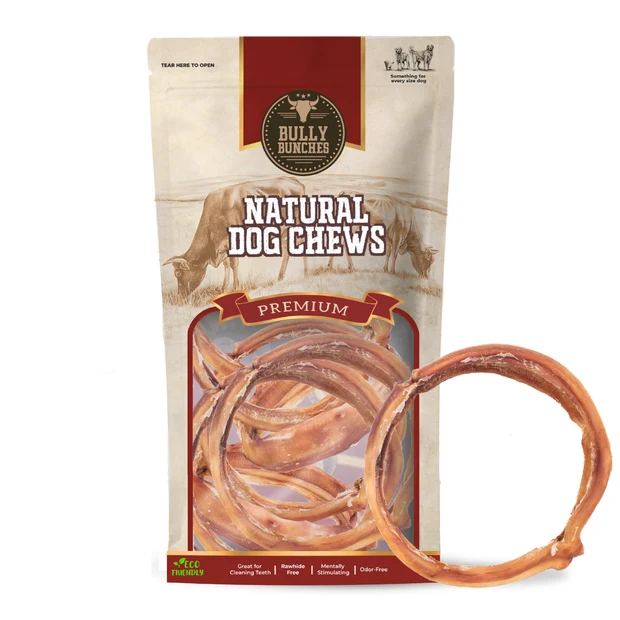
← All reviews
Dog gear · Reviewed October 2026

KONG Classic Dog Toy (Medium, 2-Pack)

The toy every other toy gets compared against — stuffed, frozen, thrown, and still in rotation after years with a driven sporting dog.

Red KONG Classic dog toy in Medium
SizeMedium · fits 15–35 lb dogs
Pack2-pack · red natural rubber
Price~CA$15–25 on Amazon.ca

Why I’m qualified to judge this toy

I own one, and my dog has put serious hours into it. Zibi is a 35-pound English field gun dog — the kind of dog who treats every object in the house as a chew-toy candidate until proven otherwise. The KONG Classic is the piece of equipment that’s been in rotation since she was young: stuffed frozen for quiet afternoons, thrown for fetch, kicked around the yard. It’s the toy every other toy gets compared against. Forty years of dog owners can’t all be wrong, and a couple years with a driven sporting dog confirms it. Here’s the honest breakdown.

Who this is for

Anyone with a dog who chews, plays fetch, or gets bored — which is nearly everyone. Especially valuable for crate training, separation-anxiety management, and rainy-day sanity (a frozen stuffed KONG is the cheapest dog-sitter there is). If you have a puppy, get the size up from what you think you need.

What I like

  • It’s the most versatile toy you can buy. Fetch toy, chew toy, boredom buster, slow feeder, training tool — the hollow center means it plays five roles that would otherwise take five products. Stuff it with kibble and a smear of peanut butter, freeze it, and you’ve got a 45-minute project for a restless dog. No other single toy covers this much ground.
  • The rubber formula is genuinely different. KONG’s red natural rubber isn’t just marketing — it has a bounce nothing else replicates, erratic enough to keep a dog engaged and soft enough not to wreck teeth or furniture. It’s non-toxic and non-splintering, which matters when your dog is the type to test every edge. For a power chewer, there’s the black Extreme line; for an average chewer like Zibi, the red Classic is the sweet spot.
  • Vet-recommended is earned, not bought. This is the toy shelters hand out to every kennel, the one trainers recommend for crate training, the one in every “best dog toys” roundup ever written. That consensus exists because the failure rate is close to zero — it works for almost every dog, almost every time. Products don’t get that reputation from advertising.
  • Dishwasher-safe is underrated. A stuffed KONG gets disgusting. Being able to throw it in the dishwasher instead of scrubbing peanut butter out of a crevice by hand is the kind of practical detail that matters after the hundredth use.
  • The price is almost unfair. One toy, ~$15–20, that lasts years and replaces several other purchases. On a cost-per-hour-of-entertainment basis, nothing in the dog world touches it.

What I do not

  • It’s not a fetch specialist. The bounce is unpredictable — great for play, less great when you want distance and consistency. For real fetch sessions, a dedicated ball (like the Chuckit! tennis balls) throws farther and flies truer. The KONG is the all-rounder; buy a ball for the outfield.
  • Sizing matters more than people think. Zibi is 35 pounds — the very top of the Medium band (15–35 lbs). Medium works for her, but if your dog is a strong chewer sitting at the top of a size band, go up a size. An undersized KONG is one a big dog can get their jaw around wrong, and the whole point is the shape doing the work.
  • A plain KONG is boring. Unstuffed, it’s a rubber snowman. The magic is entirely in what you put in it — if you’re not going to stuff it, you’re paying for potential you’re not using. Keep kibble, peanut butter, or treats on hand or it’s just a chew toy with good PR.

How it compares

vs. snuffle toys (e.g., fouFIT Hide ’n Seek): The snuffle ball is the better pure nose-work tool — scattering kibble through fabric folds exercises the brain differently than licking frozen peanut butter out of rubber. I own both and use both: the KONG for sustained solo occupation (crate, quiet time), the snuffle toy for active sniffing games. They complement, they don’t compete.

vs. dedicated fetch balls (Chuckit! tennis balls): For fetch, the balls win — better flight, better bounce consistency, launcher-compatible. For everything else, the KONG wins. If you’re buying one toy total, it’s the KONG. If fetch is the daily ritual, get the balls too.

Verdict

Buy it if: you own a dog. Full stop. It’s the single highest-value purchase in dog ownership — a chew toy, boredom buster, crate-training aid, and slow feeder in one, for the price of two coffees.

Skip it if: your dog genuinely doesn’t chew or play with toys (rare, and usually a training problem rather than a toy problem) — or if you need a dedicated fetch ball, in which case get the Chuckit! line instead.

The stat that matters: forty years on the market, still the first toy every trainer names. Some products are classics because of nostalgia. This one’s a classic because it works.

Sizing note: Medium fits 15–35 lb dogs. Zibi is 35 pounds — the very top of the band — and the Medium works for her; strong chewers at the top of a size band should size up to the Large.

Price shown is the Amazon.ca band for the Medium 2-pack at review time and may change.

← All reviews
Dog gear · Reviewed October 2026

Chuckit! Tennis Balls (Medium, 4-Pack)

Regular tennis balls grind down dogs’ teeth. These are built not to — non-abrasive felt over an extra-thick rubber core, and five months of daily fetch behind them.

Chuckit! Tennis Balls Medium 4-pack in orange
SizeMedium · 2.5 in, for dogs 20–60 lbs
BuildNatural rubber core · non-abrasive felt
Price~CA$10.99 on Amazon.ca

Why I’m qualified to judge this ball

Zibi — my 35-pound English field gun dog, two years old — is a fetch-driven spaniel, and these are her balls. I bought the Medium 4-pack in May 2026 and they’ve been the daily fetch rotation ever since: park sessions, backyard reps, water retrieves. I switched to them deliberately after learning what regular tennis balls do to dogs’ teeth, and I researched that claim properly before writing this (details below). Here’s the honest breakdown.

The empty Chuckit! Tennis Balls Medium 4-pack cardboard packaging, held in hand
The 4-pack card, emptied — all four balls are out in the rotation.

Who this is for

Anyone who plays fetch with their dog — which is most of us — and has been using regular tennis balls without thinking twice. If your dog is ball-obsessed and you go through balls regularly, this is a straight upgrade on safety for about eleven dollars.

What I like

  • It’s genuinely safer for teeth — and the science backs that up. This is the headline, so let me lay out what I verified. Regular tennis balls wear down dogs’ teeth: the felt acts like fine sandpaper on enamel, and it traps grit and dirt that make the abrasion worse — vets call the resulting wear pattern “blunting,” and the damage is irreversible once enamel is gone. Tennis balls are also pressurized, and strong-jawed dogs can compress them until they pop and lodge in the throat (the AVMA has documented fatal cases). Chuckit! tennis balls are built differently: a natural rubber core with an extra-thick wall, covered in a non-abrasive felt, and — as I understand it — not pressurized the way sports tennis balls are. One veterinary source I found specifically recommends the Chuckit! line as easy on dogs’ teeth. Zibi has chewed and carried these for months with zero tooth wear concerns — which is exactly the point.
  • It floats. The rubber core is buoyant, so water retrieves don’t end with you wading in after a sunk ball. For a spaniel that considers any body of water a personal invitation, this is a real feature.
  • You can actually find it. The bright orange and blue is dramatically easier to spot in grass than optic-yellow tennis-ball felt. Fewer lost balls per session is a quiet money-saver.
  • Launcher-compatible and properly sized. Medium is 2.5 in diameter, sized for dogs 20–60 lbs — right in Zibi’s weight class. It fits the standard Chuckit! launchers, which saves your throwing arm on long sessions.
  • The price is right. ~$11 for four balls. You’ll lose them to bushes and ponds long before they wear out, so the 4-pack format is the correct buying unit.

What I do not

  • It’s still a fetch ball, not a chew toy. Chuckit! says this explicitly: interactive play, not for chewing, always supervise. A determined chewer can strip the felt or split any ball — these included. If your dog’s idea of fetch ends with 20 minutes of gnawing, step up to the solid-rubber Ultra Ball (no felt at all) instead.
  • The felt will eventually wear. Months of carrying, mouthing, and ground contact thin the cover over time. That’s normal — the ball underneath is still a functional rubber ball — but budget for replacement a few times a year if your dog plays daily.
  • Not the bounciest option. The Ultra Ball out-bounces these noticeably. If maximum bounce is the priority (or your dog is a power chewer), that’s the better pick in the same product family.

How it compares

vs. regular tennis balls (~$1 each in a tube): Cheaper per ball, but the comparison ends there. Abrasive pressurized felt that grinds enamel, pop-and-lodge choking risk, sinks in water, nearly invisible in grass. The ~$2.75-per-ball Chuckit! premium buys out of all of that. This is the easiest upgrade in dog ownership.

vs. the Chuckit! Ultra Ball (~$5–6 per ball): The Ultra is the max-safety, max-durability option — solid rubber, zero felt, even bouncier, floats higher. For a power chewer or a dog that mouths balls constantly, that’s the better buy in the same product family. The tennis balls are the better value for normal fetch play and fly truer for dogs that like the felt texture. (Step-up pick, not in my own rotation — flagging it honestly as the expert recommendation, not personal use.)

Verdict

Buy it if: your dog plays fetch and you’re still using regular tennis balls. This is the single highest-value safety upgrade you can make for ~$11 — your vet will thank you, or at least stop giving you the look.

Skip it if: your dog destroys felt-covered balls or chews rather than fetches — get the Ultra Ball instead.

The stat that matters: one spaniel, five months of daily fetch, teeth intact, zero balls sunk. Retired the tennis-ball tube for good.

Price shown is the Amazon.ca price for the Medium 4-pack at review time and may change.

← All reviews
Dog treats · Reviewed October 2026Canadian company

Crumps’ Naturals Mini Trainers (Chicken, Semi-Moist)

The everyday training treat in my pocket for two years — genuinely mini, three calories apiece, and soft enough to reward without breaking stride.

Crumps’ Naturals Mini Trainers Chicken semi-moist dog treats, 132 g bag
Size132 g (4.7 oz) · Chicken
Price$9.99 CAD on Amazon.ca
My verdictThe daily-driver training treat

Why I’m qualified to judge this treat

Confirmed hands-on, and then some. These have been my dog’s everyday training treats since she was a young puppy. Zibi is a 35-pound English field gun dog, two years old now, and these are still the treats in my pocket on walks — the standard-issue reward for good behavior, recalls, and loose-leash check-ins. Two years of daily use, hundreds of bags’ worth of reps. I also keep a separate tier of higher-value treats for special sessions and attention-getting moments, which is exactly why I can tell you precisely where these sit in a training toolkit: they’re the workhorse, not the jackpot. Here’s the honest breakdown.

Who this is for

Anyone training a dog with food rewards — which should be nearly everyone with a puppy or young dog. Especially good for walk training, where you need a treat that’s small, fast to eat, and pocket-friendly. If you’re still using full-size biscuits snapped in half on walks, these will change your life.

What it does well

The size is exactly right for training. These are genuinely mini — small, soft cubes a dog can eat in one bite without stopping to chew. That matters more than people realize: on a walk, every second your dog spends crunching is a second the training moment decays. Zibi takes one of these and is instantly re-engaged. No crumbling, no crumbs in your pocket, no half-chewed bits dropped on the sidewalk.

Three calories per treat keeps the math honest. Training means volume — dozens of reps a day. At 3 calories each, you can reward generously without blowing up your dog’s diet. This is the single biggest advantage over “premium” treats that run 15–25 calories apiece and quietly turn your training program into a weight-gain program. Two years in, Zibi is still 35 pounds.

Soft and smelly enough to work, plain enough for every day. The semi-moist texture means they don’t turn to dust in a treat pouch, and they carry enough aroma to hold a spaniel’s attention outdoors — which, if you’ve ever tried to compete with squirrel scent, you know is no small thing. But they’re not so high-value that the dog loses her mind; she stays in thinking mode, not frenzy mode. That’s the correct arousal level for learning.

Clean ingredient story, Canadian-made. Zero artificial flavours or preservatives, and the packaging states made in Canada — the company (The Crump Group) is an Ontario-based, family-run Canadian company. For a treat you feed by the dozens daily, that provenance matters to me.

The price is fair for a daily-use treat. The Amazon link on this page goes to the 132 g (4.7 oz) bag at $9.99 CAD. At training volumes you’ll go through bags, but the per-treat cost stays reasonable — and the 35%-off first Subscribe & Save order takes real money off if you’re buying on repeat, which you will be.

What it doesn’t do

These are not high-value rewards. For recall emergencies, new environments, or competing with serious distractions, I reach for something smellier and rarer — freeze-dried single-ingredient treats, real meat. The Crumps’ are the salary, not the bonus. Every trainer needs both tiers; don’t expect these to cut it as the jackpot.

Semi-moist means they can dry out. Once opened, reseal the bag properly or they harden over a couple of weeks. Not a flaw exactly — it’s the nature of the format. Larger Trainers bags do turn up at pet retailers, but a bigger bag is only better value if you’ll actually use it within a few weeks — otherwise you’re paying for treats that harden in the cupboard.

Flavour loyalty is a thing. Zibi is a chicken-treat dog. The line comes in 5 flavours, but if your dog is picky, buy the small bag first before committing to the big one.

How it compares

vs. freeze-dried single-ingredient trainers (e.g., freeze-dried beef liver, ~1 calorie each): The freeze-dried options are the higher-value, purer treat — great as the “special occasion” reward. But they’re typically pricier per treat, crumblier in pockets, and honestly overkill for routine reps. I use both: Crumps’ for the daily grind, freeze-dried for the big moments. That’s the system that works.

vs. full-size soft treats / biscuits: Anything you have to break in half is already losing — inconsistent sizes, crumbs everywhere, too many calories per rep. Dedicated mini trainers win on every axis that matters for actual training.

Verdict

Buy it if: you train with food rewards and want a daily-driver treat that’s small, low-calorie, pocket-clean, and fairly priced. This is the treat equivalent of a good pair of walking shoes — unglamorous, used constantly, exactly right.

Skip it if: you need a jackpot-level reward for high-distraction work — get freeze-dried single-ingredient treats for that tier instead.

The stat that matters: two years, one spaniel, hundreds of walks, still the treat in my pocket. Training tools don’t survive that long unless they work.

Price shown is the Amazon.ca price for the 132 g (4.7 oz) bag at review time and may change.

← All reviews
Outdoor gear · Reviewed October 2026Canadian company

Mackage Moritz-X Parka

I own it, I wear it, and it has never disappointed me. It is exactly the jacket I want — deep-winter warmth that still looks sharp enough for dinner after the dog walk.

The Mackage Moritz-X as it arrived — open box with the branded dust bag inside
What I boughtMoritz-X · Black · Size 40
What I paidCA$2,190 at mackage.com
My rating9.5/10

Why I’m qualified to judge this parka

This one isn’t a professional evaluation from the sidelines — I own it. I ordered the Moritz-X in Black, size 40, on September 6, 2026, for $2,190, and I’ve worn it through real cold.

Here’s the part most reviewers would bury: at $2,190, this is a considered purchase, and I judged it like one — no flinching, no brand loyalty doing the scoring. It is, without qualification, exactly the jacket I want, and that standard is the most honest lens I can give you on a $2,190 parka.

Who this is for

Someone who needs a genuine deep-winter parka — rated to −25°C — that also looks like it belongs in the city. I walk around 10,000 steps a day with my dog, a 35-pound English field gun dog, and that doesn’t stop in January. If your winter involves daily outdoor time rather than car-to-office dashes, and you refuse to choose between warm and sharp, this is your category.

The Mackage garment bag the Moritz-X ships and stores in, laid out on a couch
The garment bag it ships in — proper storage is part of the product.
The Moritz-X worn with the hood up — silver fox fur trim framing the rabbit fur lining
Hood up: the silver fox trim over the rabbit fur lining.

What it does well

The warmth is real, not marketing. Rabbit fur lining through the body and hood, down-filled sleeves, storm cuffs, and a windproof shell. This is a Montreal company building for Montreal winters. The −25°C rating isn’t a tag number — it’s the difference between cutting a February walk short and finishing it.

The construction justifies the money. Leather trim on the double-entry pockets, leather drawcords at the waist, clean stitching throughout. Mackage has done this since 1999, and the Moritz-X feels like it in the hand. Nothing about it reads as $2,190 of branding over a $600 coat.

The pocket layout is genuinely thoughtful — and nobody talks about it. Four pockets down at the bottom where your hands go — one outside and one inside on each side. Then a breast pocket on the outside, plus two more inside that fit a wallet or phone securely. I didn’t discover the inside ones until I’d been wearing it a while. It’s the kind of detailing you only notice from actually living in it.

The interior is beautiful. No review mentions this, but the inside of this jacket is as well-finished as the outside. It’s the nicest jacket I’ve ever had on my body, full stop.

It doesn’t look like expedition gear. That’s the whole point of the Moritz-X. A Canada Goose Expedition keeps you warm and makes you look like you’re staging for Everest. The Moritz-X is a twill parka with a tailored silhouette — you can wear it to dinner after the dog walk without changing. The removable silver fox fur trim gives you two jackets in one: full trim for the coldest days, clean hood when you want it understated.

The fit works for layering. Relaxed fit, 42.5 inches long — covers a blazer or heavy sweater without pulling. Size 40 fit true with room for real winter layers.

What it doesn’t do

It costs $2,190. Let’s not dance around it. At full retail this is a considered purchase, not an impulse buy. The honest advice: if the timing works, buy it on sale — Mackage runs promotions and third-party boutiques mark it down, and the jacket doesn’t change between seasons.

Real fur is a dealbreaker for some buyers. Rabbit fur lining, silver fox trim — that’s the product. If animal fur rules it out for you on principle, no review will change that, and I’d rather say it plainly than bury it in the specs.

Maintenance is a commitment. Dry clean by a fur/leather specialist only. This is not a machine-washable parka you toss in with the laundry. Budget for specialist cleaning once a season and store it properly in summer.

It’s substantial, not packable. A relaxed-fit fur-lined parka has presence — and weight. If you want something that stuffs into a tote for travel, this is the wrong category entirely.

How it compares

vs. Canada Goose Expedition Parka (~$1,800–1,900 CAD): The Goose is the pure-function benchmark — warmer on paper, bombproof, and everywhere. That ubiquity is the problem: it looks like technical equipment. The Mackage is the style play that still handles real cold. If your priority is maximum warmth per dollar and you don’t care about the silhouette, the Goose wins. If you want to look like yourself while staying warm, the Mackage wins.

vs. Moncler (parkas $2,000+ CAD): Similar money, different philosophy. Moncler is fashion-first — impeccable branding, lighter insulation, built more for Alpine villages than Toronto sidewalks in February. For actual Canadian winter duty, the Moritz-X is the warmer, more honest garment at the same price.

vs. a mid-tier parka (~$400–600, e.g. The North Face McMurdo): Here’s the procurement math. A $500 parka replaced every 3–4 years costs you roughly the same per wear as a $2,190 parka worn for a decade — and the Mackage is built to last a decade. The mid-tier wins on upfront cash flow. The Mackage wins on warmth, materials, and still looking right in year eight. Buy the mid-tier if the budget is real; buy the Mackage when the sale hits.

Verdict

My rating: 9.5/10 — highly recommended. I love this parka, full stop. The only real knock is the price; everything else — the warmth, the construction, the fit, the look — earns the score.

Buy it if: you want one winter parka for the next ten-plus years, you spend real time outdoors in deep winter, and you care how you look doing it. Black, size 40 fit me true with layering room.

Skip it if: the budget is tight right now (wait for a sale instead), real fur is a non-starter for you, or you need something lightweight and packable.

The cost-per-wear case: $2,190 over ten winters of daily use is about sixty cents a day. That’s the math that makes the price make sense.

Available at mackage.com — CA$2,190 · No affiliate link — this one’s just too good not to review.
← All reviews
Dog gear · Reviewed October 2026

Chuckit! Ultra Ball (Medium, 2-Pack)

No felt, nothing abrasive against teeth — a solid natural-rubber fetch ball that bounces higher, floats higher, and shrugs off the mouthing that shreds felt balls. An expert evaluation, stated plainly: I haven’t thrown one myself yet.

Two Chuckit! Ultra Balls in bright orange and blue solid rubber
SizeMedium · 2.5 in (6.4 cm), for dogs 20–60 lbs
BuildSolid natural rubber · zero felt
Price~CA$7.99 on Amazon.ca

Why I’m qualified to judge this ball

Full honesty up front: this one is an expert evaluation, not a hands-on review — I haven’t tested an Ultra Ball myself. What I have done is the homework. Fetch is a daily ritual with Zibi, my 35-pound English field gun dog, and the Chuckit! Tennis Balls are her daily rotation — I researched the teeth question behind that switch properly, including the veterinary sources on enamel wear (the “blunting” pattern regular tennis-ball felt grinds into dogs’ teeth, irreversibly) before I wrote a word of it. Add 16-plus years of procurement work — assessing products on specs, build, and value is literally the job — and this is the ball that research keeps pointing to for a specific kind of dog. My tennis-ball review already names it as the step-up pick. Here it gets the full evaluation.

Who this is for

Dogs that fetch and chew — the ones that mouth the ball all the way back, carry it around the yard, or strip a felt ball down to rubber in a week. Anyone whose fetch game happens in or near water. If your dog retrieves cleanly and drops the ball at your feet, read the verdict before you spend — you may be better served by the cheaper felt balls.

What it does well

  • Zero felt — the teeth case, settled. The whole argument against regular tennis balls is the abrasive felt: it works like fine sandpaper on enamel and traps the grit that makes the wear worse. The Ultra Ball has no felt at all. It is solid natural rubber, so there is nothing abrasive against the teeth and nothing to strip off and swallow. For a dog that mouths and carries, this is the safest surface a fetch ball can offer.
  • Solid rubber durability. No pressurized core to pop, no cover to peel. A solid rubber ball takes the carrying, chomping, and squeezing that felt balls survive for weeks, and it keeps going. It is also kind to throw after throw — the weight and density feel like a ball, not a hollow shell.
  • The best bounce in the line. The Ultra Ball out-bounces the Chuckit! tennis balls noticeably — a livelier, higher rebound off grass and hard ground that keeps ball-driven dogs switched on. If your dog is the type that tracks bounce and hunts the second hop, this is the one.
  • Floats high, and you can see it. It rides high in the water rather than floating half-submerged — easier for the dog to spot and grab on a retrieve. On land, the bright orange and blue are high-visibility colours that stand out in grass the way a yellow tennis ball never does.
  • Launcher-compatible and cheap. Medium is 2.5 in (6.4 cm), sized for dogs 20–60 lbs, and fits the standard Chuckit! launchers, so your throwing arm survives long sessions. At ~CA$7.99 for the 2-pack — about $4 a ball — it is barely more than the felt balls and far cheaper than replacing them constantly.

What it does not

  • It is not a chew toy. Solid rubber is tougher than felt, but a fetch ball is a fetch ball. A determined chewer left alone with any ball will eventually take chunks out of it, and swallowed rubber is a vet visit. Supervise, and put it away when the game ends — same rule as every ball I recommend.
  • Felt balls fly truer. For a clean fetcher — retrieves, returns, drops — the tennis balls track straighter in the air and behave more predictably. The Ultra’s livelier bounce cuts both ways: more excitement, less precision. Clean fetchers don’t need to pay for durability they’ll never test.
  • No squeak. If your dog is squeak-motivated and works for the noise, this ball is silent rubber and won’t do that job. It is a pure fetch tool.

How it compares

vs. the Chuckit! Tennis Balls (Medium, 4-Pack, ~CA$10.99): My daily rotation, and the hands-on pick — non-abrasive felt over an extra-thick rubber core, and the right ball for most fetch games. The tennis balls fly truer and cost less per ball. The Ultra Ball wins on teeth safety (zero felt beats non-abrasive felt), on durability against mouthing and shredding, on bounce, and in the water. The deciding question is what your dog does with the ball after the catch.

vs. the KONG Classic (~CA$15–25): Different jobs, both worth owning. The KONG is the stuffable all-rounder — chew toy, boredom buster, crate aid — and its bounce is erratic by design. The Ultra Ball is a dedicated fetch ball: proper flight, proper bounce, launcher-compatible. KONG for the house, Ultra for the field.

Verdict

Buy it if: your dog mouths, carries, or shreds fetch balls; fetch happens in or near water; or you want the highest-bouncing, longest-lasting ball in the Chuckit! line at about $4 a ball.

Skip it if: your dog is a clean fetcher who retrieves and drops — get the Chuckit! Tennis Balls instead. They fly truer, cost less per ball, and they’re what I throw every day.

One last note, because it matters on this site: this review is an evaluation, not a field report. When an Ultra Ball joins the rotation, this page gets updated with hands-on notes — good or bad.

Price shown is the Amazon.ca price for the Medium 2-pack at review time and may change.

← All reviews
Dog treats · Reviewed October 2026Canadian company

PureBites Beef Liver Dog Treats (Freeze-Dried)

One ingredient — 100% pure beef liver, freeze-dried. This is the jackpot tier of a two-tier treat system: too rich for every rep, exactly right for the reps that matter.

Freeze-dried beef liver dog treat pieces
FormatFreeze-dried · single ingredient
VariantMini Trainers · beef liver
Price~CA$11.99 on Amazon.ca

Why I’m qualified to judge this treat

I run a two-tier treat system, and I’ve written about it before: Crumps’ Naturals Mini Trainers are tier one — the daily-driver reward in my pocket for two years of walks with Zibi, my 35-pound English field gun dog. Tier two is the jackpot: a separate, higher-value treat reserved for special sessions and attention-getting moments, and in my system that tier is freeze-dried single-ingredient treats. This review is a category evaluation of the product that defines that tier. PureBites beef liver is the benchmark — the name trainers reach for when the everyday treat stops working — and it earns that spot on a spec sheet that is one line long.

Who this is for

Anyone training through distraction — recall at the dog park, focus work around other dogs, the moments where the regular treat gets sniffed and ignored. Picky eaters who turn their nose up at ordinary rewards. And dogs on elimination diets or limited-ingredient protocols, where “what else is in it?” is the whole question.

What it does well

Single ingredient, full stop. 100% pure beef liver, freeze-dried. No fillers, no glycerin, no preservatives, no ingredient panel to decode. For an elimination diet, that purity isn’t a nice-to-have — it’s the entire point. You know exactly what your dog ate, because there is exactly one thing in the bag.

The jackpot actually works. Liver is about as high-value as a treat gets. The aroma and taste cut through distractions that make an everyday trainer invisible — this is the reward that brings a spaniel back through a field of interesting smells. That is the job of tier two, and nothing cheaper does it as reliably.

Lightweight, pocketable, breaks cleanly. Freeze-drying takes the water out and leaves the value in, so a working supply weighs almost nothing in a pocket or pouch. The pieces break cleanly by hand into training-sized bits, so one piece becomes several reps without a knife, a cutting board, or a greasy handful.

It’s a Canadian company. PureBites is made by Pure Treats Inc. — Canadian-owned, headquartered in Vaudreuil-Dorion, Quebec, since 2005. The honest detail, because this site deals in those: the liver is freeze-dried in Texas and packaged in Quebec. That’s why the badge on this review says “Canadian company” and not “Made in Canada” — the company is Canadian, and the freeze-drying happens stateside. I’d rather tell you that than let a maple leaf do quiet exaggerating.

What it doesn’t do

Liver is rich — start small. Organ meat is potent. Too much, too fast, and you’re looking at loose stools and a dog who feels it. Introduce it gradually, keep portions small, and remember this is a seasoning for training, not a food group. A little goes a very long way — which is fortunate, given the next point.

It’s crumbly in pockets. Freeze-dried pieces shed crumbs and dust as they knock around. This is not the pocket-clean treat — that’s the Crumps’. Carry these in a treat pouch or a small bag, or accept that your coat pocket will smell like a jackpot for a week.

Pricier per rep, by design. Around CA$11.99 for the mini trainers. You are paying for purity and for value-per-rep in the moments that decide whether training sticks. Burning through these on routine reps is like paying bonus rates for ordinary hours — the two-tier system exists precisely so you don’t.

Raw-product handling applies. This is a raw freeze-dried product. Wash your hands after handling, reseal the bag, and store it dry. Standard hygiene for raw treats — not a reason to avoid it, just part of using it properly.

How it compares

vs. Crumps’ Naturals Mini Trainers (Chicken): Not rivals — tiers. The Crumps’ are the salary: 3 calories, soft, pocket-clean, priced for dozens of reps a day. The PureBites are the bonus: deployed when the salary stops motivating. If you only buy one, buy the Crumps’ — volume training is most of training. If your dog has started ignoring the everyday treat at the exact moment you need her most, this is the upgrade.

vs. real meat (cooked chicken, hot dogs, cheese): The classic trainer’s jackpots, and they work. They’re also perishable, greasy in a pocket, and need a fridge and ten minutes of prep before every session. Freeze-dried liver gives you comparable pulling power shelf-stable, feather-light, and ready in the pouch by the door. Real meat wins on price per kilo; PureBites wins on every logistical axis there is.

Verdict

Buy it if: you need a jackpot-tier reward — recall proofing, high-distraction training, a picky eater, or an elimination diet where single-ingredient purity is non-negotiable.

Skip it if: you need an everyday training treat. Get the Crumps’ Mini Trainers instead — that’s tier one, and it’s the right tool for the daily grind.

The system that works: an honest everyday treat for the reps, and something that smells like a celebration for the moments that matter. This is the celebration.

Price shown is the Amazon.ca price for the Mini Trainers at review time and may change. Company details: Pure Treats Inc., Vaudreuil-Dorion, Quebec.

← All reviews
Dog gear · Reviewed October 2026

Wuglo Extra Stable Dog Car Seat

Most dog car seats are soft-sided boxes that slide across the bench the moment you brake or corner. This one is built around a rigid bar frame — and Zibi rides in it.

Wuglo Extra Stable Dog Car Seat in black, strapped into a car back seat
SizeLarge · Black — for dogs up to ~50 lbs
Build4 vertical + 4 horizontal support bars · 4 straps
My verdictThe car seat that doesn’t slide

Why I’m qualified to judge this seat

I’ve hauled a 35-pound gun dog around in the back of a car for years, and I’ve tested the car-seat category the way you’d test anything that has to work at 100 km/h: does it stay put when you brake, does it stay put when you corner, and does the dog actually settle in it. Most dog car seats fail the first two — they’re soft-sided boxes that slide across the bench seat the moment you take a corner with any enthusiasm. The Wuglo is the answer to that specific problem, and I know because Zibi rides in one. Here’s the honest breakdown.

Who this is for

Anyone whose dog rides in the back seat and won’t settle — the pacers, the seat-hoppers, the dogs that end up in the footwell at every stoplight. Also for owners who want their upholstery to survive: muddy paws, wet coats, shedding season. If your dog is under ~50 pounds and you drive anywhere regularly, this is the category to look at.

What it does well

  • The bars are the whole point. Four vertical and four horizontal support bars give the seat a rigid frame. That’s the engineering difference: soft-sided seats deform and slide when the car moves; this one holds its shape through braking and cornering. Zibi feels the difference — a seat that doesn’t shift under her is a seat she’ll actually lie down in instead of bracing against.
  • Four straps, actually anchored. Most booster seats have two straps and a prayer. The Wuglo has four fastening straps with an anchoring system that ties into the seat itself. Installation takes minutes, and once it’s in, it doesn’t migrate across the bench. That’s the test that matters, and it passes.
  • 100% waterproof. Wet dog, rainy trailhead, post-swim pickup — the seat handles all of it. The waterproofing isn’t a coating that wears off after three washes; it’s the material. For a dog that swims, this is non-negotiable, and it’s the reason the seat earns its place in my car year-round.
  • Gives the dog a defined space. This is the underrated benefit. A dog with a clear “this is your spot” settles faster than a dog with the whole back seat to patrol. Zibi knows the seat is hers — she gets in, turns around once, and lies down. The containment is psychological as much as physical, and it makes every drive calmer.

What it doesn’t do

  • It’s not a crash-tested restraint. Be clear about this: the Wuglo is a comfort and containment seat, not a safety device. It keeps the dog in one place and off your upholstery. If you want crash protection, you need a crash-tested harness tethered to the seatbelt system — a different product for a different job. Don’t confuse the two.
  • Takes up a full seat. The rigid frame that makes it stable also makes it bulky. One seat is gone — if you regularly carry four passengers plus the dog, do the math before you buy. The bars do come out for storage, which helps, but assembled, this is a one-seat commitment.
  • Assembly required. The bars need to go in before first use, and at least one of them can be stubborn — Canadian reviewers have flagged this. It’s a five-minute job, not a dealbreaker, but don’t expect to unbox and drive.

How it compares

vs. generic soft-sided booster seats: The generic boosters are cheaper and lighter, and they fold flat for storage. They also slide. Every single one I’ve tried migrates across the bench seat under braking — the dog feels it, braces, and never settles. The Wuglo costs more and takes more space, but it’s the only one in this style that actually stays put. Stability is the product; everything else is packaging.

vs. a crash-tested harness setup: A crash-tested harness (tethered to the seatbelt) is the safety gold standard — it’s what you buy when the priority is surviving an accident. But harnesses don’t protect your seats, don’t give the dog a bed-like space, and some dogs hate the restriction. Different jobs: harness for safety, Wuglo for comfort, containment, and upholstery survival. I run the seat for daily driving; the distinction matters.

Verdict

Buy it if: your dog won’t settle in the back seat, your upholstery is losing the war against mud and hair, or you’ve tried a soft booster and watched it slide. The bar-reinforced frame is a genuine engineering advantage in a category full of floppy boxes.

Skip it if: you need crash protection (get a crash-tested harness instead), you can’t spare a full seat, or your dog already rides calmly on a simple seat cover — in which case the KONG Travel Single Seat Cover does the upholstery job for less.

The stat that matters: four bars, four straps, zero slide. In a category where everything moves, the thing that doesn’t is the thing to buy.

Wuglo is a European brand (UAB PREPA, Lithuania). The seat carries a full satisfaction guarantee — return it for a full refund if it doesn’t work out. Check the Amazon.ca listing for current price and availability.

← All reviews
Dog gear · Reviewed October 2026

KONG Travel Single Seat Cover

A full back-seat hammock protects everything — until you need to carry people. This covers exactly one seat, keeps it permanently dog-ready, and leaves the rest of the car civilized.

KONG Travel Single Seat Cover in black, fitted over one car seat
FormatSingle seat — not a full bench cover
InstallHeadrest straps · on or off in under a minute
My verdictOne seat, always dog-ready

Why I’m qualified to judge this cover

I protect car seats the way I evaluate all gear: against the actual enemies — mud, hair, claws, and the wet-dog aftermath of a trailhead pickup. I’ve run full back-seat hammocks, I’ve run the Wuglo car seat, and I run this KONG single-seat cover. Each one has a job. This one’s job is the simplest and the most common: keep one seat dog-ready without surrendering the whole back row. Here’s the honest breakdown.

Who this is for

Dog owners who drive with passengers. That’s the whole pitch: the full back-seat hammock is great until you need to carry actual humans, and then you’re either removing it or folding a friend into the footwell. The single-seat cover keeps one seat permanently dog-proof while the rest of the car stays civilized. If your dog rides shotgun in the back on the regular but you also have a life involving other people, this is your format.

What it does well

  • One seat, not the whole car. This is the format decision that matters. The cover protects a single seat — the dog’s seat — and leaves the rest of the back row untouched. No wrestling a full hammock on and off when plans change. The dog’s spot is always ready; the human spots always are too.
  • KONG builds things to survive dogs. The brand’s reputation is chew-proof rubber, but the durability ethos carries across the line. The cover material stands up to claws, muddy paws, and the general abrasion of a 35-pound dog scrambling in after a beach run. It doesn’t pill, doesn’t tear at the anchor points, and wipes clean.
  • Install and remove in under a minute. Headrest straps and seat anchors — no tools, no instructions you’ll actually need to read. It goes on when the dog’s riding and comes off when you want the seat back to factory condition. That ease is what makes it a daily-use item instead of a special-occasion one.
  • Hair and mud stay on the cover, not the seat. The obvious job, done well. Sporting-dog owners know the math: one wet beach walk can end a cloth seat. The cover takes the hit, shakes out or wipes down, and the upholstery underneath stays new. That’s the entire value proposition, and it delivers.

What it doesn’t do

  • It’s a cover, not a bed. There’s no padding to speak of — it protects the seat, it doesn’t cushion the dog. If your dog needs a defined, comfortable space to settle, that’s the Wuglo car seat’s job, not this. Pair them if you want both; don’t expect one product to do both.
  • Single seat only. By design, but worth stating: the rest of the back seat is unprotected. A dog that roams across the whole bench will defeat the purpose. This cover assumes your dog stays in their spot — which, paired with a car seat or a trained “place,” is a fair assumption, but it’s an assumption.
  • No side protection. Doors, seatbacks, the gap between seats — the cover handles the seat surface and that’s it. Muddy paws on the door panel are still your problem.

How it compares

vs. full back-seat hammock covers: The hammock covers more — the whole bench, the footwell gap, sometimes the seatbacks. They’re the right call if the dog gets the entire back seat and passengers are rare. But they’re bulkier, slower to install/remove, and they announce “dog car” to every passenger. The KONG single-seat is the commuter’s answer: less coverage, far less friction. Choose based on how often humans ride along.

vs. the Wuglo Extra Stable Dog Car Seat: Different jobs entirely, and they complement each other. The Wuglo gives the dog a rigid, defined space to settle — comfort and containment. The KONG cover protects the seat surface — upholstery insurance. I run both: the Wuglo is Zibi’s spot, the KONG cover is what the seat underneath looks like after two years of beach runs (new). If you have to pick one, pick based on the problem: restless dog, get the Wuglo; pristine seats, get the KONG.

Verdict

Buy it if: your dog rides in the back seat regularly, you carry human passengers too, and you want one seat permanently dog-proofed without the hassle of a full hammock. It’s the lowest-friction seat protection in the category.

Skip it if: the dog gets the whole back seat (get a full hammock instead), or your dog needs a padded, defined space to settle (get the Wuglo car seat — or run both, like I do).

The stat that matters: one seat, always ready, zero wrestling. The best protection is the kind you never have to think about.

KONG is a US brand. Check the Amazon.ca listing for current price and availability.

← All reviews
Dog gear · Reviewed October 2026Canadian company

Säker IP68 Waterproof Dog Collar Holder for AirTag — 2 Pack

An AirTag only earns its place on a collar if the holder survives the dog wearing it. This one seals the tag inside a screw-together waterproof case — and Zibi has been soaking it on walks ever since it went on her collar. It’s great. I really like it.

Säker waterproof AirTag collar holder in black, mounted on a black dog collar, with the second holder open showing an AirTag inside
Format2-pack · AirTag not included
Price~CA$25.95 on Amazon.ca
My verdictSoaked regularly, still sealed

Why I’m qualified to judge this holder

Zibi is a 35-pound English field gun dog, and she wears an AirTag on her collar — cheap insurance for a dog whose favourite hobby is following her nose. The weak link in that setup was never the AirTag; it was the holder. A holder that pops open in the brush or lets water in turns a tracking system into a small plastic souvenir somewhere on the trail. This Säker holder is the one she actually wears, and here’s the honest breakdown.

The field test: it gets soaked, constantly

The headline claim is IP68 waterproofing, and claims are cheap. Here is the actual test: Zibi gets this holder totally soaked on about half of our walks — rain, puddles, wet grass, the full spaniel weather report. The AirTag inside stays dry. That is not a lab rating anymore; that is a season of real walks.

And when the holder comes home filthy — mud, slime, whatever the trail offered — it washes clean with soap and water, no problem. No disassembly ritual, no special cleaner. Rinse, wash, back on the collar. A waterproof holder that couldn’t itself be washed would be a poor joke; this one treats soap and water as routine, because for a dog like Zibi, it is.

Who this is for

Anyone who runs an AirTag on a dog that actually goes outside. Especially dogs that swim, splash, roll, or treat rain as a personal insult to be ignored. If your dog’s walks are dry pavement only, a cheaper fabric pouch will do — but the moment water enters the picture, a sealed holder is the difference between tracking your dog and tracking where the holder fell off.

What it does well

  • The waterproofing is real. IP68-rated and, more importantly, proven in use: totally soaked on roughly half our walks, and the tag inside stays dry. It’s dustproof too, for the dogs that dig.
  • It doesn’t damage the collar. The holder mounts without piercing or screwing into the collar itself — no holes, no hardware chewing through the strap. Your good collar stays a good collar.
  • Fits collars up to 1.5 inches wide. That covers the large majority of everyday and field collars, including Zibi’s. Check your collar width before ordering; that’s the one measurement that matters.
  • The AirTag still works properly. The case doesn’t reduce tracking range and doesn’t muffle the AirTag’s sound — you can still hear the chime when you play it, which is the moment the whole system is for.
  • The 2-pack is genuinely useful. One on the everyday collar, one spare for a second collar or as a backup. At ~CA$25.95 for two (a single runs ~$15.95), the pair is the better math.
  • Lifetime guarantee. Säker backs the holder with a lifetime guarantee. For a small plastic part that lives a hard life on a dog’s neck, that’s the right kind of confidence.
  • It’s a Canadian company. Säker is designed in Montreal — the holder itself carries the “Designed in Montreal” mark. That’s why the badge on this review says “Canadian company.”

What it doesn’t do

  • AirTag not included. Stated plainly because it matters for the budget: the ~CA$25.95 buys two holders. The AirTag itself is a separate purchase from Apple.
  • It adds bulk to the collar. A sealed, screw-together case is bigger than a fabric pouch. On a 35-pound dog it’s a non-issue; on a very small dog, check the proportions before you commit.
  • Swapping the AirTag takes a minute. The case screws together — which is exactly why it seals and stays shut — so a battery change means finding the small screws’ driver and taking your time. Do it at the kitchen table, not the trailhead.

Verdict

Buy it if: your dog wears an AirTag and gets wet — on walks, in the water, in the mud. The 2-pack is the version to get: one in service, one in reserve, and a lifetime guarantee behind both.

Skip it if: your dog never leaves dry pavement and a simple fabric holder is already holding up — or your collar is wider than 1.5 inches, in which case measure first and look at Säker’s sizing carefully.

The stat that matters: soaked on half our walks, washed with soap and water, tag dry every time. It’s great — the rare accessory claim that survives contact with an actual dog.

Rated 4.4 out of 5 stars from 2,417 reviews on Amazon.ca at review time. Price shown is the Amazon.ca price for the 2-pack at review time and may change. AirTag is a trademark of Apple; the AirTag itself is not included.

← All reviews
Dog gear · Treat pouch

Ruffwear Treat Trader Treat Pouch

The treat pouch that lives on my belt. A magnetic closure that stays open when I need a treat fast and snaps shut when I don’t, a separate zippered pocket for poop bags, and a lining that never holds a smell. I’ve owned two of the grey ones — here’s why.

Ruffwear Treat Trader treat pouch in grey, showing the zippered front pocket
VariantGrey · also in teal/magenta
My rating9 / 10
My verdictThe daily-driver treat pouch

Why I’m qualified to judge this pouch

This is hands-on, and then some: I’m on my second grey Treat Trader. The first one held up well enough over daily use that when it was time, I bought the same pouch again — and I keep training treats on me for every walk with Zibi, my 35-pound English field gun dog, so this pouch works for a living. It’s also the rare product I’ve bought a third time in another colour — more on that below.

The magnetic closure is the whole point

Plenty of treat pouches close with a drawstring or a spring hinge. The Treat Trader uses a magnetic closure, and in daily practice it’s genuinely useful. It holds the mouth of the pouch open while you’re working — no fumbling with a cord mid-rep, one hand in and out for a quick grab — and then snaps shut with a nudge, so treats aren’t spilling down the trail every time you bend, jog, or clip the leash. Open when you want it, closed when you don’t, with no spare hand required either way. On a walk with a dog at the end of a leash, that spare hand doesn’t exist. The magnet earns its keep.

What goes in it

Most days the main compartment carries Crumps’ Naturals Mini Trainers — the everyday training treat in my rotation, small and pocket-clean. On longer walks, when I need Zibi’s full attention, I load the higher-value “special” treats instead — the ones reserved for when the everyday reward has to compete with a whole field of distractions. The pouch handles both loads the same way: quick access, no spillage, nothing rattling around in a coat pocket.

The poop-bag pocket, sized honestly

There’s a separate zippered pocket on the front, and mine is always stocked with Earth Rated poop bags — treats in the main compartment, bags in theirs, never mixed. Sizing, from actual use: the pocket fits two to three bags, and two is the comfortable number. Pack two and you’re set for a normal walk; squeeze in a third if the route is long. It’s a walk-length supply, not a weekend stockpile, and that’s the right size for what this pouch is for.

Carry it how you walk

Two carry options cover most setups: a belt clip that hooks on in a second, and an adjustable waist strap if you’d rather wear it on its own. I clip it and forget it — it rides flat, doesn’t bounce, and the drawcord-free top means nothing snags on brush or a jacket hem.

Cleanup is where it quietly wins

Treat pouches get gross. This one mostly doesn’t. Crumbs dump straight out with a shake and a tip — no seam traps hoarding a stale layer at the bottom — and the interior doesn’t turn oily or hold onto that old-treat smell, even with daily use. It’s washable when it does need a proper clean. After two pouches’ worth of walks, the lack of funk is the detail I notice most.

The second colour — and the gift angle

The grey one is mine. The teal/magenta one I bought as a gift for a fellow dog owner, because “would I hand this to another trainer?” is the most honest endorsement test there is — and it passed. If you’re shopping for the dog person in your life, this is a good gift pick for fellow dog owners: useful on day one, no sizing guesswork, and a colourway that feels like a gift rather than a restock.

What I like

  • The magnetic closure, in practice. Stays open for quick grabs while you’re working the dog, snaps shut so treats stay put. No drawstring to fumble, no hand wasted.
  • It holds up — I’ve owned two. Two grey pouches, bought one after the other, both standing up to daily walks. That repeat purchase is the review in one sentence.
  • A real, separate poop-bag pocket. Zippered, up front, and sized for 2 Earth Rated bags comfortably (3 at a squeeze). Bags and treats never share space.
  • It doesn’t get gross. Crumbs dump out cleanly, the lining doesn’t go oily or hold smells, and it’s washable when needed.
  • Clip it or strap it. Belt clip for everyday pants-and-go, waist strap when you want it worn on its own.
  • Gift-proven. I bought the teal/magenta as a gift for a fellow dog owner. Gear I give away is gear I’d defend.

What I do not

  • The bag pocket is walk-sized. Two bags comfortably, three at a push. For a long hike, carry spares somewhere else.
  • One main compartment. Everyday treats and high-value specials share a single space — you load for the walk you’re taking, or you mix. A divided interior would be nice.
  • Premium price for a pouch. It costs more than a basic drawstring treat bag. The closure and the build are where the money goes — decide if that trade matters to you.

Verdict

Buy it if: you train or reward on every walk and want one-hand access that actually works, your current pouch reeks of old treats, or you’re after a gift for a fellow dog owner that will get used the same day it’s opened. Grey is the daily driver; teal/magenta is the gift colourway.

Skip it if: you only reward occasionally (a pocket does the job), you need to carry a day’s worth of poop bags in the pouch itself, or you want separate compartments for treat tiers.

9/10. Two owned, one gifted, zero drawstrings missed. The Treat Trader is what a treat pouch looks like when someone who trains daily designs the details — magnet, pocket, and a lining that stays clean.

Ruffwear is a US company; purchases here are through Amazon Associates. Check the Amazon.ca listings for current prices and availability.

← All reviews
Golf gear · Reviewed October 2026

Titleist Pro V1 Golf Balls

The ball I have played since my second year of university — through my whole professional playing and teaching career, and still today. This is why it has never left the bag.

Titleist Pro V1 golf balls — black dozen box with silver Titleist script and the Pro V1 wordmark
What I playPro V1 · One dozen
PriceCA$77.99 at Golf Town
My verdictThe ball. Full stop.

The short version

Some gear you evaluate. Some gear you simply play, for decades, without ever seriously considering anything else. The Pro V1 is the second kind. It has been my ball since my second year of university, it was my ball all through my professional playing and teaching career, and it is the ball in my bag today. That is not nostalgia — golf balls are the one piece of equipment you use on literally every shot, and a former pro does not keep a ball in play for that long out of habit. It stays because it keeps earning the spot.

Why it stays in the bag

The Pro V1's whole case is balance. It is long off the tee without being hard, it holds its line in the wind, and around the green it checks and feels the way a scoring ball should — soft off the putter face, responsive off a wedge. Cheaper balls give you one of those things. Distance balls fly and then refuse to stop; bargain urethane balls feel fine and give up yards. The Pro V1 is the rare ball that does not ask you to pick which part of your game to sacrifice.

Consistency is the other half of it, and it is the half amateurs underrate. A dozen Pro V1s behave like the same ball twelve times. When you have played a ball for years, your distances, your check, your rollout are known quantities — that familiarity is worth strokes, and it is why tour players are so loyal to a ball model. I know exactly what mine will do. That certainty is the product.

What I like

  • The complete game. Distance, flight, spin, and feel in one ball — no trade-off hole in its game from tee to green.
  • Ball-to-ball consistency. Every ball in the dozen performs like the last one. Your numbers stay your numbers.
  • Feel where it scores. Soft and responsive on putts and short-game shots, which is where rounds are actually made.
  • Proven at every level. The most played ball in professional golf for a reason — and my own ball since university, through a pro career, and still today.

What I do not

  • The price is real. CA$77.99 a dozen at Golf Town is premium money. If you lose three balls a round, play something cheaper until you don't — no ball fixes that math.
  • It will not forgive a bad swing. A tour-level ball shows you your misses honestly. High-handicap players chasing pure distance may get more help from a lower-compression ball.

Pro V1 or Pro V1x?

The honest answer is that I have played both extensively, and both are excellent. The Pro V1x flies higher, feels firmer, and spins a touch more on full iron shots. The Pro V1 flies on a slightly lower, more penetrating line and feels softer. My preference is the Pro V1 — it is the flight and feel I have trusted since university — but this is a fit question, not a quality question. If you like a higher ball flight and a firmer feel, take the V1x and never look back. If you want the softer feel and the flight I play, this is the one.

The gift case

One more thing this ball does better than almost any golf gift: it is always right. Golfers are impossible to buy for — clubs are personal, gloves are sized, apparel is a guess. A dozen Pro V1s is the ball the recipient most likely already plays, in the box they would buy themselves. For Christmas, Father's Day, or a birthday, it is the rare golf gift that gets used with genuine pleasure instead of politely returned. It is my number-one golf gift pick, and it is not close.

Pro V1 or Pro V1x — which one should you play?

Same family, same price, two different golf balls. The Pro V1 reviewed here is the one in my bag, and has been since my second year of university — through a playing and teaching career and still today. The Pro V1x is its sibling, and the choice between them is the question I'm asked most often by students and playing partners alike.

The short version: the Pro V1x flies higher, feels firmer, and spins more on iron shots. The Pro V1 flies on a flatter, more penetrating window, feels softer, and — for my game — checks and releases around the green exactly the way I expect. Construction tells the story: the V1 is a three-piece ball; the V1x adds a dual-core, four-piece build aimed at higher ball speed and a higher launch.

Play the Pro V1x if your iron shots fly too low, if you want the ball to climb and land steep, or if you generate plenty of speed and prefer a firmer click at impact. Play the Pro V1 if you flight the ball up already, like a softer feel on the putter and around the green, and want the flatter trajectory in the wind.

Neither is "better" — they're fitted answers to different ball flights. Mine is the Pro V1, and it isn't close for my game. If yours is the higher flight, the V1x is the same money and the same tour-level cover:

Verdict

Buy it if: you play enough that your ball matters, you want one ball for the whole game, or you are buying for a golfer and want the gift that cannot miss.

Skip it if: you are losing multiple balls a round (fix that first, with cheaper ammo) or you are brand new to the game.

My rating: the ball I have trusted since my second year of university and all through my pro career. Still is.

Watch: the lake drive

Some drives stay with you. We filmed the Pro V1 by the water — the full drive runs as a Reel on our Instagram.

Titleist Pro V1 dozen box standing by the lake under a clear blue sky
The Titleist Pro V1 by the lake — scenery, sky, and the box. Watch the lake drive on Instagram →
Titleist Pro V1 golf balls — black dozen box with silver Titleist script and the Pro V1 wordmark
← All reviews
Outdoor gear · Reviewed October 2026

YETI Rambler 20 oz Tumbler with MagSlider Lid

I own a bunch of them — I've had them for years, and they're great for coffee and cold drinks. The buy-once tumbler, with one honest limit every buyer should understand before spending the money.

YETI Rambler 20 oz Tumbler with MagSlider Lid in black — tapered stainless tumbler with clear MagSlider lid and YETI logo
ModelRambler 20 oz · MagSlider Lid
PriceCA$45.00 on Amazon.ca
My verdictThe buy-once tumbler · 9/10

Why I'm qualified to judge this tumbler

Sixteen-plus years in procurement teaches you one skill above all others: spotting the difference between a price and a cost. This tumbler is the lesson in cup form. I own a bunch of them — I've had them for years, and they're great for coffee and cold drinks, which is the entire job description. They've survived daily use, dishwashers, car cupholders, golf carts, and being knocked off tailgates onto gravel. Here's the honest breakdown — including the one limitation every buyer should understand before spending the money.

Who this is for

Anyone whose drink rides along with the day: commuters, golfers, dog walkers doing the morning loop, desk workers who refill twice. If you've bought three cheap insulated tumblers in three years, this review is really about your math.

What I like

  • The insulation is the real thing. Double-wall vacuum insulation around an 18/8 stainless steel body. Coffee poured at 7 a.m. is still properly hot late morning; ice water is still cold after eighteen holes. This isn't "lukewarm by the back nine" performance — it holds temperature through a workday or a round without thinking about it.
  • No Sweat exterior. The outside stays dry — no condensation rings on the desk, no wet hand, no coaster economy required. Small thing, daily benefit.
  • The MagSlider lid is the best splash guard in the business. The magnetic slider glides open and shut with one thumb, keeps drinks from sloshing out over bumps and cart paths, and — this matters more than it sounds — the slider pops right off for cleaning. No gunk trapped in a sliding mechanism you can't open. The whole tumbler and lid are dishwasher safe.
  • DuraCoat holds up the way the brochure claims. The coloured finishes don't peel, crack, or fade. Years of daily use and dishwasher cycles in, mine still look presentable rather than battle-scarred — and the stainless versions are effectively indestructible.
  • Twenty ounces is the sweet spot. A large coffee or a full cold drink lands in one fill, the tapered body fits standard cupholders in the car and on the cart, and it never feels like you're carrying a thermos as a lifestyle statement.
  • The durability math wins. A $45 tumbler that works for years costs less per year than the $15 tumbler you replace every eighteen months when its lid cracks and its coating peels. I've run that experiment on both sides. This is the buy-once answer.

What I do not

  • The MagSlider lid is NOT leakproof — this is the important part. It is a splash guard, not a seal. YETI says so plainly, and they're right: tip this tumbler over and it spills. Lay it loose in a gym bag, a tote, or a golf bag pocket and it will leak into whatever's in there. The design brief is "upright in a cupholder," and within that brief it's excellent. Step outside it and you'll be mopping. If your drink has to travel sealed inside a bag, you want a bottle with a real cap, not this tumbler.
  • Ice margin in extreme heat is good, not infinite. Through a workday or a round, no complaints. For all-day ice across a 35-degree double-header, the 30 oz Rambler's extra volume carries more ice and more margin. The 20 is the daily driver; the 30 is the expedition size.
  • It costs real money for a cup. Roughly triple the budget tumblers at the checkout rack. The value case is entirely in the years — if you'll lose it in a month, buy the cheap one and lose that instead.

How it compares

vs. budget insulated tumblers (~$12–20): they hold temperature fine when new, then the lids crack, the coatings peel, and the vacuum goes soft. Three budget tumblers deep, you've spent Rambler money and own three disappointments. The Rambler is the exit from that cycle.

vs. the YETI Rambler 30 oz: same build, same lid system, half again the capacity. Better for long days and serious ice; noticeably bulkier in the hand and less universally happy in smaller cupholders. Own the 20 for every day; add the 30 only if your days regularly outlast it.

Verdict

Buy it if: your drink lives in a cupholder — car, cart, or desk — and you want one tumbler that keeps coffee hot, water cold, and itself off the replacement list for years. The insulation is genuine, the lid is the best splash guard going, and the finish survives real life.

Skip it if: you need a sealed, leakproof container to carry inside a bag (this lid will betray you, honestly disclosed above), or if tumblers in your life are disposable by circumstance rather than by quality.

It's a $45 cup. That's the honest first sentence. But it's the last 20 oz tumbler most people will need to buy, and after years of daily use, mine have yet to give me a reason to shop for a replacement.

My rating: 9/10 — docked for the lid's honest limit: superb splash protection that too many buyers mistake for a seal.

← All reviews
Dog gear · Reviewed October 2026Canadian company

fouFIT Hide n Seek Nosework Cube

Her favourite toy, full stop — not favourite puzzle toy, favourite toy. My number-one go-to when the zoomies hit, and the heart of our post-walk wind-down ritual.

The fouFIT Hide n Seek Nosework Cube — a multi-coloured patchwork fabric cube with treat-hiding pockets
ModelHide n Seek Nosework Cube · Multi (87461)
PriceCA$17.19 on Amazon.ca
My verdictZibi's favourite toy · 9/10

Why I'm qualified to judge this toy

Some toys get reviewed. This one gets reached for — daily, on instinct, the moment the energy in the house spikes. My walking and playing partner is Zibi, a 35-pound English field gun dog, and this cube is her favourite toy. Not favourite puzzle toy. Favourite toy, full stop. It's my number-one go-to when she starts getting the zoomies, and it's the heart of our post-walk wind-down ritual — even after 10,000-step days, when her body is done but her brain is still buzzing, this is what settles her. Sixteen-plus years in procurement taught me to judge a product by cost per use, and by that measure almost nothing in the dog drawer comes close. Here's the honest breakdown.

Who this is for

Owners of smart, busy, scent-driven dogs — spaniels, retrievers, hounds, herding breeds, any dog whose brain outlasts its body. Especially good if your evenings feature a wired dog ricocheting around the furniture after a perfectly good walk. If your dog is a determined power chewer, read the "doesn't do" section first — it matters for this one.

What it does well

The wind-down effect is real, and it's the whole story. Physical exercise alone doesn't finish the job for a high-drive field dog. Ten thousand steps in, Zibi can still be pacing, toy-shopping, looking for a project. Ten minutes of serious sniffing with this cube and she's done — genuinely settled, not just paused. Nose work is mental work, and mental work is what actually tires her out. This cube turned "the zoomies" from a nightly event into a solved problem.

The nose-work design is simple in the right way. Treats and kibble tuck into the cube's pockets and folds, and the dog works them out with her nose — pawing, nosing, flipping the cube to check the other faces. No sliding compartments to jam, no plastic lids to crack, nothing to set up. I load it, I put it down, she goes to work. The multi-coloured patchwork isn't just cheerful; every face of the cube reads as a new search area, so the game resets as she turns it.

The difficulty scales with the dog. Start with treats sitting shallow in the easy folds and a beginner dog wins fast and learns the game. As she gets better — and Zibi got better quickly — you tuck pieces deeper, use smaller treats, and make her really hunt. For a smart, high-drive 35-pounder, a well-loaded cube buys a solid session of concentrated searching, and I can stretch or shorten it just by how I hide. That's a well-designed difficulty curve hiding in a soft toy.

Loading it is a two-minute ritual, and treat choice matters. Small treats work best — they sit deep in the folds instead of falling out on the first paw. Strong-smelling treats raise the engagement noticeably; on nights when she's particularly wired, the good stuff comes out and her focus doubles. Her regular favourites do the job the rest of the time.

It's soft, quiet, and house-friendly. Like its sibling the Snuffle Ball, this is a plush-format toy: no clatter on hardwood during an evening session, nothing hard to knock into baseboards, and it's light enough to toss in a bag for travel days. The bright Multi colourway is practical, too — it hides the dirt and grass stains that a fabric toy inevitably collects.

Care is easy for a fabric toy. Shake out the crumbs after a session, spot-clean as needed, and give it a gentle wash when it gets slobbery — it comes back fine. It's fabric; treat it like fabric and it behaves.

The value math is almost unfair. CA$17.19 is impulse-buy territory, and this is a toy used daily — often twice daily. Within a month the cost per session is in pennies. Most dog toys at triple the price deliver a tenth of the use.

What it doesn't do

It is a supervised nose-work toy, not a chew toy — this is the important part. The construction is soft fabric and fleece. That's deliberate: it's built to be nosed, pawed, and searched, not gnawed. A determined chewer left alone with it will shred it, and shredded fabric plus hidden treats is not a combination any dog should be unsupervised with. The rule in my house is simple: the cube comes out for a session, and it goes away when the session ends. That discipline is also what keeps it special — it never becomes furniture, so it never loses its event status. If you want a toy your dog can keep and chew unattended, this isn't it. Buy a rubber chew toy for that job (I cover the comparison below).
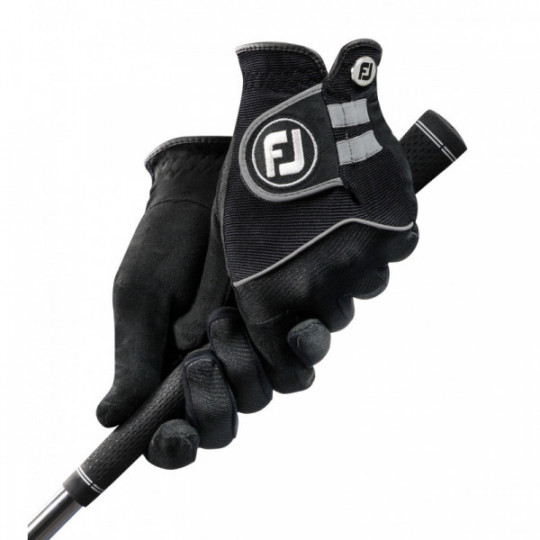
It's a consumable, eventually. Soft toys that get daily use wear. Seams soften, folds loosen. At $17.19, I file that under cost of doing business rather than defect — but go in knowing a replacement is a when, not an if, at this one's workload.

It won't outsmart a nose-work veteran forever. Dogs already advanced on puzzle toys will graduate to the deepest tucks quickly. The scaling is good, but the ceiling is a soft cube, not a tournament bracket. For most dogs — including a very bright field dog — that ceiling is months to years away.

How it compares

vs. the fouFIT Hide 'n Seek Snuffle Ball (its sibling, reviewed on this site): Same brand, same philosophy, different shape of game. The ball's knotted loops hide treats in crevices and it rolls, so the hunt moves around the room — livelier, more chase. The cube sits its ground: six faces of pockets and folds, a stationary, concentrated search. Zibi's verdict is clear — the cube is the favourite, the one that ends the zoomies; the ball is the playful warm-up act. Own one? Own the cube first. Own both? You're set for every energy level.
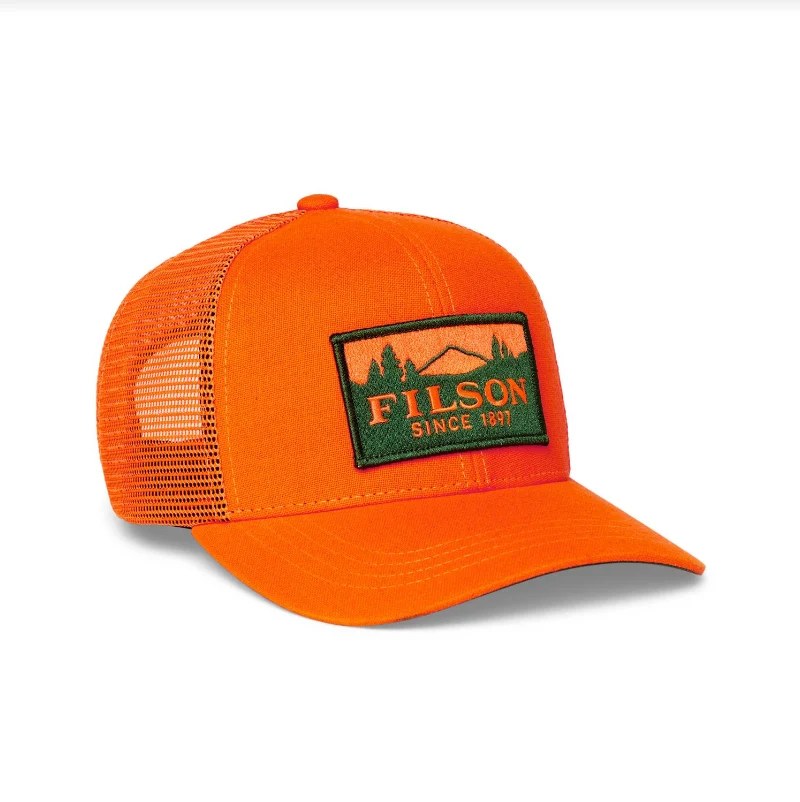
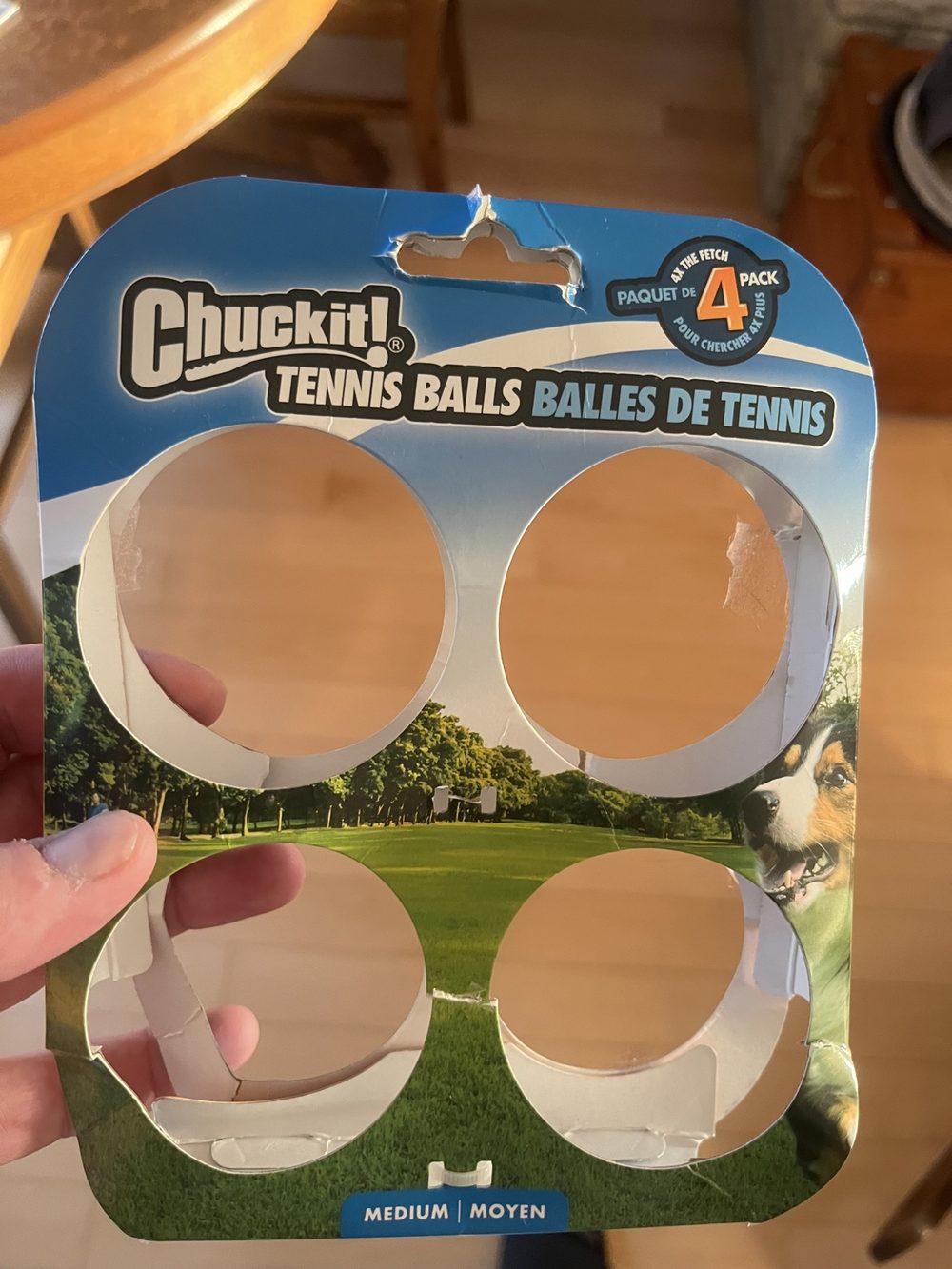
vs. hard puzzle toys like Nina Ottosson / Outward Hound (~$20–30): Those offer harder mechanical problems — sliders, levers, compartments. They're also loud on hard floors, heavier, and some dogs get frustrated instead of focused. The cube is the calming end of the spectrum: nose-led, quiet, forgiving. For winding a dog down, the cube wins. For challenging a dog up on a lazy afternoon, the hard puzzles earn their shelf space.

vs. the KONG Classic (~$15–20): Different jobs entirely. The KONG is the unsupervised-adjacent, near-indestructible stuffer for crate time and solo chewing. The cube is interactive, supervised enrichment. They're complements, not competitors — my drawer holds both, and they come out at different moments for different reasons.

Verdict

Buy it if: your dog's body tires before its brain does — if you know the post-walk zoomies by heart. Load the cube, watch the nose take over, and get your calm evening back. At $17.19, it's the cheapest reliable wind-down I've found, and it's a Canadian brand to boot.

Skip it if: your dog destroys soft toys on contact, or you need enrichment you can leave out unsupervised. This is a session toy, and it asks for ten present minutes from you as part of the deal.

The stat that matters: of everything in the drawer, this is the one she asks for — and the one I reach for. Favourite toy, daily driver, zoomie-ender, seventeen dollars.

My rating: 9/10 — docked half a point for the supervised-only, soft-toy reality every buyer should understand going in, and half because a $17 toy this good makes the rest of the drawer look like poor purchasing decisions.

About

Real gear. Real routines.

Zibi is a 35-pound English field gun dog. Our daily walks are enough to find out quickly whether dog and outdoor gear actually works.

Fairways and Paws reviews products with practical detail: the real cost, the annoying parts, and the reasons something stays in the rotation. Not every item needs to be a winner.

Why trust these reviews?

The perspective comes from experience as a former professional athlete, playing pro and teaching pro, plus more than 16 years in procurement. In plain English: years spent assessing performance, value, and whether claims hold up.

Dog and outdoor gear come first. Golf reviews follow the same standard: useful detail, honest trade-offs, and zero hype.

About Zibi

Zibi is the resident 35-pound English field gun dog who tests the dog and outdoor gear featured here.

Affiliate disclosure

Clear about commissions.

Fairways and Paws uses affiliate links. If you buy something through one of those links, the site may earn a commission at no extra cost to you.

Affiliate status does not change the review. Products can have strengths and drawbacks. Both belong in the write-up.

As an Amazon Associate I earn from qualifying purchases.

The account is subject to Amazon’s standard review after qualifying sales.